


A Bloody Good Travel Companion
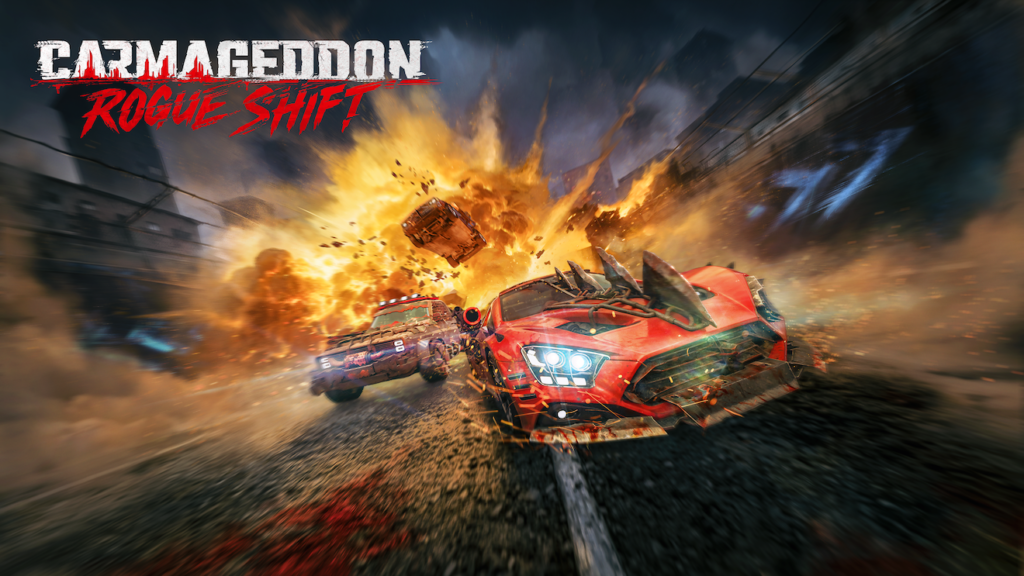
Before I pack my bags for San Francisco later this week, I need to lock in a solid game for the flight. Between the long hours walking the floor at the Game Developers Conference and eventually winding down in my room at the Westin St. Francis, an engaging, pick-up-and-play handheld title is practically mandatory. Seeing that Carmageddon: Rogue Shift recently snagged its official Steam Deck Verified badge, it felt like the perfect candidate for some mindless, hyper-violent stress relief on the go.
Released last month by Italian developer 34BigThings srl (the team behind the blistering Redout series), Rogue Shift revives a dormant 90s IP that built its legacy on controversy. However, instead of delivering a faithful remake of the pedestrian-hunting sandbox of 1997, the studio has taken a hard left turn. They have fused the metal-crunching physics of the original with the run-based, upgrade-stacking loop of a modern roguelite.
Currently sitting at a “Mixed” rating on Steam, it is clear that this genre mashup isn’t for everyone. But if you can look past the title and judge the game on its own bloody merits, there is a surprisingly deep, satisfying gameplay loop buried beneath the wreckage.

The Identity Crisis: Wasted Potential?
To understand the mixed reception, we have to look at the lore. It is the year 2050, and the world is a post-apocalyptic wasteland. Due to a tainted food supplement called “MiVis,” the general population has mutated into “The Wasted”—super-aggressive, zombie-like husks.
For veteran fans of the franchise, this is the first major point of contention. You are no longer running over innocent bystanders or cattle for points; you are exclusively plowing through hordes of mutated monsters. While the visual spectacle of parting a sea of the undead like a blood-soaked Moses is undeniably fun, it lacks the subversive, darkly comedic shock value of the original Carmageddon 2.
The second major shift is the structure. This is no longer an open-world sandbox. It is an arena-based, node-to-node survival gauntlet. You enter “The Carmageddon” in a rust bucket, competing against rival gangs and corrupt police forces (The Enforcers) to win a ticket to the last remaining spaceport.
If you go in expecting a true, old-school Carmageddon sequel, you will likely be disappointed. If you go in expecting a high-speed Hades on wheels, you are going to have a fantastic time.
The Roguelite Loop: Mario Kart Meets Doom
Once you adjust to the new format, the gameplay loop is incredibly addictive. Every campaign run is randomly generated. You select your path across a branching map, choosing between standard races, demolition derbies, and elite boss encounters.
As you smash opponents, drift around corners, and vaporize the Wasted, you earn Credits. You spend these credits at safe haven Shops to repair your chassis, swap out your arsenal (which features 13 weapon classes ranging from shotguns to railguns), and install game-changing perks. With over 80 perks available, the build-crafting gets delightfully chaotic. By the end of a successful 45-minute run, your vehicle can feel like an unstoppable war machine, firing automated lasers while dropping landmines every time you hit the brakes.
But this is a roguelite, meaning death sends you right back to the starting line. Failing a time trial or getting your car totaled by a Boss means your run is over. However, you earn a meta-currency hilariously dubbed “Beatcoins,” which you spend at the Black Market to unlock permanent upgrades and new vehicles for future runs.
The grind for these unlocks, however, can be a slog. Several players have noted that unlocking late-game vehicles like the “Piccolo” requires dozens of hours of repetitive grinding. The campaign itself is relatively short if you have a God-tier run, so the longevity of the game relies entirely on your tolerance for replaying the same event types over and over.
Handling the Rubberband
A racing game lives and dies by its physics, and at launch, Rogue Shift drove like a bathtub full of bricks. Heavy, armored vehicles tended to violently oversteer, leading to many frustrating, run-ending crashes.
Thankfully, 34BigThings has been listening. The recent “Patch 1” (released on February 27) delivered a massive overhaul of the handling model, drastically improving the responsiveness of the game’s 15 FWD, RWD, and AWD vehicles. It still feels heavy—you are driving armor-plated war rigs, not Formula 1 cars—but it is much more predictable now.
Where the gameplay currently falters is the artificial intelligence. The rubberbanding in Rogue Shift is egregiously aggressive. You can completely obliterate an opponent, leaving them smoking in dead last, only for them to magically teleport right to your bumper ten seconds later. Because the game prioritizes car-to-car combat, the AI is programmed to stick to you like glue. It ensures there is always action on screen, but it renders skillful, high-speed driving somewhat irrelevant.
Visuals, Damage, and the Handheld Experience
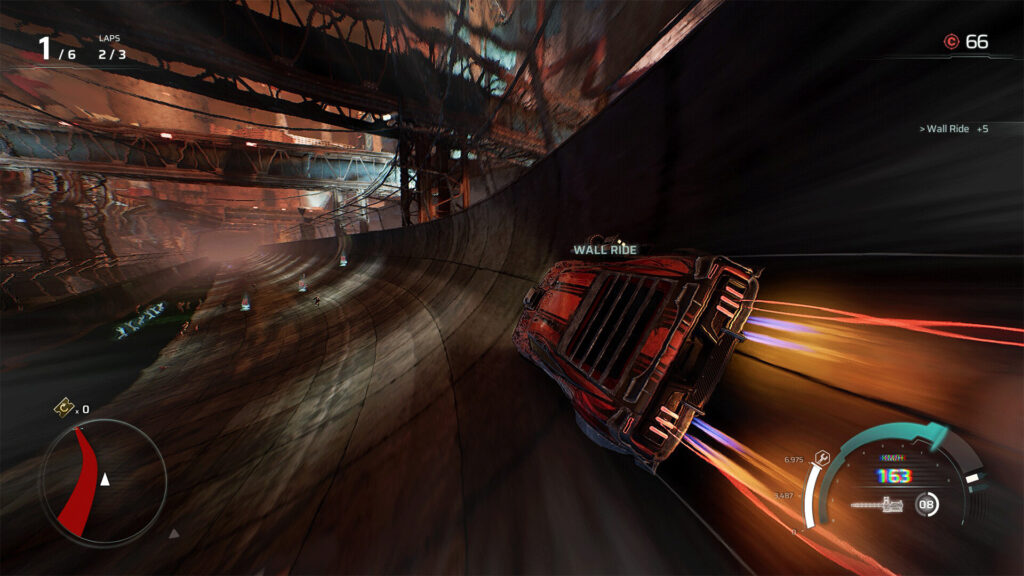
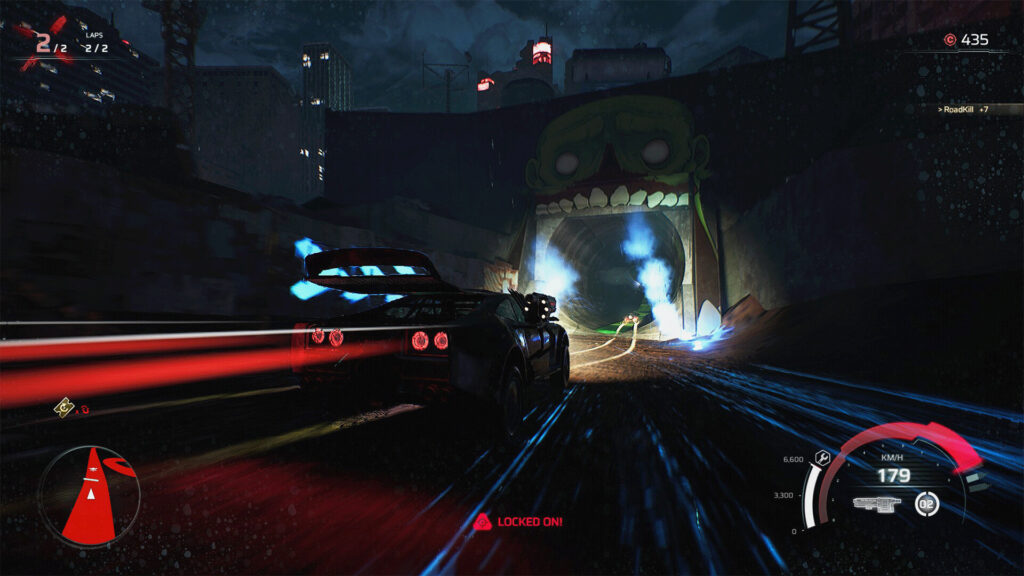
Visually, the game is a feast of destruction. The dynamic weather and day-night cycle radically change the atmosphere of the tracks. Rain slicks the tarmac, forcing you to brake earlier, while the fog hides ambushes from Special Wasteds that shoot at you from a distance.
The soft-body damage model is stellar. Windshields shatter, doors rip off their hinges, and bumpers drag on the asphalt, showering sparks into the night. Even when pushing these chaotic physics to the limit on a high-end desktop, the game runs buttery smooth.
More importantly for my upcoming travel schedule, the optimization scales perfectly down to handhelds. Running the game on the Steam Deck (or an ROG Ally) yields a stable, locked framerate with the settings turned up. The 45-minute run structure is practically tailor-made for a commute or a hotel room gaming session.
The Good, The Bad, & The Wasted
| The Good | The Bad | The Ugly |
| The Roguelite Loop: Crafting wild synergies with 80+ perks and 13 weapon classes is incredibly satisfying. | Rubberband AI: The game artificially rubberbands opponents to you, making pure driving skill feel irrelevant. | The Legacy Burden: Stripping away the pedestrian-hunting sandbox alienates long-time fans of the IP. |
| Visual Destruction: A beautiful soft-body damage model ensures every crash looks and feels brutally impactful. | The Grind: Unlocking late-game cars and permanent upgrades requires a tedious amount of repetitive “Beatcoin” farming. | |
| Steam Deck Verified: Flawless handheld performance makes this the ultimate on-the-go destruction derby. | Repetitive Runs: Despite procedural generation, the small pool of event types gets stale after 15 hours. | |
| Patch 1 Improvements: The developers quickly addressed launch complaints, overhauling the clunky handling model. |

Should You Buy It?
Yes, if: You love action-roguelites like Hades, enjoy vehicular combat games like Twisted Metal or Gas Guzzlers Extreme, and want a great handheld game for your Steam Deck.
No, if: You are expecting a 1:1 remake of the 1997 Carmageddon sandbox, or you despise aggressive rubberbanding AI in racing games.
Recommended for fans of: Wreckfest, Gas Guzzlers Extreme, Hades, Mad Max.
Carmageddon: Rogue Shift: Carmageddon: Rogue Shift is a daring pivot that sacrifices the nostalgic identity of its namesake in exchange for a highly replayable, modern roguelite loop. At $39.99, the asking price feels a bit steep given the repetitive nature of the grind and the aggressive AI rubberbanding. However, the foundation here is incredibly strong. Smashing through a horde of zombies with a fully upgraded, railgun-equipped muscle car is a visceral thrill that few games can match. It may not be the Carmageddon you remember, but it is one hell of a ride. – Flare