


A Sinner’s Salvation
The survival horror renaissance of the 2020s has largely been defined by massive, big-budget remakes. But what happens when an indie studio looks at the DNA of Resident Evil 4 and BioShock, drenches it in twisted Spanish folklore, and forces the player to literally bleed for every bullet they fire?
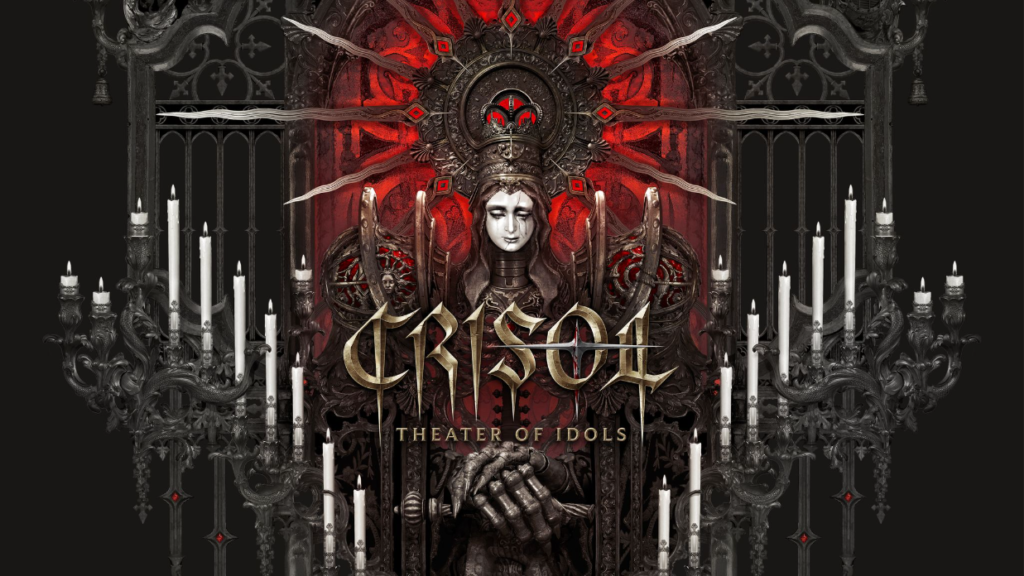
You get Crisol: Theater of Idols.
Developed by Madrid-based Vermila Studios and published under the newly minted Blumhouse Games banner, Crisol arrived on February 10, 2026, to a wave of “Very Positive” user reviews. It is a game that proudly punches far above its AA weight class. For a remarkably low entry fee of $17.99, it offers a 12-hour, narrative-driven campaign set on the haunting, cursed island of Tormentosa. It is a game of religious zealotry, living statues, and agonizing sacrifices. But does its unique core mechanic hold up over a dozen hours, or does the experience eventually bleed out?


Your Blood is Your Ammo
Let’s start with the absolute best thing Crisol brings to the table: its economy. In most survival horror games, health and ammunition are two entirely separate resources that you must desperately scavenge for. Crisol fuses them together.
Playing as Gabriel, a zealot soldier on a divine mission for the Sun God, you are afflicted with a curse that binds your weaponry to your own veins. There are no bullet pickups in Tormentosa. Instead, every time you reload your M556 pistol, sawed-off shotgun, or sniper rifle, Gabriel plunges the weapon’s spiked grip into his own hand, draining his health bar to fill the chamber.
It is a brilliantly stressful system. Do you use your last bit of health to load a shotgun shell to blast the monster in front of you, leaving yourself one hit away from death? Or do you risk getting in close with your tactical combat knife? You must constantly balance life and death, absorbing blood from the corpses of animals and enemies to sustain yourself.
The physical animations accompanying this system are deeply visceral, reinforcing the narrative’s dark, self-flagellating religious undertones. It turns every single trigger pull into a calculated, difficult decision.
The World of Tormentosa: BioShock Meets the Spanish Inquisition
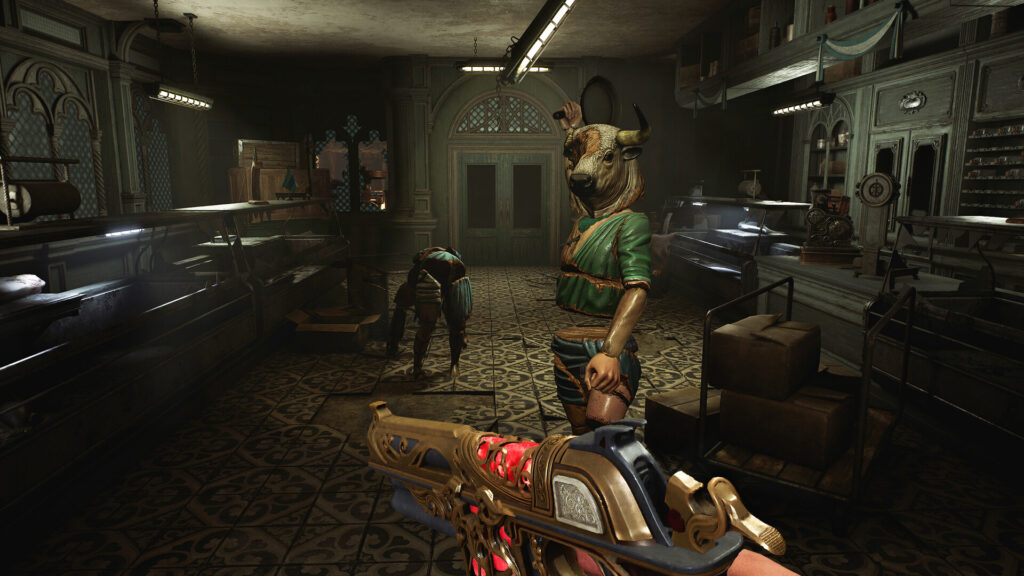
Visually and atmospherically, Vermila Studios has knocked it out of the park. The island of Tormentosa, located in the alternate-reality world of “Hispania,” is a masterclass in gothic, seaside dread.
The architecture evokes the timeless splendor of ancient Spanish cities, twisted into a macabre nightmare. You will explore crumbling cathedrals, neon-lit red-light districts, and labyrinthine carnival grounds. The environmental storytelling is exceptional; you can feel the oppressive weight of the war between the cults of the Sun and the Sea God in every room.
Your primary enemies are not zombies or mutants, but living statues. They shamble toward you with rigid, terrifying, inhuman movements. The gore system here is incredibly satisfying—you can blow a statue in half with a shotgun, only to watch its severed legs continue to blindly kick their way toward you.
When you need a breather, you will retreat to safe rooms to visit La Plañidera, the game’s wonderfully campy merchant who rivals Resident Evil Village’s Duke in sheer screen presence.
Running from Dolores
It wouldn’t be a modern survival horror game without an unkillable stalker enemy, and Crisol introduces a terrifying one: Dolores.
An amalgamation of stone, metal, and flesh, Dolores wields a massive anchor and actively hunts Gabriel through specific segments of the game. When she first appears, the tension is suffocating. You are forced to rely on stealth, listening for her heavy, metallic footsteps and avoiding her line of sight.
However, much like the combat itself, Dolores loses some of her teeth as the game progresses. The stealth sections are surprisingly forgiving, and if you simply avoid sprinting or firing your weapon, she is relatively easy to bypass. What starts as pure terror eventually devolves into a slight annoyance when you just want to solve a puzzle in peace.
Corny Companions and Yellow Paint
While Crisol excels in atmosphere, it stumbles significantly in its writing and hand-holding.
Gabriel is accompanied by a secondary character named Mediodia, who acts as the game’s primary exposition dump and comic relief. In a game this dark and brooding, her relentlessly upbeat, almost anime-esque delivery feels entirely out of place. (A highly recommended pro-tip from the community: Switch the game’s audio track to Spanish. The native Spanish voice acting is phenomenal, deeply dramatic, and completely fixes the awkward, jarring tone of the English dub.
The game also suffers from a severe lack of trust in the player’s intelligence. Despite featuring some genuinely brilliant logic puzzles (the stained-glass and wine-bottle riddles are highlights), the developers have slathered bright, neon-yellow paint on nearly every interactable ledge, door, and object. In a world this meticulously crafted, the excessive yellow paint shatters the immersion and makes the exploration feel far too guided.
Finally, the difficulty curve flattens out entirely too early. Once you unlock a few weapon upgrades and increase your health pool, the brilliant tension of the “blood-for-bullets” mechanic largely disappears. Even on higher difficulties, the game provides you with far too many healing opportunities in the back half of the campaign, reducing the survival horror to a standard, somewhat repetitive action shooter.
The Good, The Bad, & The Bloody
| The Good | The Bad | The Ugly |
| The Blood Mechanic: Tying your ammo pool directly to your health bar creates brilliant, agonizing combat decisions. | Tone Clashes: The English voice acting (specifically Mediodia) feels totally out of place in a dark horror game. | Yellow Paint: The egregious use of yellow paint to mark every single path completely undermines the organic exploration. |
| Art Direction: Tormentosa is a gorgeous, haunting, and incredibly unique setting steeped in Spanish folklore. | Difficulty Curve: Late-game upgrades provide too much healing, completely neutering the tension of the blood mechanic. | |
| The Price: $17.99 for a highly polished, 12-to-15-hour survival horror campaign is a masterclass in value. | Repetitive Combat: You fight the same basic statue enemies using the exact same tactics for the vast majority of the game. | |
| Enemy Dismemberment: Blowing the arms and heads off of stone statues is endlessly satisfying. |

Should You Buy It?
Yes, if: You love the level design of BioShock, the pacing of Resident Evil Village, and want a highly atmospheric, story-driven horror game that won’t break the bank.
No, if: You expect deeply complex, fast-paced Doom-style combat, or if you absolutely despise stealth-based “stalker” enemies chasing you around.
Recommended for fans of: Resident Evil 4, BioShock, Amnesia: The Bunker, Tormented Souls.
Crisol: Theater of Idols: Crisol: Theater of Idols is an imperfect but incredibly passionate piece of indie horror. It wears its influences proudly on its sleeve while introducing one of the most mechanically fascinating reloading systems the genre has seen in years. Yes, the English voice acting can be grating, the yellow paint is obnoxious, and the late-game combat becomes a bit too easy. But the sheer creativity of the world-building, the haunting enemy designs, and the phenomenal art direction make this an absolute must-play. At $17.99, it provides an unbeatable value that puts many full-priced AAA horror titles to shame. – Obsidian