


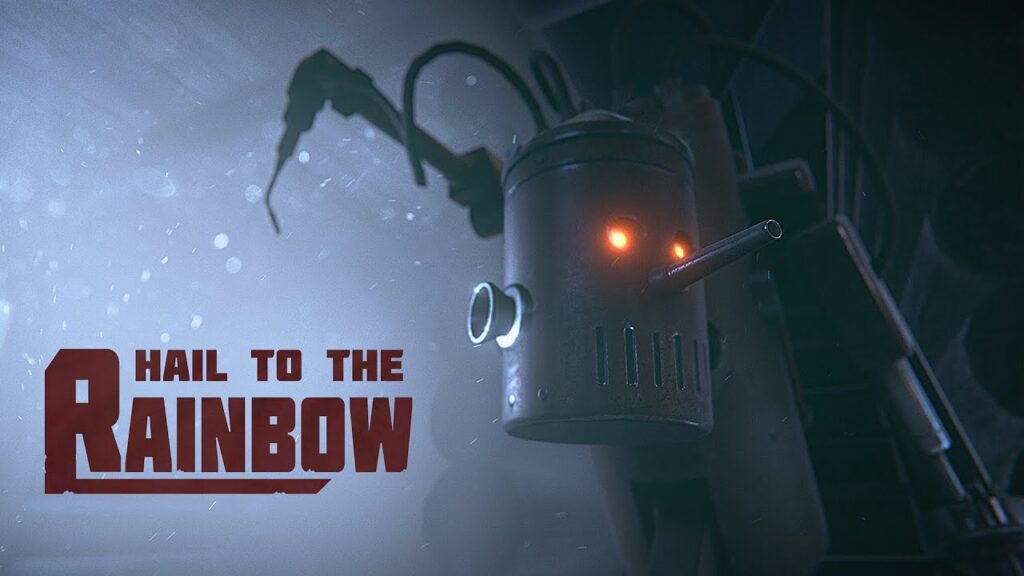
There is a specific sub-genre of gaming that I like to call “Slav-jank.” It isn’t an insult; instead, it’s a term of endearment for games from Eastern Europe that prioritize thick, suffocating atmosphere and deep storytelling over the polished, focus-tested smoothness of Western AAA titles. Think S.T.A.L.K.E.R., Metro, or Atomic Heart.
Hail to the Rainbow, the latest project from solo developer Sergey Noskov, fits squarely into this lineage. It is a game that feels like a forgotten memory of Half-Life 2, remixed with the neon-soaked melancholy of Blade Runner and set against the backdrop of a frozen, post-apocalyptic Russia. It is clunky, sometimes frustrating, and undeniably one of the most captivating indie experiences of 2025.

The Loneliness of Ignat
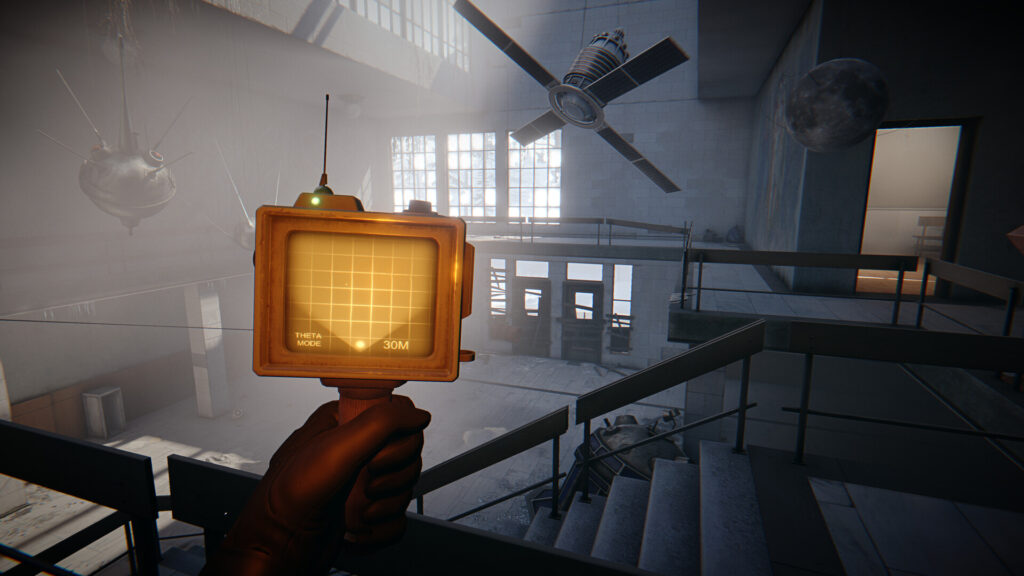
The story follows Ignat, a young man surviving alone in a world that has moved on. The setting is a fascinating blend of “post-apocalyptic cyberpunk”—think crumbling Soviet brutalism patched together with high-tech scrap and flickering holograms. Ignat’s life is a routine of survival until a mysterious email arrives, shattering his isolation and sending him on a journey into the unknown.
Noskov, known for previous atmospheric hits like 35MM and The Light, excels at “show, don’t tell” storytelling. The narrative here is a slow burn, exploring themes of memory, moral torment, and the quiet dignity of living in a broken world. It’s a game that asks you to slow down and soak in the details: the way the snow crunches underfoot, the hum of a lonely drone, the flickering light of a campfire in an abandoned apartment block.
Half-Life 2 Meets Simon Stålenhag
Visually, Hail to the Rainbow is a marvel, especially considering it was built by a single person. The art direction leans heavily into a “retro-futuristic” aesthetic that recalls Simon Stålenhag’s work. You’ll traverse snowy forests, explore decaying industrial complexes, and navigate flooded tunnels, all rendered with a level of fidelity that punches well above its indie weight class.
The atmosphere is arguably the game’s strongest asset. As one Steam reviewer noted, it nails that “Soviet architecture feel while giving a Simon Stålenhag-inspired scifi makeover”. The sound design complements this perfectly, with an “atmospheric soundtrack” that ranges from haunting ambient tracks to guitar-heavy pieces inspired by Russian rock legend Viktor Tsoi.
Gameplay: A Mixed Bag of Bolts
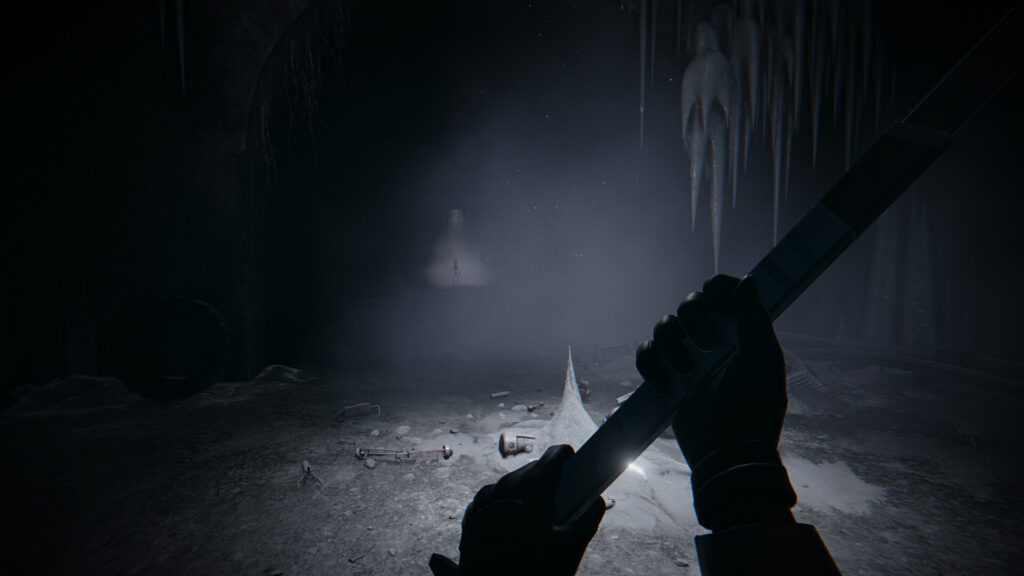
If the atmosphere is the hook, the gameplay is the jagged line you sometimes get snagged on. Hail to the Rainbow describes itself as an adventure game with “horror and shooter elements,” but it plays more like an interactive cinema piece interspersed with puzzles and combat.
When you are exploring, solving “logical technical challenges,” or using your drone to scout ahead, the game feels great. The pacing is deliberate, encouraging you to scavenge for resources and upgrade your inventory.
However, when the guns come out, the “indie” budget shows. Combat is often described as “stiff” and “janky”. The weapons’ feedback lacks the punch of a dedicated shooter, and the enemy AI can be simplistic. It’s functional, but it’s clearly not the focus.
The vehicle sections are another point of contention. While they add variety, the physics can be maddening. The “Silent Pines” level, which involves navigating a boat, has been singled out by players as a frustration point because the boat’s physics cause it to flip easily. It’s a classic “Half-Life 2 vehicle section” problem—ambitious, immersive, but mechanically annoying.
The Solo Dev Miracle
Despite its flaws, it is impossible to play Hail to the Rainbow without a sense of awe. This is the work of one man. Sergey Noskov has handled the coding, art, story, and design. The sheer scope of the game—from the detailed environments to the fully voiced cutscenes (albeit with some AI assistance for voice acting)—is a testament to his talent.
Players have embraced this, forgiving the rough edges in favor of the “soul” the game possesses. As one review put it: “Overall, brilliant and so impressive that it’s the work of a single developer”.
Pros & Cons
| Pros | Cons |
| ✅ Incredible Atmosphere: A masterclass in mood, blending cyberpunk and post-Soviet decay perfectly. | ❌ Clunky Combat: Gunplay feels stiff and lacks the polish of a dedicated shooter. |
| ✅ Visuals: Stunning art direction that looks like a high-budget title. | ❌ Frustrating Vehicles: The boat physics in later levels can be a rage-inducing obstacle. |
| ✅ Storytelling: An emotional, intriguing narrative that rewards patience. | ❌ Vague Puzzles: Some puzzles lack clear direction, leading to tedious trial-and-error. |
| ✅ Value: A 10+ hour experience for $14.99 is a steal for this level of quality. | ❌ Empty World: Some large environments can feel barren and lacking in interactivity. |

Hail to the Rainbow: Hail to the Rainbow is a rough diamond. It has the heart of a AAA blockbuster beating inside the chest of a budget indie title. If you can look past the janky shooting and the occasional physics freak-out, you will find a deeply immersive, hauntingly beautiful journey that sticks with you long after the credits roll. For fans of Half-Life, Metro, or anyone who just likes to wander through the snow thinking about the end of the world, this is a must-play. – Obsidian