
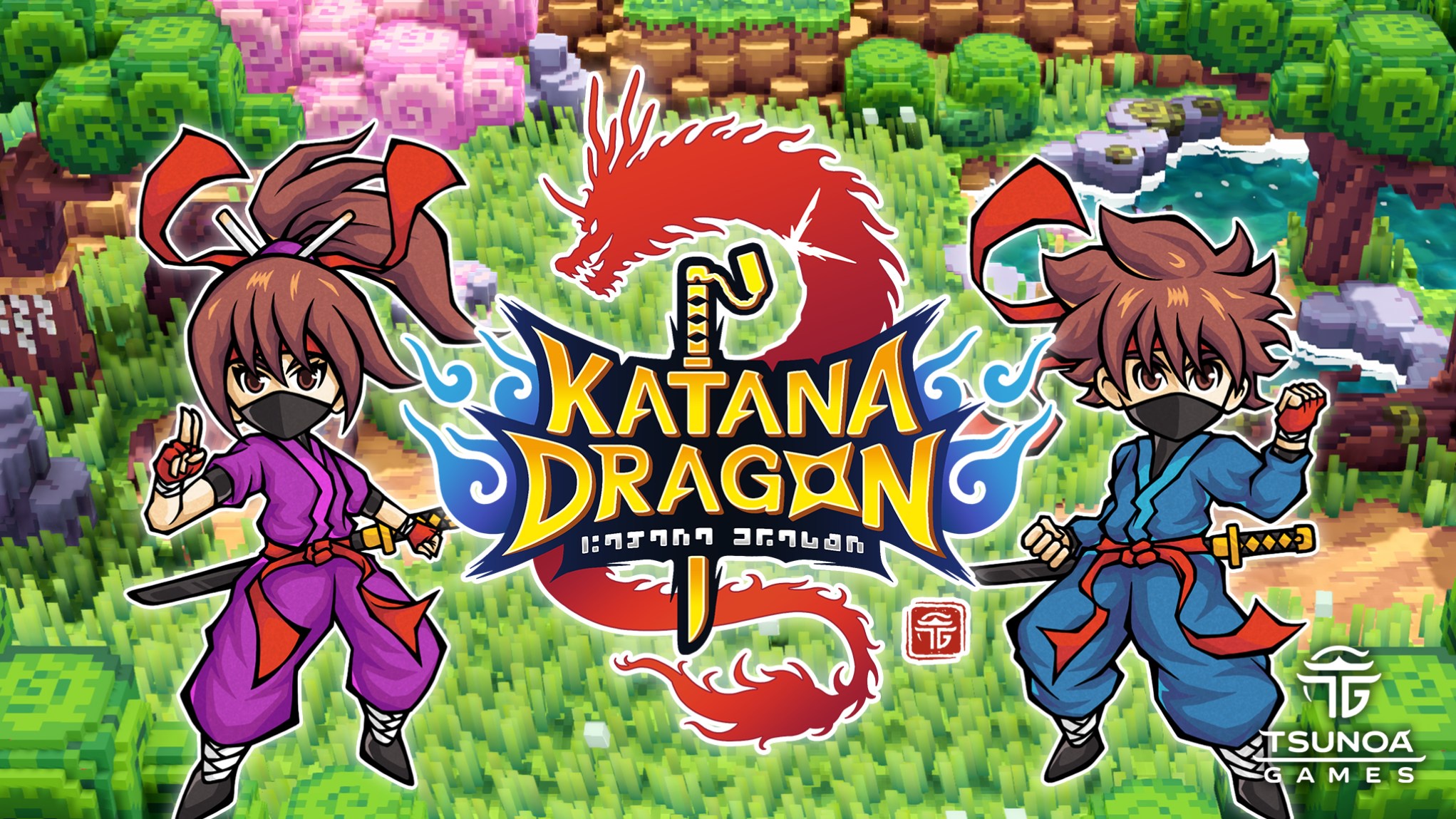
A Ninja’s Journey Begins in Voxel Form
Every so often, an indie game slips onto the Steam storefront with little fanfare but an undeniable sense of charm. Katana Dragon: Chapter 1, developed by the Spanish indie studio Tsunoa Games, is exactly that kind of hidden gem.
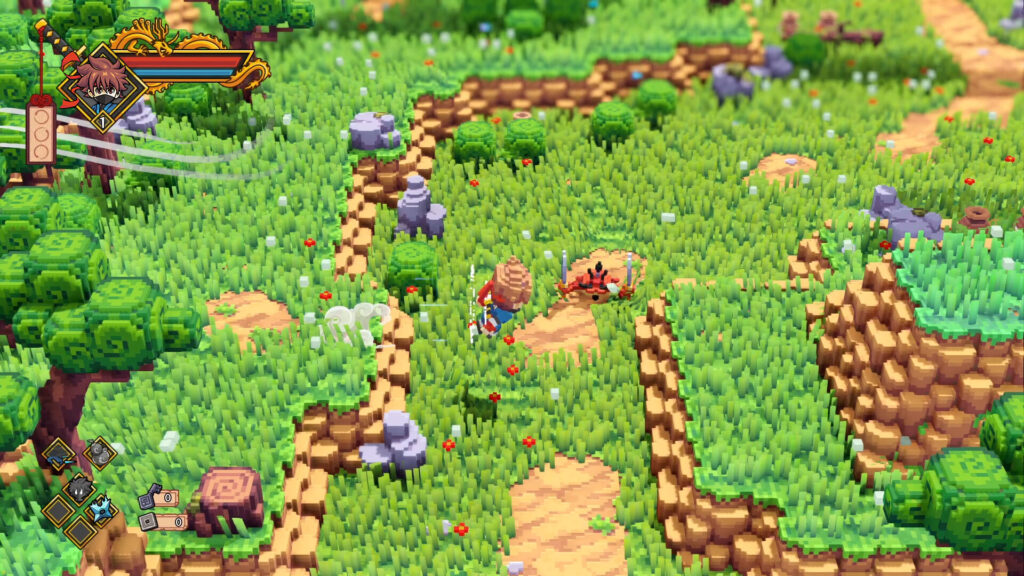
At first glance, it looks like Minecraft Dungeons crossed with 3D Dot Game Heroes. But dig a little deeper, and you will find a love letter to the classic top-down Legend of Zelda games (think A Link to the Past or Minish Cap), entirely constructed from beautiful, handcrafted voxel art.
Graduating from its Early Access period on January 30, 2026, Katana Dragon offers a polished, focused slice of action-RPG goodness. However, it comes with a significant caveat right in its title: this is only the first chapter. Is a $10 down payment on an episodic adventure worth your time? If you value clever puzzles, cozy exploration, and tight controls, the answer is a resounding yes.
Sogen Under Siege
The setup for Katana Dragon is comforting in its familiarity. The world of Sogen was once peaceful until a massive, evil dragon threatened to burn it all down. A millennium ago, monks sealed the beast away, eventually forging a weapon from its prison to destroy it entirely. Now, shards of that weapon are scattered across the land.
Enter our protagonists: the twin ninja novices, Shin and Nobi. After a routine cave exploration goes wrong and turns their entire village into ghosts, the siblings must set out to gather the shards, break the curse, and save Sogen.
At the start, you choose whether to play as Shin (male) or Nobi (female). The choice is purely cosmetic; both ninjas share the exact same moveset, and the sibling you don’t pick stays behind as an NPC you can swap with later.
Puzzles, Pits, and Paella
The core of Katana Dragon is split evenly between overworld exploration and dungeon crawling.
Exploration and Voxel Beauty:
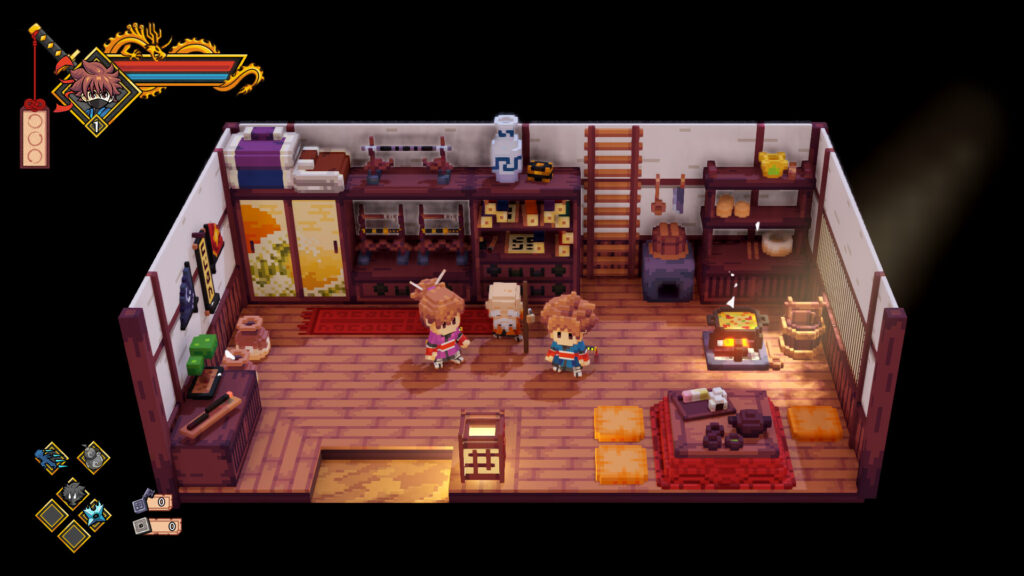
The world of Sogen is stunning. Tsunoa Games used MagicaVoxel to build the environments, resulting in a vibrant, colorful world that feels like a diorama you can play with. The developers have also hidden delightful nods to their Spanish heritage throughout the world—don’t be surprised if you find paella, flamenco fans, or NPCs tilting at windmills.
While the overworld paths are relatively linear, they are packed with secrets. You will be constantly looking for suspicious chasms, oddly placed stones, or hidden switches that reveal treasure chests. These chests usually contain cosmetic items—kimonos, samurai helmets, masks—allowing you to customize your ninja to your heart’s content.
Dungeon Crawling:
The dungeons are where the game truly shines. They follow the classic Zelda formula: enter a dungeon, solve block-pushing puzzles, find keys, learn a new ability, and use that ability to defeat the boss.
The abilities you acquire—such as creating a shadow clone to hold down pressure plates or throwing shurikens to hit distant switches—are integrated cleverly into the level design. The puzzles strike a great balance; they are rarely head-scratchers that will stall your progress, but they require enough spatial awareness to make you feel smart when you solve them.
Simple but Satisfying (With a Catch)
Combat in Katana Dragon is straightforward. You have a basic attack string, a dodge dash, and a healing gourd that uses “Ki” (which slowly regenerates over time or through a vulnerable meditation stance).
You fight “Gokais”—creatures ranging from aggressive slimes to fire-breathing brutes. Defeating them yields experience orbs. Leveling up increases your base stats, but the real customization comes from the Dragon Gems and Cursed Seals.
Gems drop from enemies and can be slotted into your weapon to boost health, ki, attack, or defense. Seals offer more complex trade-offs, like granting health regeneration but lowering your overall defense.
However, the combat does have its flaws. It can feel a bit “mashy,” lacking the deep combo systems of modern action games. Furthermore, flying enemies are incredibly annoying, as you often have to wait for them to swoop down into your melee range before you can retaliate.
A note on controls: While keyboard and mouse are supported, this game was built for a gamepad. Playing on an Xbox controller or the Steam Deck is highly recommended.
The Elephant in the Room: “Chapter 1”
The most common criticism of Katana Dragon isn’t about its gameplay; it is about its structure.
The game will take most players roughly 3 to 5 hours to complete. After finishing the major “Wind Dungeon” and defeating its boss, the game simply ends. The credits roll, and you are informed that the story will continue in the next chapter.
Because the game recently dropped its “Early Access” tag on Steam, some players might buy it expecting a complete, 20-hour RPG. The title Katana Dragon: Chapter 1 is accurate, but the episodic release strategy might leave you feeling like you just ate an incredible appetizer and the waiter took the menu away.
Furthermore, systems like the “Cursed Seals” feel underutilized in this first chapter, as you rarely find enough of them to truly experiment with different builds before the credits roll. There is also a noticeable lack of Steam Achievements, which is a bummer for completionists who love hunting down every hidden voxel chest.
The Good, The Bad, & The Voxel
| The Good | The Bad | The Ugly |
| Visuals: The handcrafted voxel art is stunning, colorful, and runs incredibly smooth on all hardware. | Length: The game abruptly ends after 3-5 hours when the first major dungeon is cleared. | Keyboard Controls: Playing this with a mouse and keyboard is painful; a controller is basically mandatory. |
| Puzzles: Classic, satisfying dungeon design reminiscent of older Zelda titles. | Combat Depth: Battles can feel a bit button-mashy, and flying enemies are tedious to fight. | |
| Steam Deck: Plays perfectly on handhelds, making it a great cozy couch game. | Underbaked Systems: Mechanics like the Cursed Seals don’t get enough screen time before the chapter ends. | |
| Customization: A surprising amount of cosmetic outfits and hats to find and equip. | No Achievements: A missed opportunity for a game with so many hidden chests. |
Should You Buy It?
Yes, if: You miss the top-down dungeon crawling of A Link to the Past, you love voxel art aesthetics, and you want a short, polished game for your Steam Deck.
No, if: You despise episodic gaming, you want a 40-hour sprawling RPG, or you demand deep, Dark Souls-level combat mechanics.
Recommended for fans of: 3D Dot Game Heroes, Minecraft Dungeons, The Legend of Zelda: Link’s Awakening, Tunic.
Katana Dragon: Chapter 1: Katana Dragon: Chapter 1 is a bite-sized delight. It doesn't reinvent the action-RPG wheel, but it polishes it to a mirror shine and wraps it in a gorgeous voxel aesthetic. The puzzles are fun, the exploration is rewarding, and it runs flawlessly on the Steam Deck. If you are willing to accept that you are buying the first installment of a larger, episodic story for $9.99, you will find a lot to love here. Tsunoa Games has built a fantastic foundation; now we just have to wait for them to finish the castle. – Obsidian