


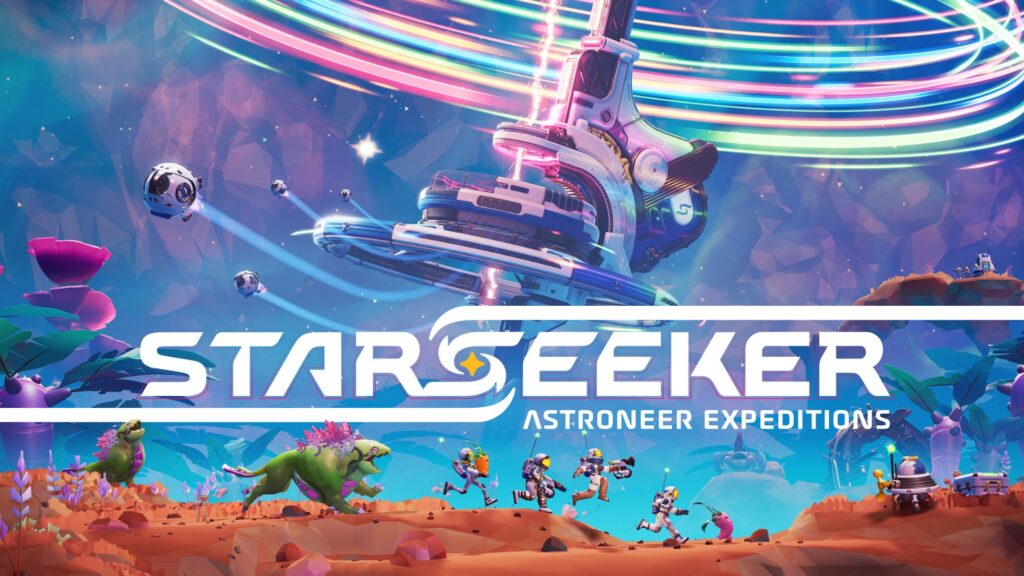
STARSEEKER: Astroneer Expeditions is not Astroneer 2. The community keeps saying this and it deserves to be the first thing established in any review. System Era Softworks has built something deliberately and fundamentally different from their 2016 open-world sandbox: a cooperative, timed-expedition structure that puts a crew of players on a space station orbiting alien planets, dropping to the surface for 30-minute runs to complete objectives before the station moves on. The Astroneer DNA is present in the art direction, the world feel, the movement, and the audio. But the game underneath is closer to a mission-based co-op action game with extraction-adjacent mechanics than it is to the freeform base-building of its predecessor.
That distinction is what’s driving the Mixed score. Players expecting Astroneer 2 — with its base-building loop and leisurely open-world exploration — are encountering a fundamentally different design. Players who go in understanding what STARSEEKER is trying to do are consistently reporting having a genuinely good time with it, especially in co-op. At $29.99 in Early Access, the expectation-setting matters more than usual.

The Expedition Loop
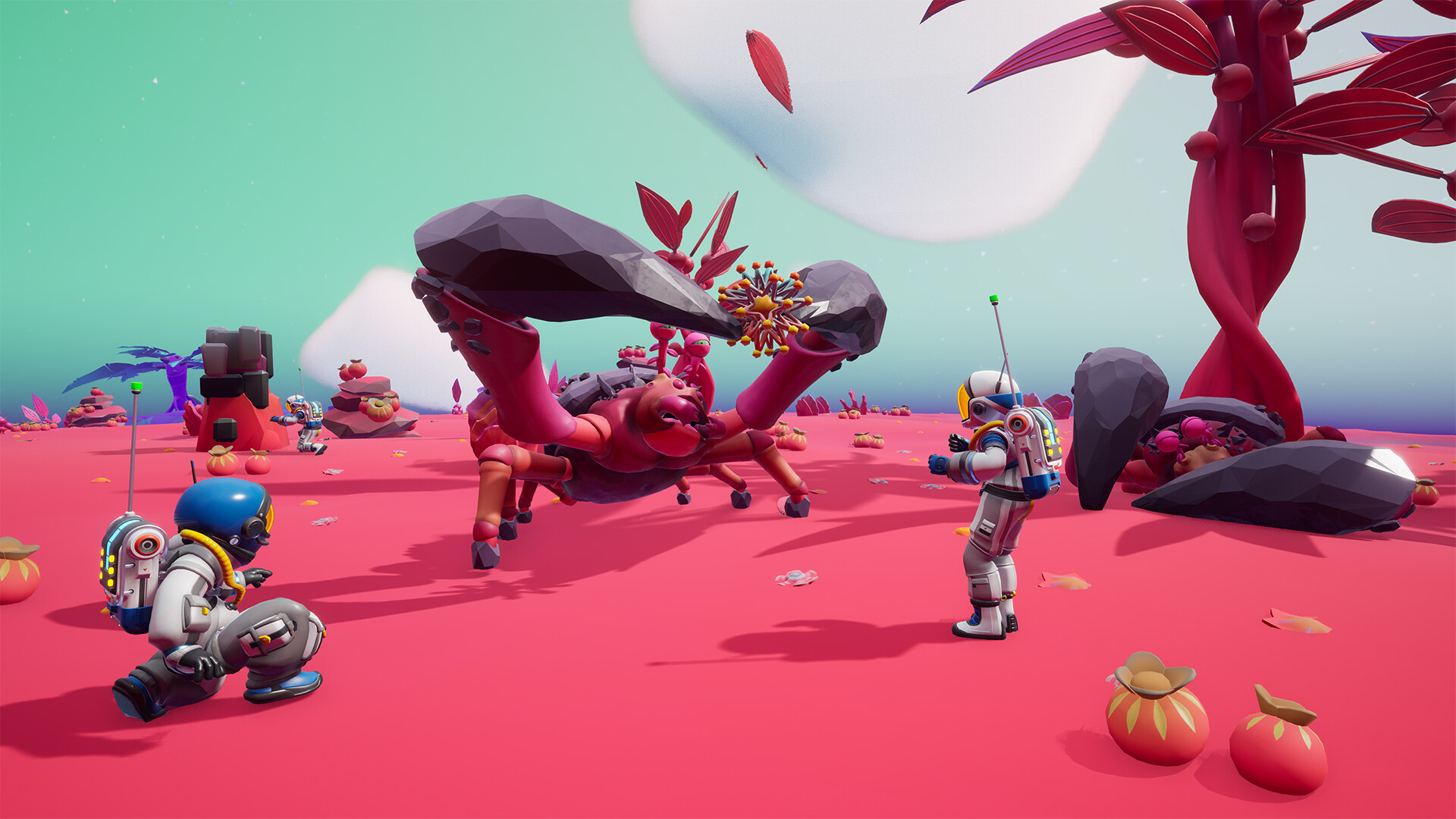
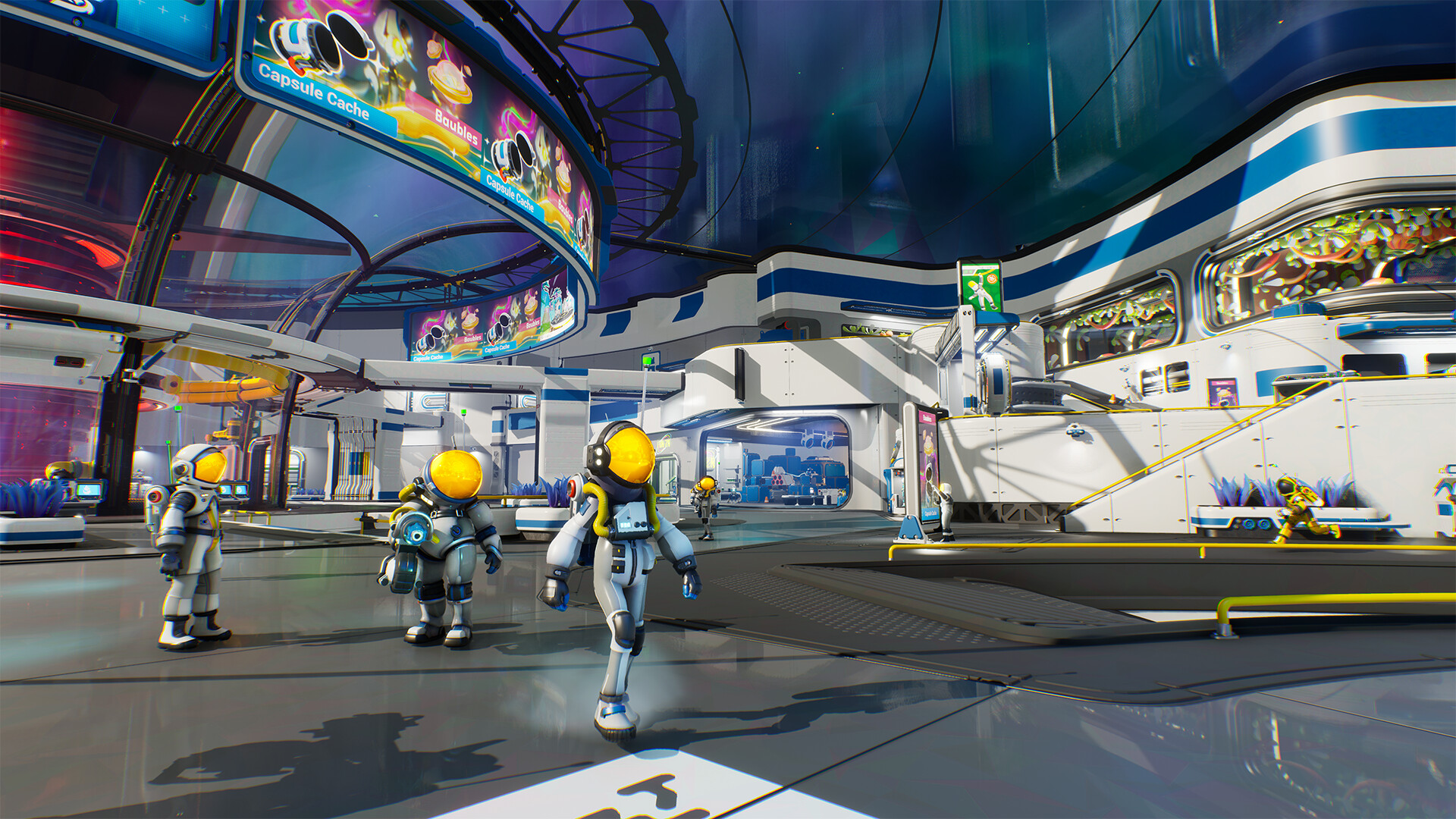
The core of STARSEEKER is the Expedition: your squad deploys from the ESS Starseeker space station to the surface of a planet — currently the wetland-and-jungle world Tephra — with a 30-minute timer and a set of objectives to complete. You gather resources, complete missions, engage with creatures and hazards, discover points of interest, and extract before the clock runs out. What you bring back goes toward crafting better gear and unlocking new blueprints back on the station, which in turn lets you tackle more dangerous Expeditions in deeper Regions of the planet.
The 30-minute timer is genuinely well-calibrated — it creates enough pressure to keep the experience focused without feeling punishing. The community broadly agrees that you can accomplish a meaningful amount in a single drop, and the constraint is a feature rather than a frustration. What the timer does do is eliminate the kind of leisurely base-building that Astroneer players might be expecting. STARSEEKER’s satisfaction comes from execution and cooperation within a time window, not from the cumulative construction of a permanent presence on a world.

The Co-op Experience — Where the Game Finds Itself
STARSEEKER’s best version of itself is four players working together on a planet, improvising solutions to objectives using the limited communication tools available. The game has no text chat — instead it offers a set of emotes, gestures, and map markers. That constraint, which sounds like a limitation, turns out to be one of the game’s most distinctive qualities. Without the ability to post harmful content, every interaction defaults to cooperation. Players figure out how to signal intent through emotes and markers, and the resulting teamwork has a genuine warmth to it that games with full chat systems rarely achieve. Players are reporting genuinely memorable moments — helping a stranger carry a cartographic device to the highest peak of a cliff, working out a route together without a shared language, the specific texture of human cooperation under light constraint.
Solo play is functional and some players are enjoying it on its own terms, but the community consensus is consistent: in groups it becomes something entirely different. The game is designed around shared effort toward collective goals, and playing it alone removes the layer that makes its mechanics most meaningful. STARSEEKER in co-op is an extraordinary experience. STARSEEKER solo is an ordinary one.
The Progression Problem
The most consistent substantive complaint in the current community isn’t the game concept — it’s the progression curve. Reputation and gear unlock rates are slow relative to the amount of time required, and the materials gathered on Expeditions feed into a crafting system that doesn’t yet have enough endpoints to justify the grind. The comparison to the original Astroneer is sharpest here: Astroneer’s crafting loop produced visible, satisfying results you could look at and show other players. STARSEEKER’s current material economy is more functional than expressive, and the community is pointing to this gap as the central design challenge for the Early Access updates ahead.
The high-five emote costing 1,500 credits is a specific and much-discussed example of the progression pacing problem — a social expression basic enough that it should be available early, priced at a level that makes it a significant grind target. It’s a small thing individually but symptomatic of a broader calibration issue that System Era needs to address in the coming updates.
The Roadmap
Early Access Update Plan — Active Development, Subject to Change
The roadmap is where STARSEEKER’s future gets interesting. New Regions, sandbox weather mechanics, expedition modifiers, endgame content, and additional story missions are all committed for the ~1 year Early Access campaign. Update 01 is already live with The Tangle region. The progression speed issue will likely need to be addressed before endgame content becomes meaningful, but the pipeline of content additions is substantial and System Era has a strong community development track record from Astroneer’s own EA period.


The Good, The Bad, & The Ugly
| The Good | The Bad | The Ugly |
|---|---|---|
| Co-op Is ExceptionalThe emote-and-marker communication system sounds limiting and turns out to be one of the game’s strongest design choices. Players are forming genuine memories of cooperative moments with strangers that few games with full chat systems can match. | Progression Is Too SlowGear unlock rates and reputation grind are out of step with the game’s current content. Materials don’t feel like they’re building toward something satisfying enough at the current pace. The high-five emote at 1,500 credits is the community’s shorthand for this problem. | “It’s Not Astroneer 2” Expectation GapThe Mixed score is partially a mismatch between what players expected and what the game is. STARSEEKER is deliberately and structurally a different game. This won’t change, but better communication at the point of purchase would help. |
| Astroneer DNA IntactThe movement, audio, art direction, and moment-to-moment world feel are unmistakably System Era. Players who loved Astroneer’s visual language and tactile exploration are finding it well-preserved here in a new context. | Progression Lacks Expressive EndpointsIn Astroneer, materials became bases, vehicles, and structures you could look at with satisfaction. In STARSEEKER currently, materials become gear upgrades. The crafting loop needs more visible, shareable payoff to feel worth the grind. | Terrain Visual Style DivisivenessA portion of the community finds the planet terrain too rough and clay-like compared to Astroneer’s cleaner look. Not a universal complaint but consistent enough to be worth flagging — and a potential Early Access iteration target. |
| The 30-Minute Timer WorksThe community broadly agrees the expedition window is well-calibrated. It creates enough pressure to make cooperation meaningful and keep runs focused, without tipping into frustration. The oxygen mechanic hits the same sweet spot. | Solo Mode Is Just OkayFunctional, occasionally enjoyable, but fundamentally missing the game’s main point. At $29.99, solo players who can’t guarantee they’ll play with others regularly aren’t getting full value. |
The Verdict
Astroneer’s cooperative exploration perfectly captures the thrill of discovering alien worlds with friends while managing limited time before departure. That’s the TBB Curator blurb, and it holds up — STARSEEKER’s best moments are genuinely difficult to find anywhere else. The specific texture of working with strangers using only emotes and map markers to carry something heavy up a cliff, or to coordinate a multi-person objective without shared language, is something the game earns and that players are reporting as legitimately memorable.
The Mixed score reflects real problems — the progression is slow, the comparison to Astroneer’s more expressive crafting loop is unflattering, and the $29.99 price point is steep for a game in this state. But it also reflects expectation mismatches that aren’t the game’s fault. STARSEEKER isn’t trying to be Astroneer 2. It’s trying to be something different: a cooperative, timed, mission-driven exploration game that happens to be set in the Astroneer universe and built by the same team.
The Early Access roadmap is substantial and the studio has a proven track record of delivering on community-driven development. If the progression curve is addressed, the co-op foundations here are strong enough to build something genuinely special on. As of launch, it’s a good game with a great co-op experience that’s hobbled by pacing problems and price sensitivity. Worth watching — and worth buying if you have friends to play it with and patience for a studio improving it in real time.
For more game reviews, check out our full reviews section.