



Burden Street Station is the kind of small game that gets quietly lost in a busy release window — and the kind that you’re still thinking about three days after you finish it. Developed solo by IODINE, an Irish musician who started making games as a vehicle for their music before the vehicle grew its own ambitions, and published by CRITICAL REFLEX, this surreal narrative adventure about a missing God and a book without a story is one of the most quietly affecting games of 2026. It knows exactly what it is and what it wants to say, and it says it in a voice that belongs entirely to itself.
At $14.99 for a 3-4 hour experience, it sits in a space where value judgements get complicated. What’s here is not a lot of content by volume. What’s here is a lot of craft, a distinctive artistic vision, and an emotional honesty about creativity, grief, and what it means to be something that wants to have a story of its own. Some people will bounce off it completely. Others will cry. Player reactions so far suggest it’s mostly the latter.

Burden Street Station — What Kind of Game Is This?
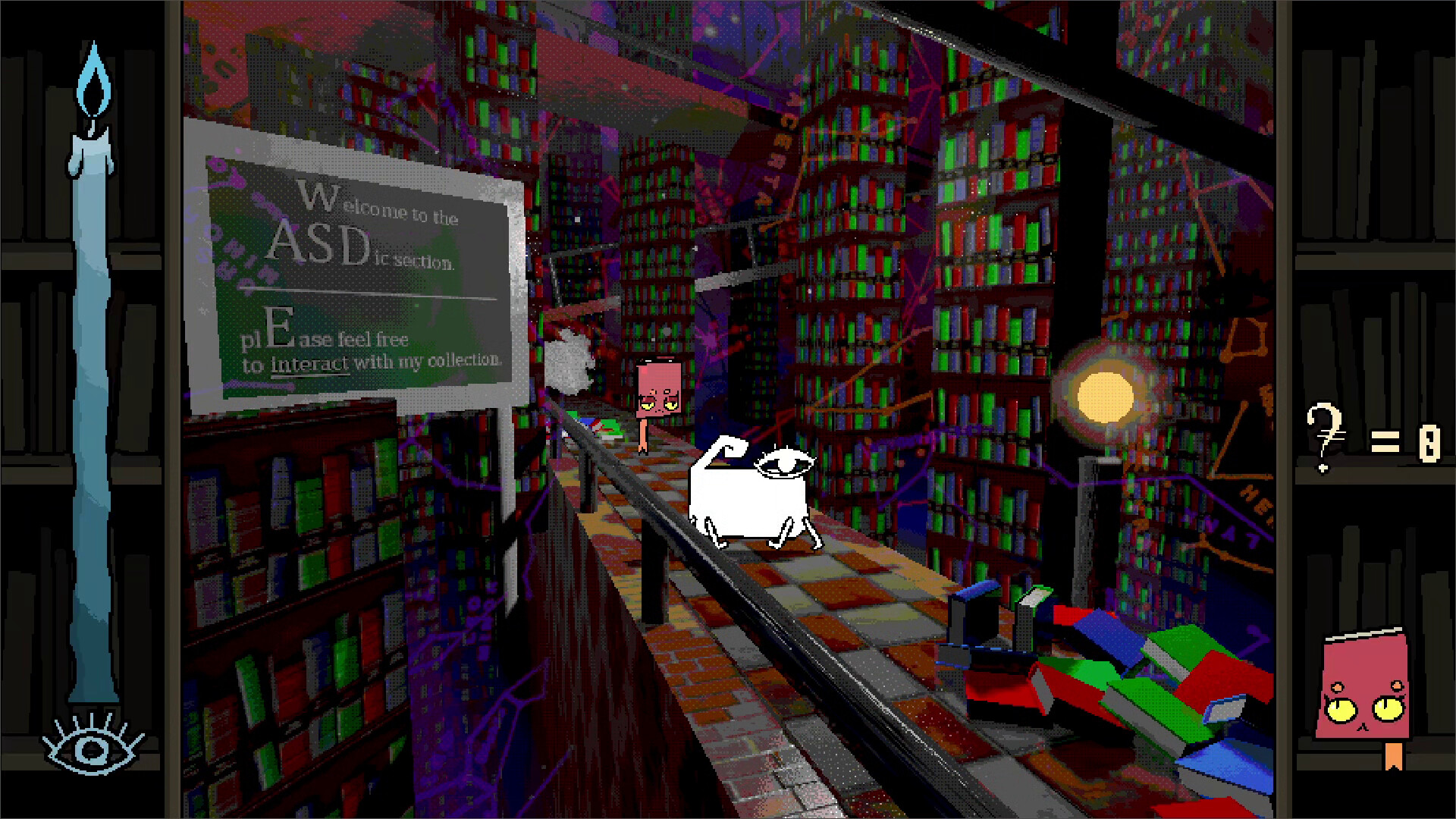
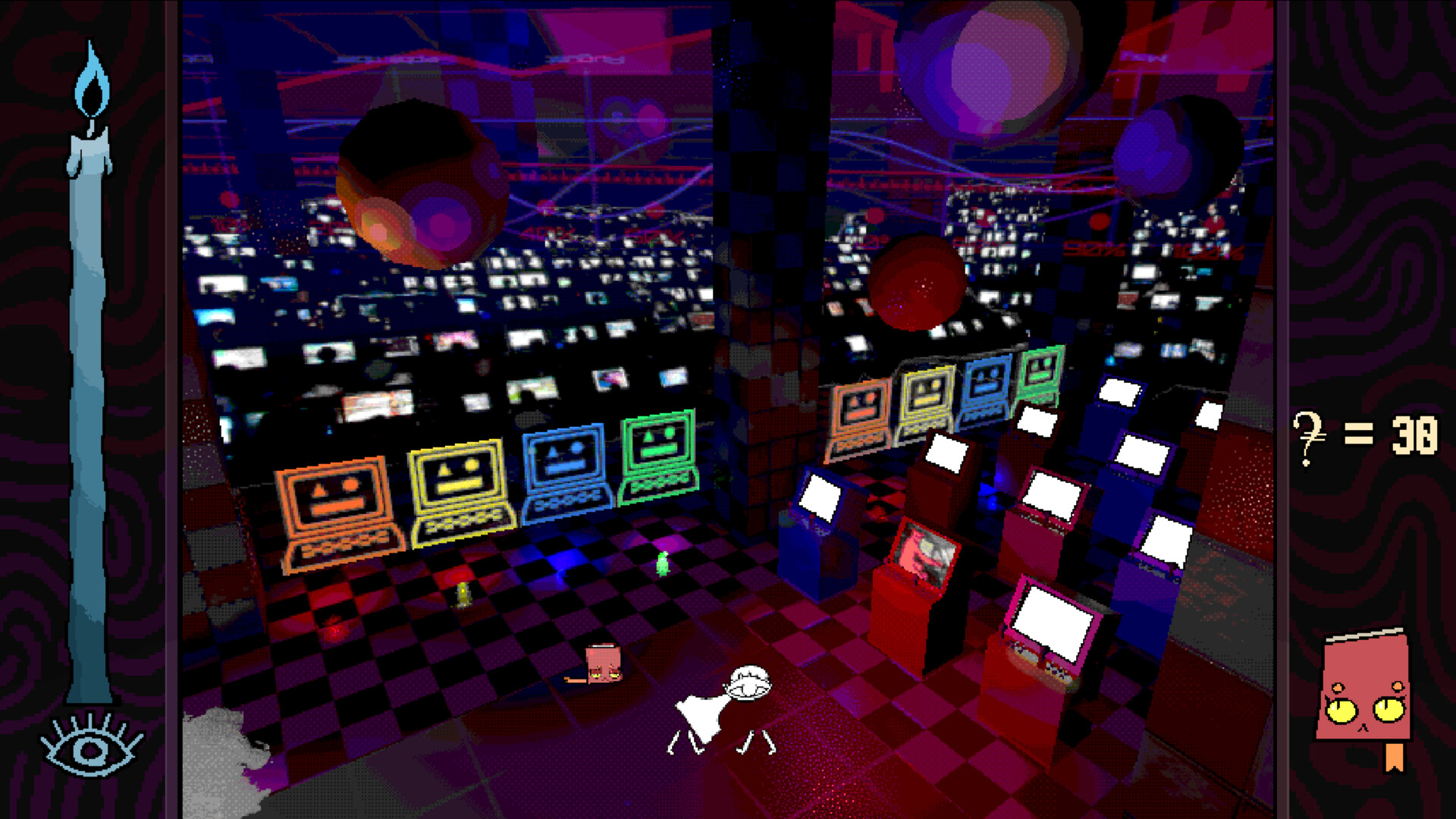
In a universe where mortal memories are harvested and sold as sentient books to celestial consumers, God has gone missing and production has stopped. You play as a lowly librarian sent to investigate alongside Memo — a book with no story of her own, barely tolerating your presence, and quietly desperate for one. The world spans three districts: Lotown, Pipelines, and Hitown, each a dream in slow decay built from someone else’s memory. The Katamari Damacy and Moon Remix RPG comparisons players are drawing are accurate — this is the lineage of left-field Japanese games from the late 90s where the geometry of the world was also the geometry of the feeling.
The core mechanic is shapeshifting. Through exploration and conversation you collect personality traits — emotional prosthetics, the game calls them — and swap between them to unlock different dialogue branches, change how characters respond to you, and advance multiple interwoven storylines. It’s not puzzle-solving in the traditional sense. It’s more like learning to wear different versions of yourself to reach different people, which turns out to be both a game mechanic and the thing the game is actually about.
The Art, Music, and What IODINE Is Really Doing Here
IODINE started making games to carry their music. The games grew into something with its own legs. Burden Street Station is the result — a work where every element is coherent with every other element in the way that solo creative projects sometimes uniquely achieve. The hand-drawn 2D characters against the 2.5D environments create something that feels simultaneously lo-fi and meticulous. The lighting is calibrated in a way that several players have specifically noted: never too bright, never too dark, always doing something for the mood.
The soundtrack is, as multiple players immediately flagged, outstanding. It’s the kind of music that doesn’t announce itself as a highlight — it just quietly makes every scene feel exactly like it should feel, and then you realise hours later that it’s been scoring your emotional responses the whole time. When you come out the other end of Burden Street Station, you’ll want the soundtrack. It’s available separately on Steam.
What Burden Street Station Is About (Without Spoiling It)
Multiple players have described crying. This doesn’t happen because the game manipulates you with cheap emotional beats — it happens because the game has something genuine and personal to say about what it means to be a creator. About the fear that the thing you’re making has nothing real inside it. About the longing for your work to mean something to someone. About grief and the stories we build around people who are gone. The cosmological setup — God missing, memory-books, a universe that runs on extracted mortal experience — is the scaffolding. The actual subject is smaller and more human.
The ENA comparison players draw is apt for the aesthetic. The emotional register is closer to something like Disco Elysium’s quieter moments — that feeling of talking to a character and understanding something real about them, and about yourself, that the conversation didn’t seem to be about on the surface. Burden Street Station does this repeatedly and in a compact runtime that never outstays its welcome.
Limitations Worth Knowing
The game is, as one player accurately described it, “a VN with walking between dialogue boxes.” If that description sounds like a criticism to you, you should know going in that the shapeshifting mechanic doesn’t create complexity in the way a traditional RPG or puzzle game would — it creates texture. You’re not solving problems. You’re finding the right version of yourself for each conversation, and the reward is more conversation. Players who want mechanical depth will find this too light. Players who want to spend 3-4 hours absorbed in a handcrafted surreal world with a story that genuinely has something to say will find exactly that.
The personality swapping mechanic is, as players have noted, the game’s most interesting idea — and several have expressed wanting significantly more of it. At 3-4 hours it doesn’t have space to exhaust its own concept. Whether that’s frustrating or just the right appetite-whetter for what IODINE might do next is a matter of perspective.
The Good, The Bad, & The Ugly
| The Good | The Bad | The Ugly |
|---|---|---|
| Singular Creative VoiceA solo musician making their first major game produced something with complete aesthetic coherence — art, music, world, and theme all pointing at the same thing. | Mechanically LightThe personality-swapping system is interesting but shallow. Players wanting traditional adventure game puzzles or RPG complexity will find very little here. | Price vs. Runtime$14.99 for 3-4 hours is a conversation. The experience is worth it. But at a time when $5 games offer comparable runtime, the value question is legitimate. |
| The SoundtrackOutstanding. Does exactly what the best game music does — you don’t notice it making you feel things until you realise it’s been doing that the whole time. | More Personality Mechanics NeededPlayers consistently exit wanting more of the shapeshifting concept. The runtime doesn’t give it space to fully explore its most interesting idea. | |
| Emotionally Honest WritingSomething genuine to say about creative fear, grief, and the desire for your work to matter. Several players described crying. The emotion is earned. | ||
| Distinctive AestheticThe hand-drawn 2D sprites in 2.5D environments, the calibrated lighting, the dreamlike district design — this looks and sounds like nothing else released recently. |
The Verdict
Burden Street Station is a gem that deserves not to get lost in the release crowd. It’s a small game with a large heart, made by one person with something real to say, and it says it beautifully. The mechanical depth is limited, the runtime is short, and the value proposition requires a particular kind of player to fully land. But if you’re the kind of person who played Moon Remix RPG and felt something, who finds themselves still thinking about a game’s quieter moments weeks later, who wants to spend an afternoon somewhere genuinely unusual — Burden Street Station is exactly that afternoon.
Don’t let it pass you by. For more narrative and indie game coverage, check out our full reviews section.