Introduction: Floating High Expectations
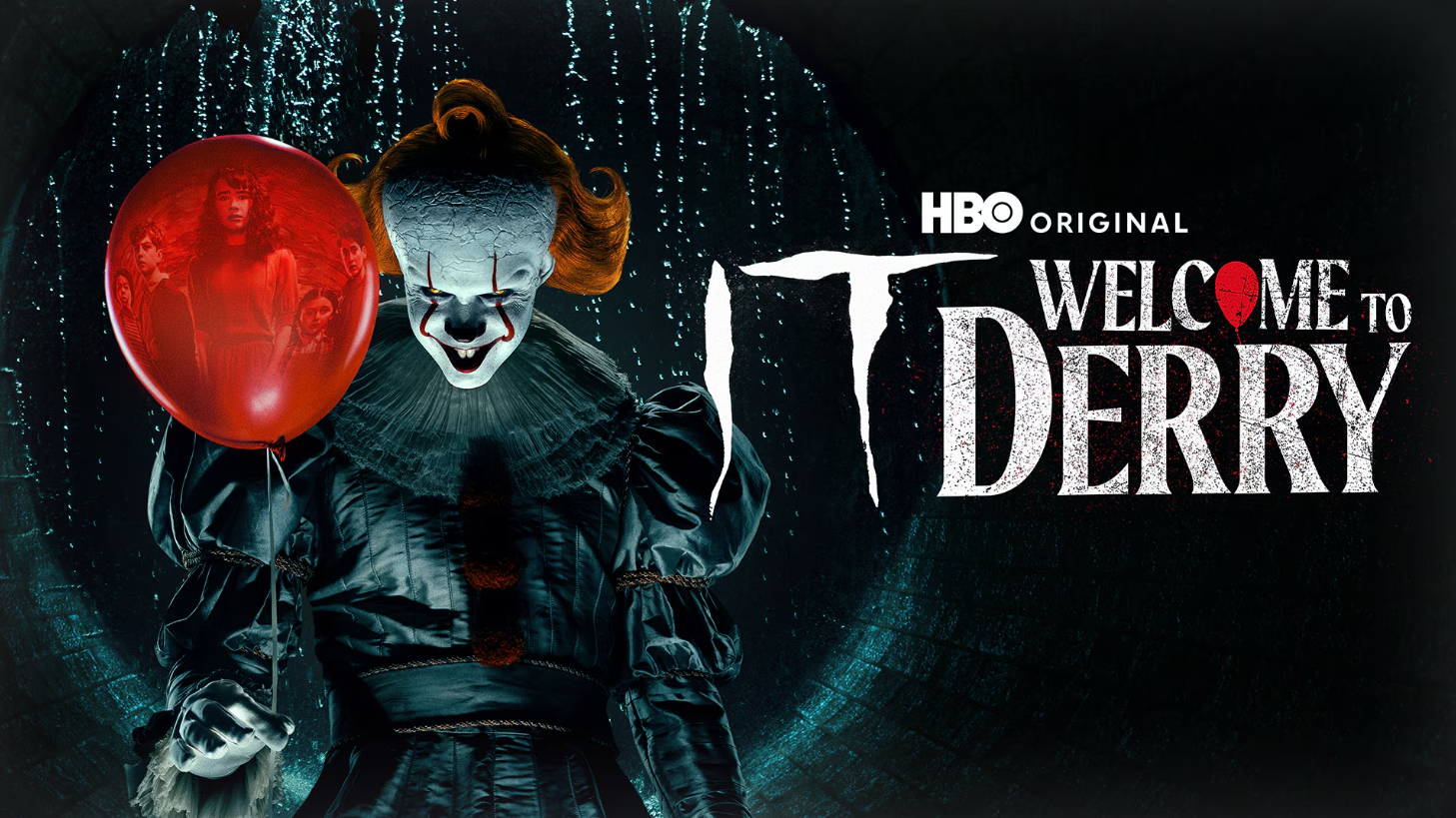
When HBO announced a prequel series to Andy Muschietti’s IT films, skepticism was high. IT: Chapter Two left a sour taste in the mouths of many horror fans—a 3-hour CGI fest where the ancient cosmic entity was defeated by being bullied into submission. The idea of Welcome to Derry initially felt like a “Gotham” situation: a show about a setting without the main attraction. Would Pennywise even be in it? Would it just be a procedural about a spooky town?
Fortunately, Welcome to Derry defies the odds. Developed by the Muschiettis, the series maintains the cinematic universe’s visual language while carving out a nasty, mean-spirited, and compelling niche of its own. It is not a watered-down “Stranger Things”; it is a visceral horror show that isn’t afraid to kill children, rip off heads, and explore the darkest corners of Stephen King’s lore. While it suffers from a baffling military subplot and some questionable CGI, it stands as a sleeper hit that horror fans need to watch.
The Horror: No Safety Nets
The strongest asset of Welcome to Derry is its refusal to play nice. The opening two episodes are a masterclass in setting the stakes. Unlike many modern horror series that rely on “plot armor” for their young casts, this show establishes from the start that no one is safe.
The pilot episode is a standout, delivering shock value that feels earned rather than gratuitous. From a demon baby sequence to a young girl losing an arm (and her life) in a gruesome fashion, the show announces that it is Rated-TV-MA for a reason. It captures the essence of Pennywise: a predator that feeds on the vulnerable.
Perhaps the show’s greatest strength lies in the moments when Pennywise isn’t a clown. Because the entity shapeshifts in response to fear, the creative team unleashes a gallery of new grotesqueries. The highlight is undoubtedly Episode 2, featuring a body-horror sequence involving a pregnancy and a womb-like entrapment that rivals anything seen in the Evil Dead franchise. It is practical, slimy, and genuinely terrifying—a far cry from the floating CGI lepers of the films.
The Cast: The Losers of ’62
Set in 1962, the show introduces us to a new group of outcasts who must band together against the darkness. The standouts are undeniable.
- Richie (The Heart): Played with incredible charm, Richie (no relation to the Tozier character, though the name is a nice nod) is the emotional anchor. His storyline, particularly his crush on Marge and his tragic heroism in Episode 7, provides the season’s emotional peak.
- Marge: A character desperate to fit in with the popular crowd while hiding her own trauma. Her arc from superficial wannabe to hardened survivor is compelling, and the reveal of her connection to the film’s lineage is a satisfying payoff.
- Dick Hallorann (Jovan Adepo): A massive win for the series is the inclusion of a young Dick Hallorann from The Shining. Watching him grapple with his “shine” while serving in the military adds a connective tissue to the wider King universe that feels organic, not forced. His psychic battles with Pennywise provide a different kind of warfare than the physical ones the kids fight.
However, not all characters land. The leads, Will and Ronnie, often feel “serviceable” rather than captivating. Their dialogue can be repetitive (“My dad didn’t do it!”), and they lack the immediate charisma of the 1989 Losers Club.
The Bad: Uncle Sam and The Military
If Welcome to Derry has a fatal flaw, it is the overarching military subplot. The show posits that the US government is aware of the entity in Derry and seeks to control it. While the concept of “weaponizing fear” against the Russians in the Cold War era has potential, the execution veers into cartoonish stupidity.
The villainous General’s motivation shifts from tactical advantage to a nonsensical desire to “unleash Pennywise to stop race riots and unify the country through fear.” It is a plot thread that feels like it belongs in a different, dumber show. It drags down the pacing, particularly in the middle episodes, and culminates in a finale confrontation that feels unearned and illogical.
Furthermore, the show suffers from severe tonal whiplash. While Episodes 1, 2, and 7 are hardcore horror, Episode 3 feels like “Adult Goosebumps.” It features bad day-for-night shooting, green-screen bicycle rides that look cheap, and ghosts that resemble the 2016 Ghostbusters remake rather than the grit of the pilot. When the show relies on CGI over practical effects, the fear evaporates.
Episode Highlights & Lowlights
- The Pilot (9/10): A near-perfect introduction. Sets the tone, introduces the terror, and proves Pennywise (Bill Skarsgård) hasn’t lost his touch.
- Episode 2: The Thing in the Dark (8/10): Features the season’s best practical effects with the “womb monster.”
- Episode 3: Now You See It (4/10): The low point. The “seance” scene and the cemetery ghosts look terrible and fail to generate tension. A massive dip in quality.
- Episode 7: The Black Spot (9/10): The emotional zenith of the show. We see the 1908 origins of the “clown” persona, followed by a harrowing, fiery massacre at a club. It is intense, heartbreaking, and beautifully shot.
- The Finale (6/10): A mixed bag. While Pennywise’s rampage through the school (ripping the principal’s head off) is incredible, the resolution involving the military general and a magical dagger ritual feels convoluted and anticlimactic.
The Lore: Expanding the Universe
For Stephen King nerds, the show is a treasure trove. It digs deep into the “feeding cycles” of IT (1908, 1935, 1962), offering glimpses into the past that flesh out the town’s cursed history. The introduction of the “Maturin” root (a nod to the cosmic Turtle) suggests the showrunners are not afraid to get weird with the interdimensional lore.
The ending sets up a potential three-season arc, likely covering the 1935 gangster era and the 1908 circus origins in future installments. If the show can maintain the visceral horror of its best episodes while jettisoning the clunky military drama, it could become a classic.
Breakdown: The Good, The Bad, & The Ugly
| The Good | The Bad | The Ugly (Scary) |
| Practical Effects: When the show uses prosthetics and makeup (The Womb Monster, The Black Spot burn victims), it looks feature-film quality. | The Military Plot: A convoluted, nonsensical motivation involving weaponizing a clown to stop civil unrest. It drags the narrative down. | The Pilot: The sheer brutality of the opening kills sets a “no one is safe” precedent that carries the tension through the season. |
| Dick Hallorann: Connecting the IT universe to The Shining via a young Hallorann was a stroke of genius. Jovan Adepo sells the trauma of “The Shine.” | CGI Overload: Episode 3’s cemetery scene and the “Uncle Sam” monster looked cheap and broke immersion. | The Black Spot: A harrowing recreation of a hate crime turned supernatural massacre. Hard to watch, but essential storytelling. |
| Bill Skarsgård: He hasn’t lost a step. Even with limited screen time in the early episodes, his presence is felt everywhere. | Tonal Inconsistency: Oscillating between visceral, gory horror and “Scooby-Doo” adventure vibes can be jarring. | Body Horror: The show leans into the grotesque in a way Chapter Two shied away from. |
Should You Watch It?
Yes. If you are a fan of Stephen King, the IT movies, or just horror in general, this is a must-watch. It fixes the “silly” ending of Chapter Two by reminding us that Pennywise is a cosmic horror that destroys lives. Just power through Episode 3 and try to ignore the General’s speeches.
Recommended for fans of: Stranger Things, The Haunting of Hill House, Castle Rock, Channel Zero.
IT: Welcome to Derry: IT: Welcome to Derry is a frustratingly uneven but ultimately winning entry in the horror genre. When it is good—relying on practical effects, character drama, and Bill Skarsgård’s menacing performance—it is some of the best horror television since The Haunting of Hill House. When it is bad, it looks like a SyFy original movie with a budget. However, the highs outweigh the lows. It respects the source material while expanding upon it, delivering a prequel that feels necessary rather than like a cash grab. Just be prepared to roll your eyes every time a guy in a uniform starts talking about "the mission." – Asmodeus