


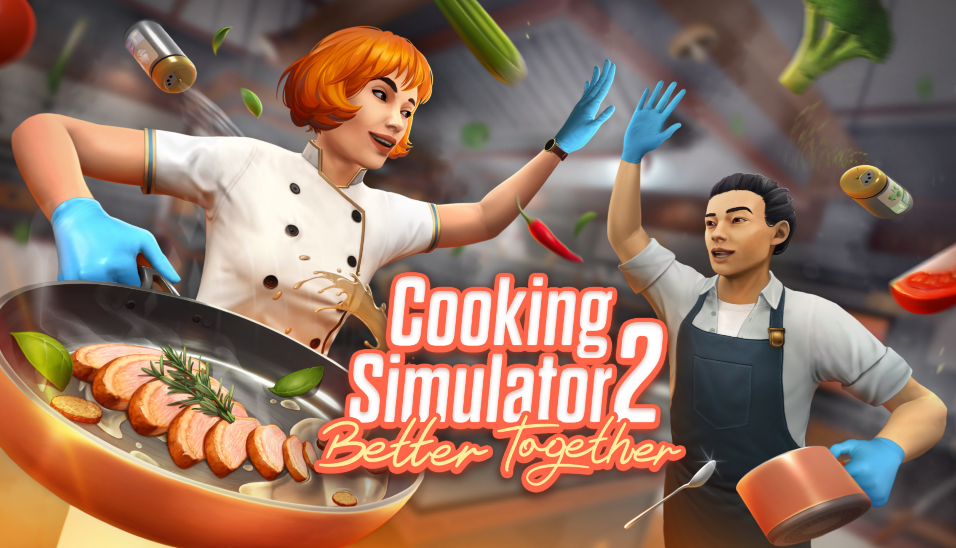
The original Cooking Simulator was a breakout hit for a very specific reason: it perfectly captured the hyper-realistic, physics-based chaos of a commercial kitchen. Whether you were meticulously plating a five-star steak or accidentally setting the entire pantry on fire with a rogue blowtorch, it was a sandbox of culinary destruction.
For the highly anticipated sequel, developer Big Cheese Studio decided to shift gears. Released on March 31st, Cooking Simulator 2: Better Together attempts to take the franchise in a more structured, serious direction. It introduces highly requested online co-op, deeper restaurant management, customizable chefs, and a massive recipe creation system.
But does this new, structured approach actually make for a better game? Currently sitting at a “Mixed” rating on Steam, the community consensus is clear: this meal was pulled out of the oven way too early. Let’s break down what works and what is currently burning in the kitchen.

Co-Op Chaos and Customization
Let’s start with the absolute best addition to the franchise: the multiplayer.
Cooking is inherently a collaborative effort, and bringing a friend into your kitchen completely revitalizes the gameplay loop. The developers nailed the synchronization here. Shouting at your buddy to flip the burgers while you desperately try to assemble a complex salad before the customer loses their patience is pure, unadulterated fun. If you just want to relax, you can jump into the Sandbox mode, ignore the tickets, and just mess around or start a massive food fight.
Cooking Simulator 2 also introduces a fantastic amount of personal identity. You can now fully customize your chef—changing hairstyles, outfits, and tattoos—and even unwind in a personal apartment between shifts. This adds a nice layer of roleplay that was entirely absent from the first game.
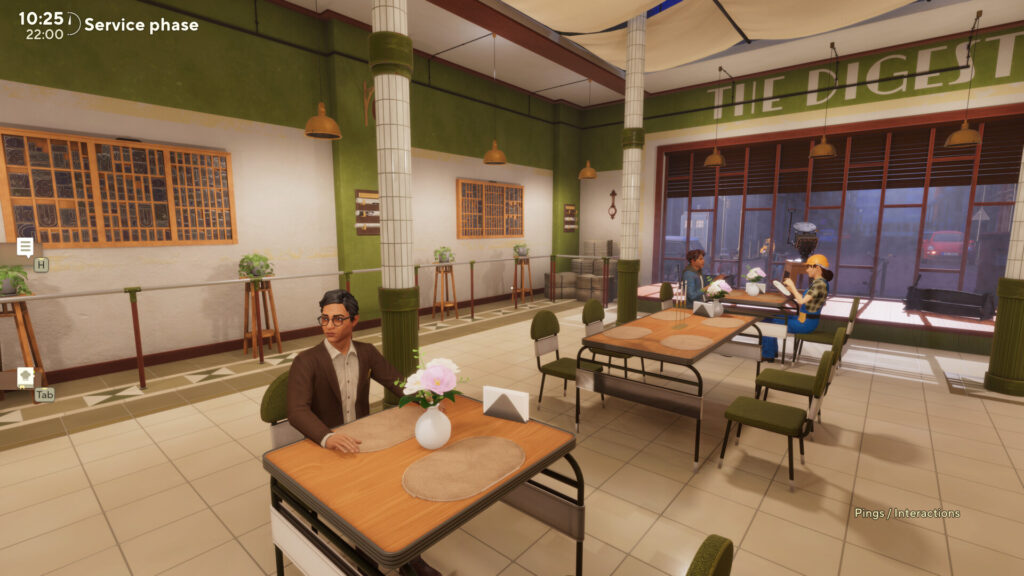
The scope of the kitchen itself has also been expanded. You are no longer confined to a single back room. You now manage the service flow, interact with the dining room, and deal with customers who are actually present in the restaurant rather than just delivering food into a magical “smart chute.”
Less Physics, More Frustration
To accommodate the new multiplayer synchronization and structured recipe creation, Big Cheese Studio made a highly controversial design choice: they significantly reduced the physics engine.
In the first game, chopping a tomato resulted in dynamic, physics-based slices. In Cooking Simulator 2, cutting ingredients feels much more rigid and preset. While this makes the game slightly easier to control, it strips away a massive amount of the chaotic charm that made the original game so popular.
Unfortunately, this rigid structure bleeds into the actual cooking mechanics, which are currently riddled with inconsistencies. The game uses strict, fixed cooking timers instead of visual doneness indicators, reducing the realism. Furthermore, the scoring system is absurdly punishing. You can follow a recipe perfectly, but if the game decides that a single scoop of mashed potatoes has 0.01 grams too much salt, the customer will be furious.
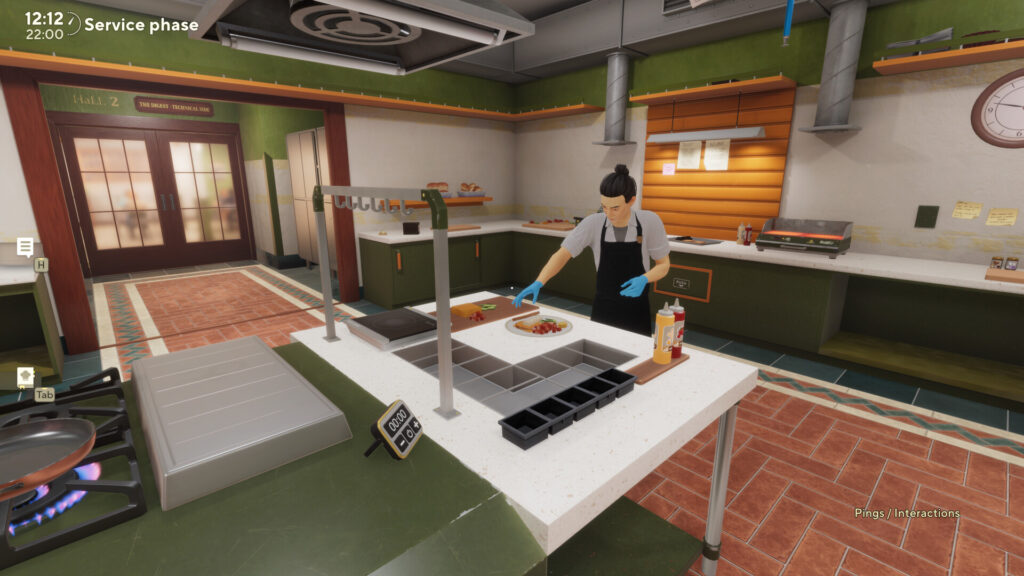
This strictness extends to inventory management. If you accidentally click an ingredient in the pantry (like a carton of beef stock), you cannot simply put it back. You are forced to deal with it. Transferring items between containers is also a tedious, multi-step chore rather than a fluid kitchen action.
Game-Breaking Bugs and Performance Issues
The most glaring issue with Cooking Simulator 2 is its current technical state. Despite lacking an “Early Access” tag, the game feels undeniably unfinished.
Players across the board are reporting severe performance drops. Specifically, when the “End of Day” phase triggers, the game’s framerate frequently plummets to single digits, causing massive lag spikes that occasionally freeze the game entirely.
The highly touted “Recipe Creator” system is also currently broken. Attempting to properly portion custom recipes is a mathematical nightmare, and the UI button to delete them simply does not work.
Finally, upgrading your kitchen or storage space currently deletes all of your stored food and prepped ingredients. In a game where preparation and resource management are key to success, having your hard work instantly wiped out by a progression upgrade is incredibly demoralizing.
The Good, The Bad, & The Undercooked
| The Good | The Bad | The Ugly |
| Co-Op Multiplayer: Cooking alongside a friend completely elevates the chaotic fun of the kitchen. | Reduced Physics: The rigid, pre-set cutting shapes remove much of the sandbox charm found in the first game. | Performance Drops: Severe, game-freezing lag spikes consistently occur during the “End of Day” transition phases. |
| Restaurant Management: Interacting with actual customers in a dining room feels like a massive step up from the original. | Punishing Scoring: Customers will furiously reject meals over microscopic, 0.01-gram seasoning discrepancies. | Progression Wipes: Upgrading your kitchen currently deletes all of your stored and prepped ingredients. |
| Customization: Being able to customize your chef’s appearance and unwind in an apartment adds great personality. | Clunky Inventory: Accidentally picking up items from the pantry cannot be undone, leading to frustrating clutter. | |
| Recipe Creator: While currently buggy, the idea of drafting and serving your own custom menu is fantastic. |

Should You Buy It?
Yes, if: You have a friend ready to play co-op, you love stressful restaurant management games (like Overcooked or PlateUp!), and you are willing to overlook early-launch bugs.
No, if: You play solo, you want a relaxing and cozy cooking experience, or you loved the dynamic, chaotic physics destruction of the original Cooking Simulator.
Recommended for fans of: Cooking Simulator 1, Overcooked! 2, Kebab Chefs!, PlateUp!, Chef Life: A Restaurant Simulator, Job Simulator.
Cooking Simulator 2: Better Together: Cooking Simulator 2: Better Together has all the ingredients for a phenomenal sequel. The addition of online co-op is a game-changer, and the expanded scope of running a full restaurant rather than just a solitary kitchen is exactly what the franchise needed. However, the current execution is severely lacking. The decision to dial back the dynamic physics in favor of rigid, punishing, and often buggy cooking mechanics makes the game feel more like a tedious chore simulator than a fun sandbox. Combined with severe performance drops and broken UI elements, it is clear that Big Cheese Studio needed a few more months to polish this release. If you have a dedicated friend to play with, you will still likely wring some chaotic fun out of the co-op. But for solo players, it is best to wait for a few major hotfixes before stepping up to the stove. – Flare