The January Curse Strikes Again?
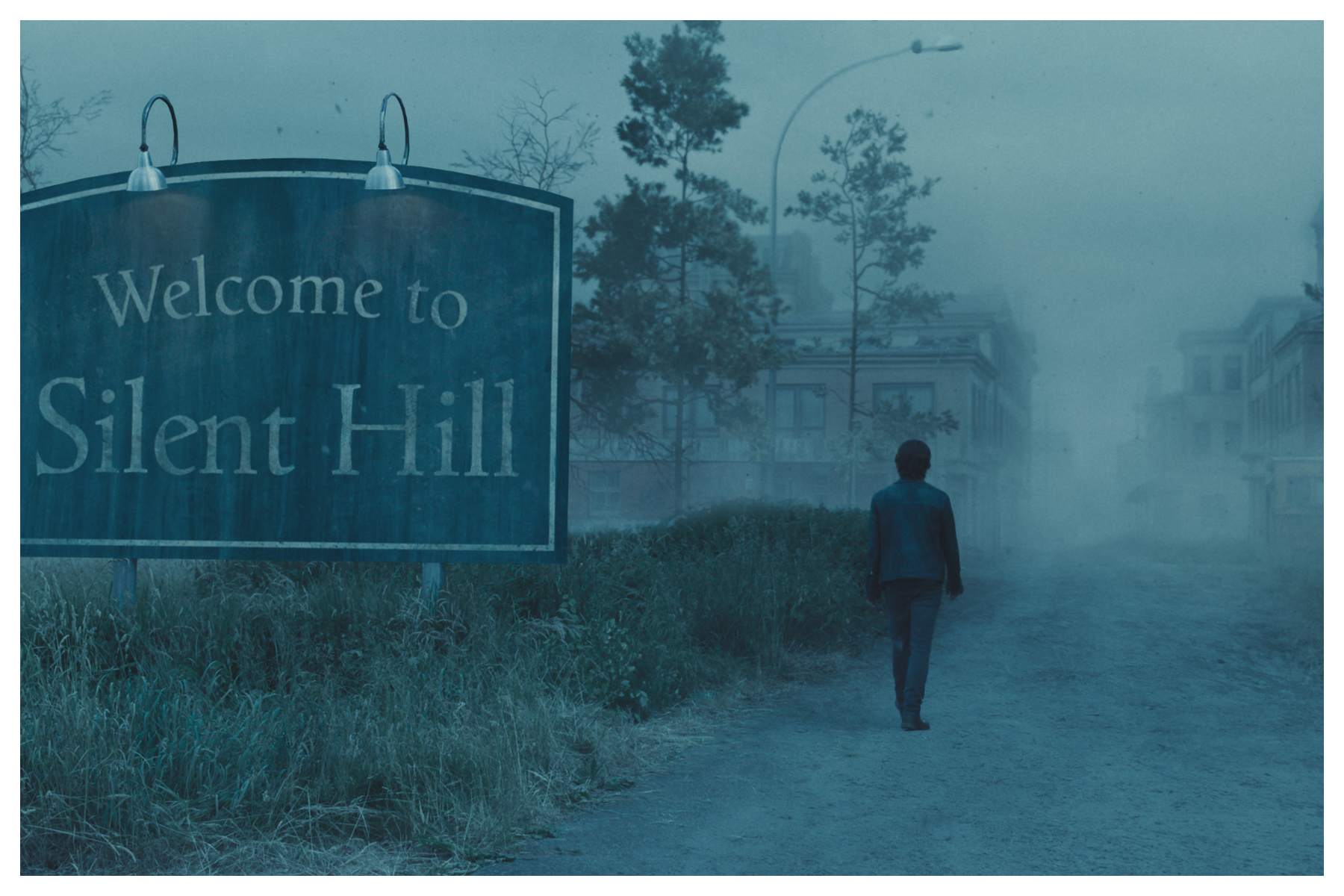
It is a tale as old as cinema history: “F*** you, it’s January.” The first month of the year is traditionally the dumping ground for studios to offload their tax write-offs and disasters. So, when Return to Silent Hill was slated for late January, fans of the franchise held their breath.
Directed by Christophe Gans, the man who helmed the visually stunning (though narratively loose) 2006 Silent Hill movie, this film adapts the beloved Silent Hill 2. The critical reception has been brutal, debuting with a 0% on Rotten Tomatoes before clawing its way up to single digits. But is it really unwatchable garbage, or is it a misunderstood indie horror flick suffering from the weight of its source material?
The answer lies somewhere in the fog. It is certainly better than the abomination that was Silent Hill: Revelation (2012), but for a film based on one of the most psychologically complex horror stories ever told, Return to Silent Hill feels frustratingly hollow.
A Masterclass on a Budget
If there is one thing Christophe Gans understands, it is the aesthetic of Silent Hill. Working with a lean budget of roughly $23 million, the film manages to look significantly more expensive than it is.
The set design is impeccable. The team has recreated iconic locations from the game—the grimy-covered bathrooms, the foggy streets, the decaying Brookhaven Hospital—with a level of detail that borders on obsessive. For fans who have walked these virtual halls, there are moments where the film looks exactly like the game come to life.
The creature designs also deserve praise. While the CGI isn’t blockbuster level, the practical effects and monster concepts (including a grotesque spider-mannequin hybrid and “mouth-bugs”) are distinct and gross. It captures the “lived-in” filth of the Otherworld far better than the sterile CGI of modern superhero flicks.
The Narrative: Lost in the Fog
Where the film falls apart—and falls apart hard—is the script. Silent Hill 2 (the game) is a subtle, slow-burning tragedy about guilt, sexual repression, and euthanasia. Return to Silent Hill (the movie) decides that isn’t enough and throws in a Satanic Cult.
The story follows James Sunderland (Jeremy Irvine), who returns to the town after receiving a letter from his wife, Mary, who has been dead. However, the film strips the game of its ambiguity. Instead of the psychological subtlety of James’s grief, we are introduced to a plot involving Mary’s father, a cult leader named Jacob Crane, and a backstory involving poisoning and ritual sacrifice.
This shift fundamentally changes the horror. The game was scary because the town brought James’s inner demons to life. The movie is less scary because it externalizes the threat into a generic “evil cult” plotline. It feels like the writers didn’t trust the audience to understand a psychological drama, so they shoehorned in a tangible villain.
The Horror: Where is the Tension?
For a horror movie, Return to Silent Hill is shockingly dull. The pacing is a major issue; the film sprints through locations that should be terrifying. James arrives at the apartments, solves a puzzle (off-screen), and leaves. He gets to the hospital, runs down a hall, and leaves.
The Nurses: The iconic Bubble Head Nurses are wasted. In the games, they are terrifying because they move only when they hear you, freezing in contorted poses. In the film, they are treated like generic zombies, rushing James in a frantic, tension-free action sequence. There is no scene of James holding his breath, creeping past them in the dark. It’s a missed layup.
Pyramid Head: The legendary executioner is present, but he lacks menace. He appears, smashes a few things, and leaves. He feels included out of obligation rather than narrative necessity.
The Cast and Characters
- James Sunderland (Jeremy Irvine): Irvine struggles to make James charismatic or sympathetic. James is meant to be a broken man, but here he often comes across as merely confused or bored.
- Maria/Mary (Hannah Emily Anderson): Anderson does her best with the material, but the script conflates multiple characters from the game (Angela, Laura, and Maria) into manifestations of Mary, which muddies the water.
- Eddie: A fan-favorite villain from the game appears for about two minutes and then vanishes, leaving zero impact on the plot.
Return to Silent Hill: Return to Silent Hill is a frustrating experience. Visually, it is a love letter to the franchise. Narratively, it is a betrayal of what made Silent Hill 2 a masterpiece. It sits in an awkward middle ground. It is too confusing and slow for general audiences who just want a scary movie, and it changes too much of the lore for hardcore fans to embrace it. It is a 5/10 movie trapped in a 10/10 setting. If you are a die-hard fan, you might find enjoyment in the set design and the soundtrack (which reuses Akira Yamaoka’s legendary score). For everyone else, you are better off watching a "Let’s Play" of the video game. – Asmodeus
Spoiler Breakdown: The Lore Changes
Warning: Major Spoilers Below
The film makes drastic changes to the source material, fundamentally altering the story’s meaning.
1. The Cult of Jacob Crane. In the game, Mary dies of a terminal illness (heavily implied to be cancer). The tragedy is natural. In the movie, Mary is the victim of her father, Jacob Crane, a cult leader who has been slowly poisoning her since childhood to keep her weak and compliant. This turns James’s euthanasia of her from a complex moral grey area into a “mercy killing” to save her from torture. It removes the guilt that defines James’s character.
2. The “Aspects” of Mary. The film reveals that the side characters James meets—specifically the little girl Laura and the suicidal Angela—are not real people. They are manifestations of Mary’s psyche.
- Laura: Represents Mary’s innocence.
- Angela: Represents Mary’s trauma and abuse.
- Maria: Represents James’s lust and desire for a “better” version of Mary. While this is an interesting “psychological thriller” twist, it robs the story of the idea that Silent Hill calls multiple sinners. In the game, Angela had her own tragic story completely separate from James. Here, the world revolves entirely around James.
3. The Ending. The film teases the famous “In Water” ending, showing James driving his car into Toluca Lake to be with Mary. However, it pulls back. James “wakes up” from the loop, finding himself back at the start, seemingly having learned the truth but trapped in the cycle—or perhaps given a second chance. It’s a confusing conclusion that lacks the emotional finality of the game’s endings.
4. The Monsters The film introduces new monsters, including “Mouth Bugs” and a Spider-Woman creature (implied to be a manifestation of Mary/Angela). Pyramid Head eventually fights and crushes the Spider creature, acting almost as an anti-hero protector of James, who misunderstands the monster’s role as James’s punisher.