
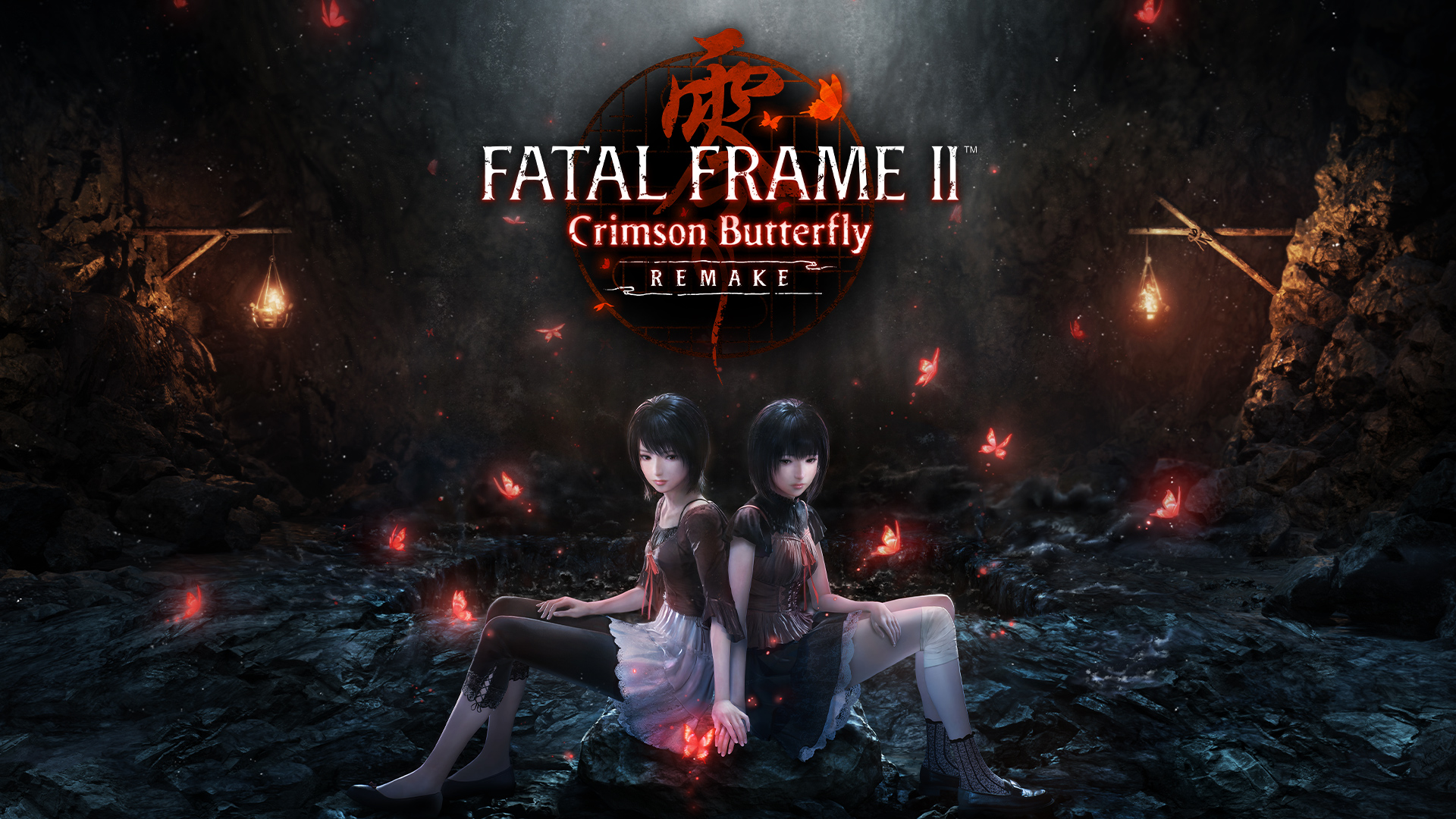
A Masterclass in Dread
There are very few franchises in gaming history that command the same level of hushed reverence as Fatal Frame. When the original Crimson Butterfly launched on the PlayStation 2, it wasn’t just a scary game; it was a deeply emotional exploration of grief, feminine sadness, and the unbreakable bond between twin sisters. Rebuilding a game with that kind of legacy is a monumental task.
Released earlier this month, FATAL FRAME II: Crimson Butterfly REMAKE attempts to bring the cursed, eternal night of Minakami Village to modern hardware. As someone who spends an unhealthy amount of time at early horror film screenings, I am constantly chasing that pure, visceral feeling of dread. This remake delivered it so effectively that I spent half my playthrough clutching one of my graded Chinese Gengar cards like a protective talisman. It is genuinely terrifying.
Currently sitting at a “Very Positive” rating on Steam, the game successfully honors its roots while introducing a slew of modern mechanics. But beneath the gorgeous new coat of paint, a few clunky design choices and bizarre technical limitations threaten to break the immersion.
The Beauty of the Damned
The most immediate and striking upgrade to Crimson Butterfly is its visual presentation. Minakami Village has been rebuilt from the ground up, and it looks absolutely breathtaking.
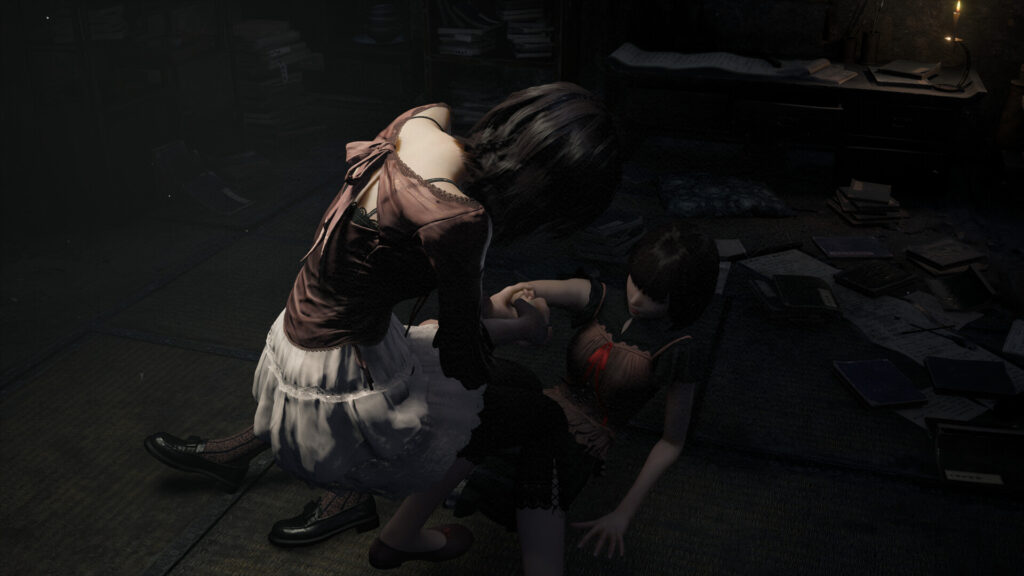
The developers have masterfully manipulated light and shadow to make the abandoned Japanese village feel suffocatingly claustrophobic. The character models for Mio and her twin sister Mayu are incredibly detailed, and the ghost designs—while largely faithful to the originals—benefit massively from modern rendering techniques. The spirits you encounter aren’t just generic monsters; they are tragic echoes of the villagers, and their distorted movements tell the story of their demise. A woman who drowned in a pond floats toward you, desperate to drag you down with her. A villager who broke her neck falling from a bridge approaches with a sickening, unnatural tilt to her head.
The 3D audio design deserves special recognition. The ambient sounds of the village are deeply unsettling, but the deafening silence is often the most terrifying. Hearing a floorboard creak in a room you thought was empty will send shivers down your spine.
Unfortunately, the PC port suffers from a baffling technical limitation: a hard 60 FPS cap. In 2026, launching a major PC title with a locked framerate is an obnoxious design choice, especially when competing horror titles push 120+ FPS with full ray tracing. While savvy players can tinker with the game files to unlock the framerate, you shouldn’t have to break the game to play it optimally.

The Camera Obscura: Snapshots of Survival
Combat in Fatal Frame has always been wonderfully unique. Instead of shotguns and rocket launchers, your only defense against the supernatural is the Camera Obscura—an antique camera capable of photographing and sealing away impossible things.
The combat loop is a brilliant exercise in tension. You are forced into a first-person perspective, staring directly into the terrifying faces of your attackers. To deal maximum damage, you have to wait until the absolute last second before a ghost lunges at you to snap a “Fatal Frame.” It forces you to suppress your fight-or-flight response and stand your ground against your worst nightmares.
The remake introduces several new mechanical layers to this system, including Focus, Zoom, and Filter Switching. Rather than just relying on different types of film, the new filters offer unique functionalities for crowd control and damage, making encounters feel a bit more dynamic. Furthermore, the game introduces a light stealth mechanic. While crouching in the dark to one-shot a wraith with a flash doesn’t make total logical sense within the lore, it provides a much-needed breather during exploration.
Outside of combat, the new “Holding Hands with Mayu” mechanic is a subtle but brilliant addition. Being able to physically string your vulnerable twin sister along adds a deep layer of tenderness to the narrative, making you feel fiercely protective of her as the village’s spiritual energy slowly corrupts her.
Reload Speeds and Ghost Spam
While the atmosphere is flawless, the gameplay mechanics stumble significantly in the back half of the 14-hour campaign.
The combat balancing is, frankly, frustrating. In the remake, reload and attack upgrades are bafflingly tied to the camera filters rather than the camera body itself. This means that even with maximum upgrades, reloading powerful film types (like Type-61 or Type-00) takes an agonizingly long time. When combined with the new stamina system—which heavily penalizes you for dodging—you are frequently left completely defenseless. Aggravated wraiths in the late game become massive bullet sponges, and if two spirits attack you simultaneously, it is incredibly easy to get stun-locked on the floor with zero stamina and an empty camera.
This combat friction is severely exacerbated by the ghost spawn rate in the final chapter. While doing optional side-content in the Kiryu and Tachibana houses, the game throws aggressive spirits at you in almost every single room. The constant interruptions completely kill the pacing and ruin the carefully crafted horror. It stops being scary and simply becomes an exhausting chore that actively discourages you from exploring.
The Good, The Bad, & The Spectral
| The Good | The Bad | The Ugly |
| The Atmosphere: Minakami Village is a masterclass in environmental storytelling, lighting, and 3D audio design. | The 60 FPS Cap: A hard framerate lock on a modern PC release is unacceptable and requires file-tinkering to fix. | Late-Game Spawn Rates: The final chapter bombards you with ghosts in almost every room, turning horror into a tedious chore. |
| The Camera Obscura: Snapping “Fatal Frames” remains one of the most tense, rewarding combat loops in the genre. | Combat Balancing: Tying reload speeds to filters makes using high-damage film agonizingly slow and punishing. | |
| Expanded Lore: The new side-quests and additional tracking expand the heartbreaking lore of the villagers significantly. | Stamina System: The new stamina constraints often leave you defenseless and vulnerable to frustrating stun-locks. | |
| Holding Hands: The new mechanic of physically holding Mayu’s hand brilliantly reinforces the emotional core of the story. |
Should You Buy It?
Yes, if: You are a die-hard fan of traditional Japanese horror, you love story-rich games with deep lore, and you enjoy combat that requires patience and timing rather than twitch reflexes.
No, if: You demand perfectly optimized PC ports with uncapped framerates, you get easily frustrated by bullet-sponge enemies, or you prefer fast-paced action over slow-burn psychological dread.
Recommended for fans of: Silent Hill 2 Remake, Resident Evil (Remakes), The Evil Within, Amnesia: The Bunker, Kuon, Siren.
FATAL FRAME II: Crimson Butterfly REMAKE: FATAL FRAME II: Crimson Butterfly REMAKE is a bittersweet experience. When it allows you to soak in its haunting atmosphere, unravel its tragic lore, and experience the heartbreaking bond between Mio and Mayu, it is a survival horror masterpiece. If you can look past the locked 60 FPS on PC, the occasionally clunky combat stamina, and the exhausting late-game encounter rates, you will find one of the most culturally rich, terrifying adventure games on the market. It is a faithful, loving restoration of a PS2 classic that deserves to be played—just make sure you have a comfort item nearby. – Obsidian