

D-topia is set centuries from now, aboard AI-managed habitats where implants adjust what people see, smell and feel so that everyone remains content. You work a civil job maintaining that arrangement, solving puzzles as part of your daily duties and spending your free hours getting to know the people around you.
From Marumittu Games and published by Annapurna Interactive, it’s a quietly philosophical game that turns out to be far more interested in kindness than in revolution — and it’s much better for it.

The Loop
Number and line puzzles woven into your job, with enough variety across types to stay fresh. Optional ones get genuinely challenging.
A roamable overworld with a “block side” mechanic that flips your perspective on the environment — the standout traversal idea.
Build affinity with around a dozen main friends through optional conversations. Not a dating sim — just people worth talking to.
Hidden mice with puzzles attached, plus chairs to sit in and other collectibles scattered throughout the habitat.
The Writing Is Why You Play It
Crucially, the tone stays optimistic. D-topia isn’t interested in the cynical read where the AI is secretly evil and everything must burn. It’s interested in a well-meaning society that still fails some people, and in whether being kind to the person in front of you is enough. That’s a harder, more grown-up question than most games in this space bother with.
The presentation supports it beautifully. The art on both sides of the world is lovely without being simplistic, the music does that specific thing Japanese games do where a soundtrack makes a place feel like home, and the whole production is soaked in a cosy, wabi-sabi sensibility.
Structurally it respects you, too. The week is split into seven days of morning, afternoon and evening — but time only advances when you complete the main objective. Everything else is at your pace, with no clock pushing you out of a conversation.
The Replay Problem
It’s genuinely frustrating because the fix is so ordinary. Multiple save slots and a dialogue skip option are standard features, and either one alone would transform the back half of this game’s value proposition. As it stands, the three endings function less as replay value and more as a list of things you’ll probably never see.
The missables compound it. Collectible mice and chairs are easy to walk past, no guides existed at time of writing, and missing the very first chair in the prologue means a complete replay to achieve full completion.
Other Friction
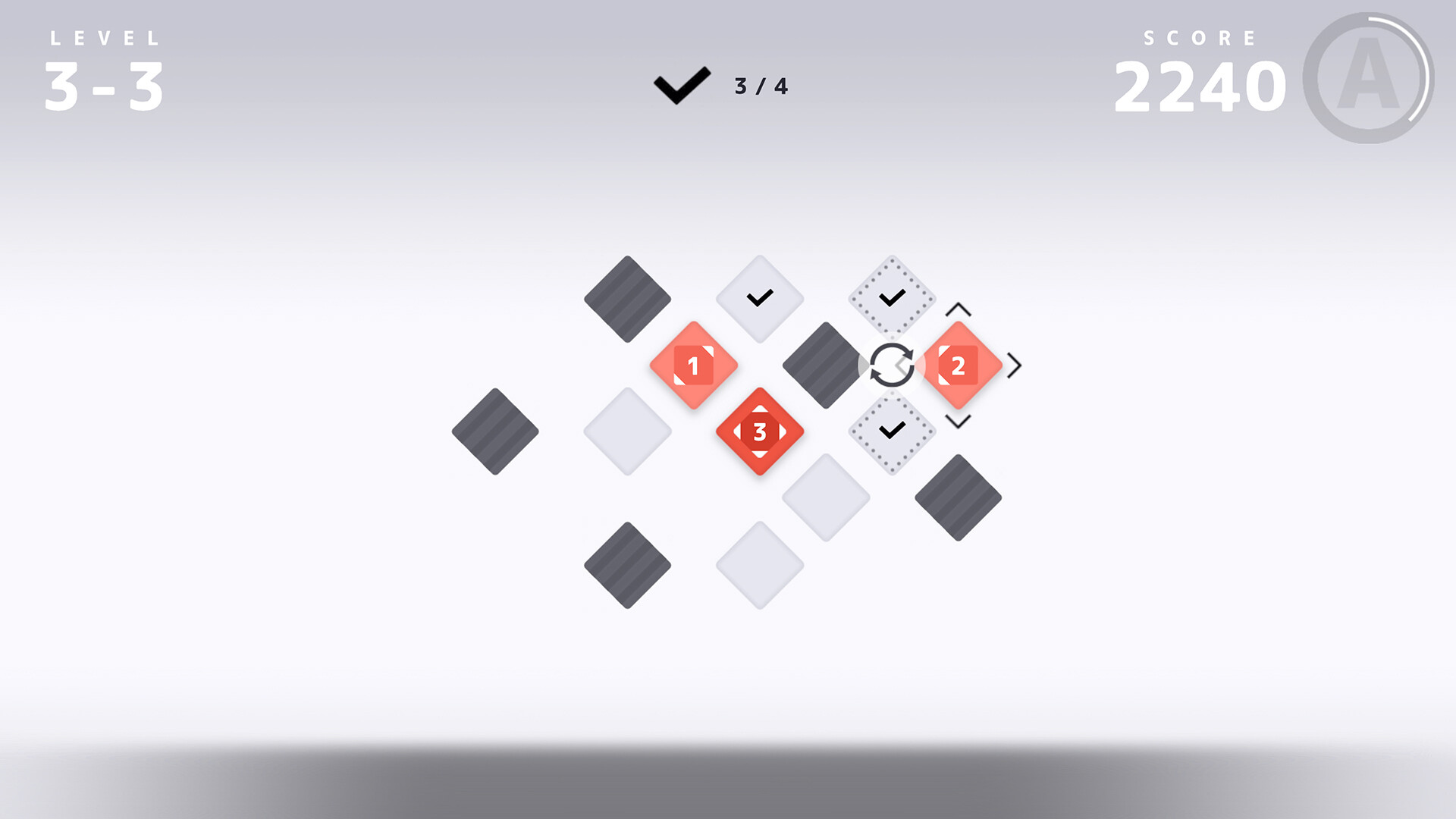
The timed puzzles are the strangest inclusion. In a game that otherwise goes out of its way to remove pressure — no rush, explore freely, time only moves when you choose — putting a clock on the one recurring mechanic and attaching permanent economic consequences to it works against the entire design philosophy.
It Runs Beautifully
Worth crediting: performance is excellent. The graphics are stylised rather than demanding and the engine is properly optimised, which means it runs superbly on modest hardware — one player reported it running perfectly at 15 watts on a Z1 Extreme handheld under SteamOS.
For a cosy narrative game that people will realistically want to play on a Deck or similar in the evening, that matters more than raw fidelity would.

The Good, The Bad, & The Ugly
| The Good | The Bad | The Ugly |
|---|---|---|
| Outstanding WritingCalled some of the best writing players had seen in years. Characters evolve meaningfully across the week, and the philosophy is asked rather than answered — what a utopia costs, who it excludes, whether managed happiness counts. Genuinely moving in the back half. | The Premise Outruns the PayoffAn enormous setup around AI, sensory manipulation and manufactured contentment, with consequences that never scale to match. Several players wanted the stakes the opening implies and didn’t get them. | One Save Slot, No Dialogue SkipThree endings, a one-shot final-day choice and stacks of missables — all gated behind full replays with no skip and a single save. Players are watching the other endings on YouTube instead. The content is there; the game makes reaching it a chore. |
| Optimistic, Not CynicalIt refuses the easy “AI is secretly evil” reading in favour of a well-meaning society that still fails people — and asks whether kindness to the person in front of you is enough. A harder question than most games in this space attempt. | Dialogue Repeats Across ChoicesMuch of the same text appears whether you’ve made the moral choice or the selfish one, which quietly undercuts the branching the endings depend on. | Chapter Select Loses ProgressIt takes a snapshot rather than carrying you forward, so backtracking for an early missable can cost everything after it. Combined with the single save, it’s the opposite of a safety net. |
| Lovely to Be InGorgeous art on both sides of the world, a soundtrack that makes the place feel like home, varied puzzles with a genuinely fun block-side mechanic, and no clock pushing you out of a conversation. Runs beautifully on handhelds too. | Puzzles Are Mostly EasyPleasant rather than taxing — one player struggled with about two in the whole game. The optional ones fare better, but nobody’s here for the challenge. | Timed Puzzles in a Gentle GameWorkday puzzles run on a clock in a game built entirely around removing pressure — and missing them permanently locks decorations you can never afford later. It fights the whole design philosophy. |
The Verdict
This charming indie puzzle adventure nails its premise of maintaining AI-curated happiness with thoughtful, relaxing gameplay that respects your time. It does — right up until you want to see everything it has, at which point it stops respecting your time rather abruptly.
What’s here is genuinely lovely. The writing is the best thing about it by a distance, the characters are worth spending a week with, the questions it raises are real ones asked with care, and the whole production is beautiful to sit inside. Several players finished it wanting to keep living there, which is about the highest compliment a game like this can earn.
The frustrations are almost entirely structural rather than creative. A single save slot, no dialogue skip, chapter select that loses progress, punishing missables, and timed puzzles that contradict the game’s own gentle philosophy. None of that is a failure of craft — it’s a failure of options menus, and it’s the difference between a game people replay and a game people watch the rest of on YouTube.
The honest read: if you want a thoughtful, beautiful, quietly philosophical few evenings, buy it and play it once, properly. Take your time, talk to everyone, don’t chase completion. On those terms it’s excellent and you’ll come away glad you did.
If you’re a completionist, go in with a guide or accept you’ll be replaying. The missables are unforgiving and the game gives you no tools to recover from them.
Add multiple saves and a dialogue skip and this jumps a full point. The game underneath deserves it.
For more game reviews, check out our full reviews section.