
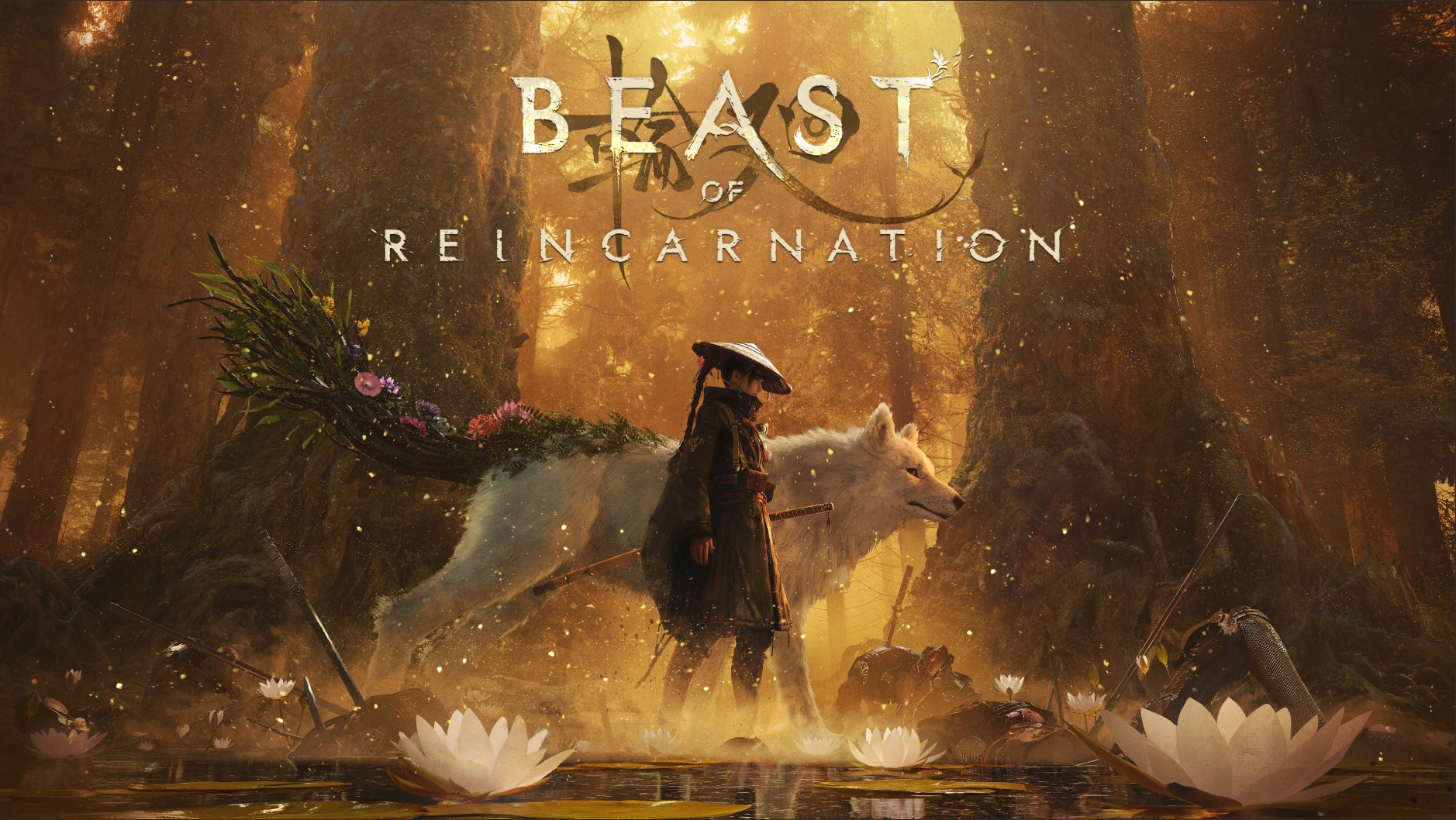
Beast of Reincarnation is Game Freak’s swing at a AAA action RPG, published by Fictions and released on August 3. You play Emma, an outcast, alongside Koo, a blighted dog, hunting the bosses of a ruined far-future Japan to take their powers and use them on the thing at the end.
It is an ambitious, sincere, visually striking game with one excellent system and a lot of surrounding material that doesn’t hold up. Steam has it sitting at Mixed across nearly 1,500 English reviews, OpenCritic has it at 72, and after our own playthrough we understand exactly how it earned both of those numbers.
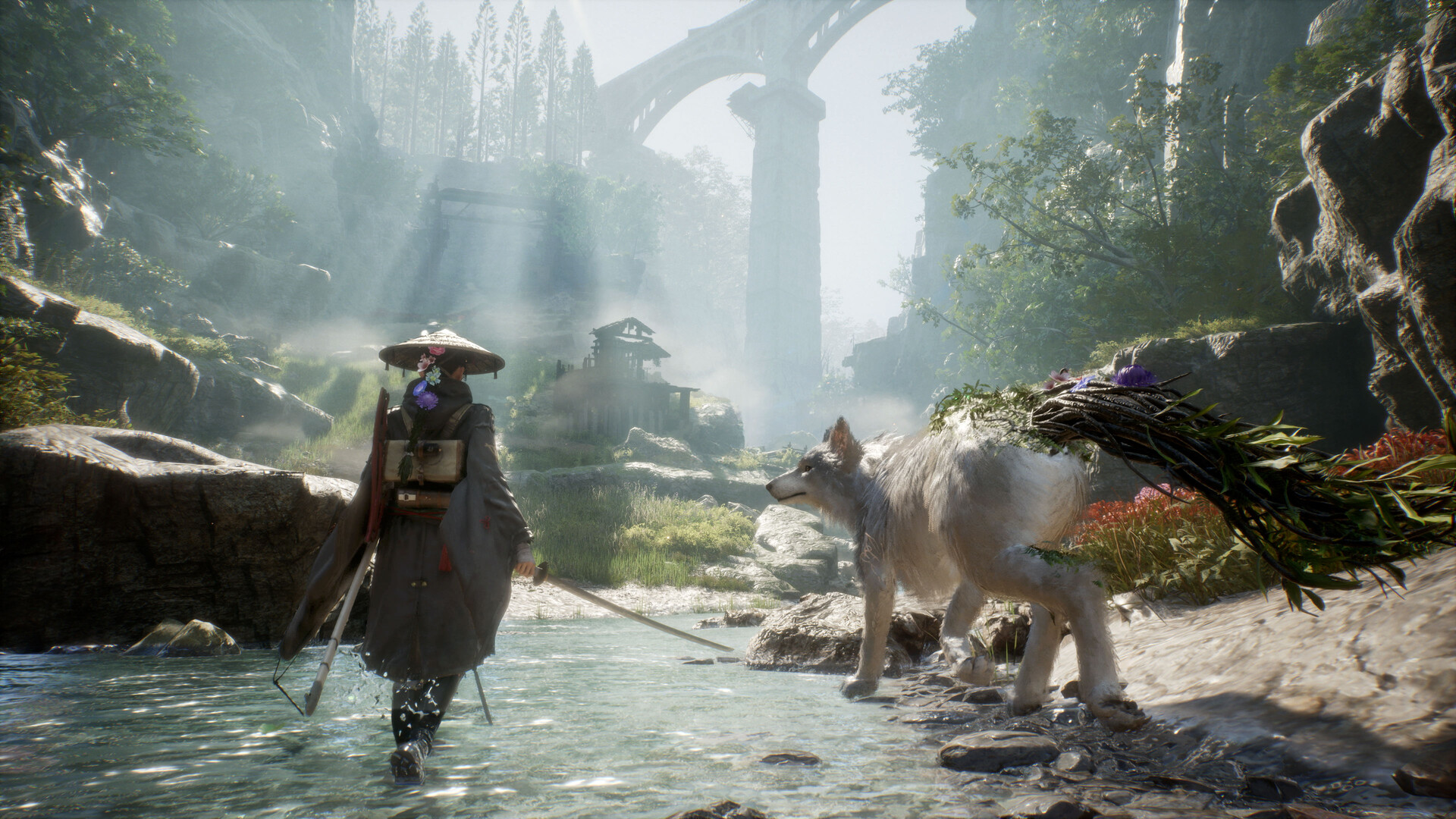
The Parries Are Perfect. The Flow Isn’t.
Our verdict: Beast of Reincarnation’s hybrid combat system and charming duo dynamic make it a fresh take on action RPGs, and the gorgeous world and engaging story justify the purchase for adventure seekers. With one significant asterisk, which we’ll get to in the value section.
It’s a fixable problem — a hotkey layer would resolve most of it — and it’s frustrating precisely because the parrying underneath is so good. The pieces are right. The connective tissue isn’t.
Build Options Without Build Direction
That’s the failure. Not that the options are bad — they’re fine — but that nothing in the game ever demands you engage with them. The trees split three ways immediately with no guidance on which branch matters, so we simply balanced everything and it worked out.
The elemental system has the same issue. Weaknesses hit hard in a few specific fights, but there’s no ongoing incentive to match elements to encounters because most skills deal similar damage regardless. We ran one of each element and never thought about it again.
The net effect is that it becomes a collection of build options rather than a system that encourages experimentation. A good build system creates pressure — a wall you can’t get past until you rethink your loadout. This one creates a menu. Most players, us included, will settle on something early and never revisit it.
A World Worth Looking At, Not Exploring
The visuals are the game’s other genuine triumph. Game Freak have nailed the post-apocalyptic feel, and the world is consistently interesting to look at. The Malefact and Nushi designs in particular are standouts — grotesque and beautiful simultaneously, which is a very hard note to hit.
Traversal is a highlight too. Emma can create her own bridges to shortcut routes and scale considerable heights to reach areas, and the map progression is less hand-holdy than you’d expect from a modern big-budget release. You genuinely have to look around and work out how to approach places. The platforming holds up.
Creating your own shortcuts is the traversal standout, and it makes the maps feel navigable rather than routed.
Map progression makes you actually study the terrain. Refreshing in a AAA-scale game.
Items and points of interest highlight through geometry — including ones you can’t reach yet.
Consumables, small currency, food ingredients. Nothing worth leaving the critical path for.
That last card is the one that sinks it. As one player put it: how do you build a whole world that isn’t worth exploring? The environments are beautiful and the traversal is fun, and there is almost no incentive to use either. You’ll find things off the path. They’ll be the same quick consumables and food ingredients you already have thirty of.
The through-wall highlighting compounds it. Spotting an item, walking to it, and discovering it’s gated until a later chapter breaks the exploration rhythm repeatedly. Combine that with large, sparsely populated maps and no NPCs outside a handful of camp vendors, and a lot of the world reads as space rather than place.
Three Moves and a Repeat Boss
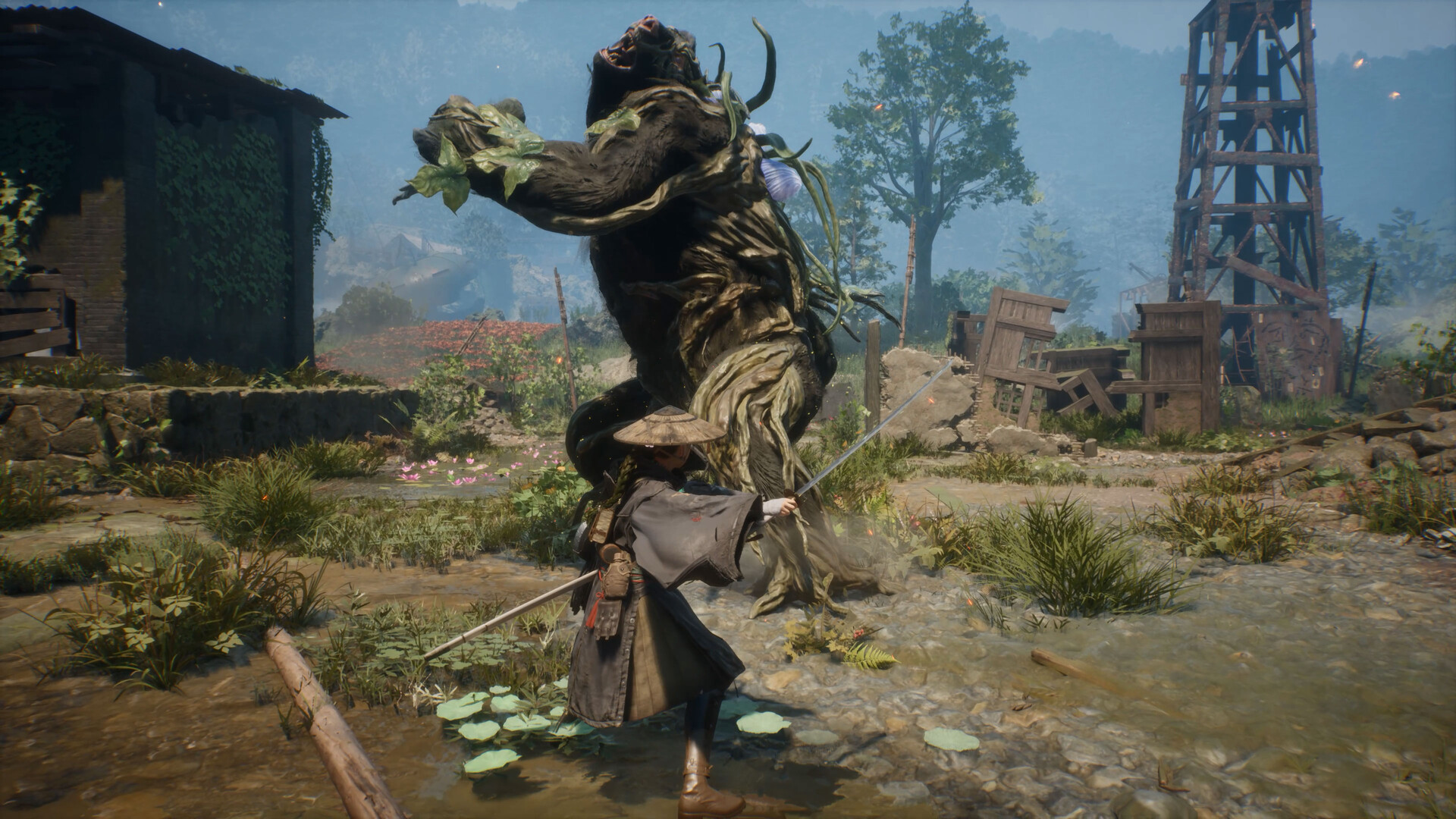
Enemy variety is the game’s most straightforward failure. There is very little of it, and most enemies work from a moveset of roughly three attacks. Once you’ve learned the patterns — and you will, quickly — every encounter starts to feel identical.
Bosses fare no better, and there’s a specific structural choice making it worse. Several bosses are fought, then flee, then are fought again, then flee again, before the actual confrontation. By the time you’re finally allowed to finish one, you’ve already learned everything they do and the fight has no tension left in it.
The saving grace is that parrying feels good enough to carry encounters that shouldn’t work. That’s a lot of weight for one mechanic to bear across forty hours of completionist play, and it doesn’t fully manage it.
The Cutscenes Are the Real Problem
The material underneath is better than its delivery. The lore is genuinely interesting, the ending lands, and the story’s actual message is worth reaching. But the pacing is brutal — it takes something like twelve hours before the narrative becomes compelling, and the final stretch then rushes to explain everything at once.
The Nier: Automata comparison also needs addressing, because nearly every player raises it. Locations, musical choices, story structure and some characters land close enough to Yoko Taro’s game that experienced players will predict several beats. Whether that’s homage or imitation is a matter of taste. It is, at minimum, very noticeable.
Sound, and the Repeat Problem
The soundtrack is good and suits the world well — mostly calm, atmospheric composition for overworlds and camps, in a similar register to Stellar Blade. Battle music is serviceable without being memorable.
The issue is reuse. The same overworld track plays across roughly three consecutive maps during story progression. It does eventually change, but the damage is done early — a good soundtrack heard too many times in a row stops registering as good.
Performance and Technical
Things to Know Going In

The Good, The Bad, & The Ugly
| The Good | The Bad | The Ugly |
|---|---|---|
| Parrying Feels Near-PerfectThe weight, timing and audio snap on deflection are excellent and stay excellent across twenty-plus hours. It’s the thing holding the entire game up, and every player agrees on it regardless of how they felt about the rest. | Koo’s Menu Breaks the FlowTime doesn’t stop while you’re selecting a skill, then stops completely once you commit. Real-time when you need to think, frozen when you don’t — and there’s no shortcut binding to skip it. | Zero Emotion in Any PerformanceYui Ishikawa voices Emma and you’d never guess. Every character delivers every line in the same flat register for the entire game. A direction failure, not a casting one, and it’s the biggest thing dragging the game down. |
| Genuinely Striking Art DirectionThe post-apocalyptic world is consistently interesting to look at, and the Malefact and Nushi designs are standouts — grotesque and beautiful at once, which is hard to pull off. | Build Options Without PressureTwo skill trees, Spirit Stones, Support Skills, elements — and nothing ever forces you to engage with any of it. We swapped stones twice in a full playthrough. It’s a catalogue, not a system. | Three Moves Per EnemyVery little enemy variety, and most work from about three attacks. Bosses repeat the flee-and-refight structure until the real confrontation has no tension left. The parry feel is doing all the work. |
| Traversal and Map DesignBuilding your own bridges is a great mechanic, and the low hand-holding means you actually study the terrain to find a route. The platforming holds up throughout. | Nothing Worth Exploring ForBeautiful maps, fun traversal, and rewards that amount to consumables and food ingredients. Through-wall markers pointing at items gated until later chapters make it worse. | Unskippable, Overlong CutscenesLong hub scenes with minimal animation and characters standing still, several of which can’t be skipped. On New Game+ this goes from tedious to genuinely obstructive. |
| Solid UE5 Performance, Actively Patched70–80 FPS at 1440p on mixed Medium/High is a good result at this scale, and DLSS 4.5 plus performance work has landed since launch. The devs are clearly listening. | Repetitive SoundtrackThe music is good but the same overworld track runs across roughly three maps in a row early on. It changes eventually — after the impression has already set. | Twelve Hours to Get GoodBoth story and systems need about twelve hours to become interesting, and the final act then rushes its explanations. That’s a lot of faith to ask for at $59.99. |
The Verdict
Beast of Reincarnation is a game whose ambition outran its resources, and it’s worth saying up front that the ambition is real. This is Game Freak building something that is emphatically not Pokémon — a sincere, strange, visually distinctive action RPG with a genuinely novel combat conceit at its centre. We’d rather live in a world where studios take this swing and miss than one where they don’t swing.
The parrying is superb. The art direction is striking. The traversal is smart. Koo is a good boy. And then almost everything wrapped around those things is either underbaked or actively working against them — the menu that interrupts the combat it’s meant to enrich, the world with nothing in it to find, the three-attack enemies, and above all the cutscene direction that flattens a very good voice cast into a monotone.
The recurring player verdict is “wait for a sale,” and it comes up so consistently that we’d be dishonest not to lead with it. At $59.99 this is a hard sell. At 25–30% off — which it has already hit — it becomes a straightforward recommendation for anyone who wants a good parry system, a striking world, and the patience to get through twelve slow hours to reach the part where it comes together.
There’s a version of this game that’s an eight-hour, combat-focused, linear experience and is considerably better than what shipped. The scale is what hurt it. But the ending does land, the lore is worth reaching, and there’s more soul in this than in plenty of technically superior games.
Buy it on discount, play it in Japanese, and let it cook. Just don’t go in expecting Sekiro, and don’t expect the world to reward you for exploring it.
For more game reviews, check out our full reviews section.