


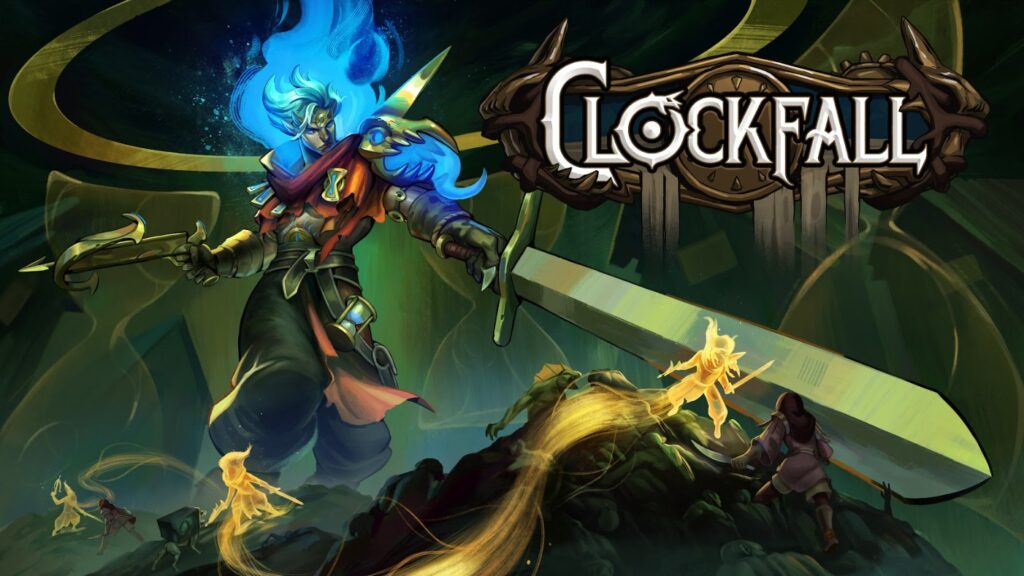
Clockfall is a hybrid dungeon crawler and village defense roguelite that does something genuinely uncommon: it uses time not as a cosmetic pressure mechanic but as the actual currency the entire game is built around. Every run has a literal clock. You spend that clock exploring dungeons, fighting enemies, and collecting resources — but doors cost time to open, detours cost time to take, and at the end of every run you take what time you have left back to your village to defend it from invasion. The more time you carry out of the dungeon, the longer your defense lasts, the more permanent upgrades you unlock, and the stronger your next run begins. It’s a loop with a design brain behind it, and at $9.99 in Early Access, it’s one of the more interesting roguelite launches of the year.
The game comes from Rever Games GmbH, a small independent team, published by Radical Theory — the same publisher behind Calame, another promising indie in this year’s line-up. The core is a dark fantasy isometric action-RPG: you fight your way through fixed-layout dungeon maps with melee weapons and spells, managing stamina and positioning against increasingly aggressive enemy waves, before returning to defend your village in a tower-defense phase. Both halves feed each other, and the design insight that makes it work is the fixed map layout — unlike most roguelites, Clockfall’s dungeon doesn’t randomise. You memorise it. Knowing where the time bonuses are, which routes are efficient, and when to push versus retreat becomes genuine knowledge that compounds run over run.

The Time Loop — How It Actually Works
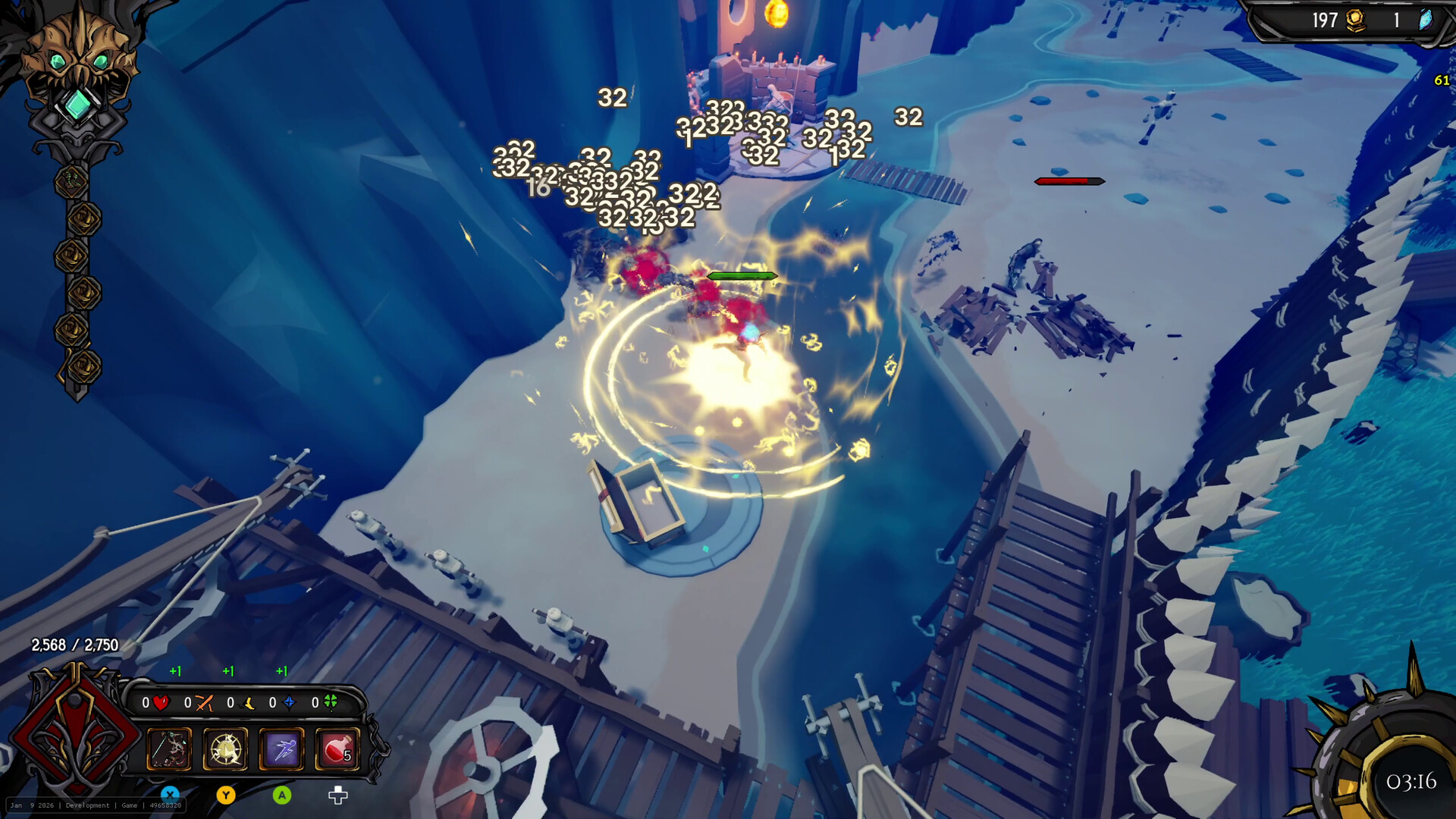
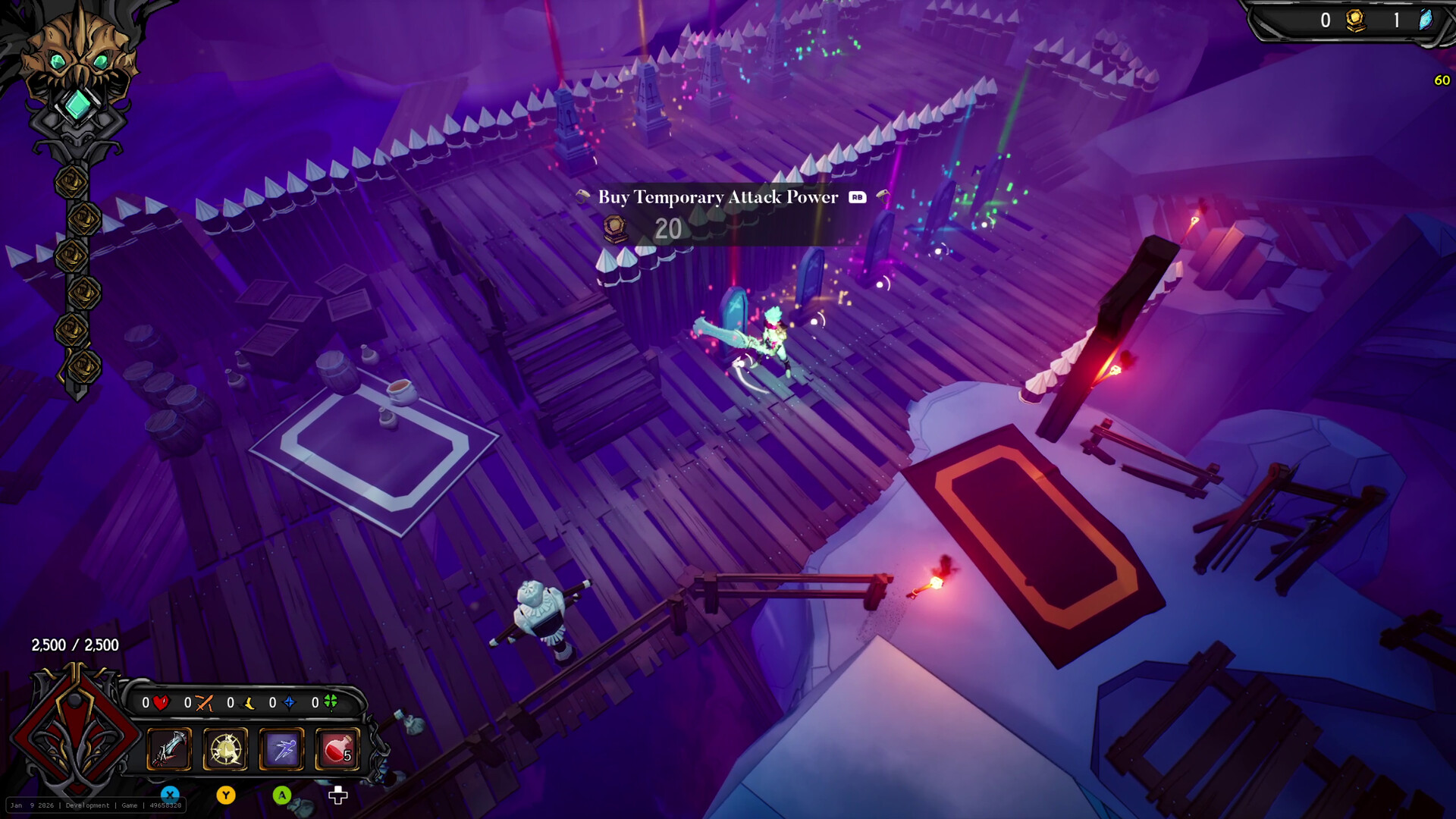
You start each run with a clock. That clock is ticking from the moment you enter the dungeon, and everything you do costs it — movement through some zones, opening certain doors, taking specific upgrades. Some objects and shrines give time back. Enemies drop resources. The meta-tension is not just “survive longer” but “how do I route this dungeon to maximise the time I carry out?” — which is a meaningfully different question from how most roguelites frame progression.
The map being fixed is the key design decision. In most roguelites, not knowing the layout is the obstacle. In Clockfall, knowing it is the reward. Early runs are exploratory and slow — you’re learning where things are, what routes exist, how much time each path costs. Later runs are tight, strategic speedruns through familiar territory, cutting corners you know are safe and prioritising bonuses you know exist. It’s a satisfying shift that gives the repetition purpose beyond raw character power accumulation.
Early Access Rough Edges — What Needs Work
Combat is functional and the weight of attacks is satisfying, but the animation lock system needs work. Getting committed to an attack animation without a fluid dodge-cancel option — in a genre where action-isometric crawlers like Hades have set a high bar for fluid, cancellable combat — makes the moment-to-moment fighting feel static in ways that don’t match the energy of the rest of the game. This is the most commonly cited area for improvement in the community, and it’s the right critique.
The meta-progression balance is the other friction point. The in-run currency serves double duty — you can spend it during a run to survive, or carry it out to invest in permanent upgrades between runs. In the early game, the pressure to spend in-run is high enough that you arrive back at the hub with very little to invest, which makes the permanent progression feel slower than the run-by-run momentum suggests. The developers are aware of this; the Early Access window is explicitly for this kind of balance work, and it’s the right priority for them to address first.


The Good, The Bad, & The Ugly
| The Good | The Bad | The Ugly |
|---|---|---|
| The Time-as-Currency ConceptUsing your clock as the resource you earn, spend, and carry between dungeon and defense phases is a genuinely original design decision. It gives every routing choice meaningful weight. | Combat Animation LockNo dodge-cancel on attack animations makes combat feel static compared to genre benchmarks. The weight of attacks is satisfying; the inability to escape a committed animation is not. Priority fix for updates. | Meta-Progression PacingEarly-game currency pressure means arriving at the hub with barely anything to invest permanently. Progression feels slower than the run momentum suggests. Known issue, being addressed. |
| Fixed Map That Rewards MasteryNot randomising the dungeon layout is a bold choice that pays off — memorising the map becomes a genuine skill that compounds over runs, making improvement feel earned rather than luck-dependent. | Content Volume at EA LaunchDungeons, weapons, and enemy types are limited at launch. The “just one more run” loop is strong enough to sustain engagement, but more content variety is needed to justify long-term play before 1.0. | |
| $9.99 for a Genuinely Interesting LoopAt this price, the design ambition and execution easily justify the ask. One of the stronger Early Access value propositions in the roguelite space this year. |
The Verdict
Race against time in this challenging dungeon crawler. Constantly strategize to survive and escape the loop. A solid mix of action and RPG elements keeps the adrenaline pumping. Clockfall has a design brain behind it that most Early Access roguelites don’t — the fixed map layout, the time-as-currency mechanic, and the dungeon-to-defense handoff are not features that emerged from a template. They’re deliberate ideas that work together. The combat needs fluidity work and the meta-progression needs balance, but both are exactly the kind of things that get fixed during a well-managed Early Access window. For $9.99, it’s an easy recommendation for roguelite fans who want to support something with genuine upside.
For more roguelite and Early Access coverage, check out our full reviews section.
Score Breakdown — Early Access Build
Buy on Steam — $9.99 (Early Access)