
Runeomicon is a rune-drawing defense game from TLR Games, published by Joystick Ventures. It launched on September 16 at $9.99 and sits at Positive on Steam — across a small 37-review sample, four days in.
Our verdict: Runeomicon brilliantly fuses real-time rune drawing with frantic defense mechanics, creating a tense ritual experience that demands both skill and quick thinking. It’s genuinely unlike anything else, and it has one difficulty problem it needs to solve.
The Drawing Had to Be Perfect, and It Is
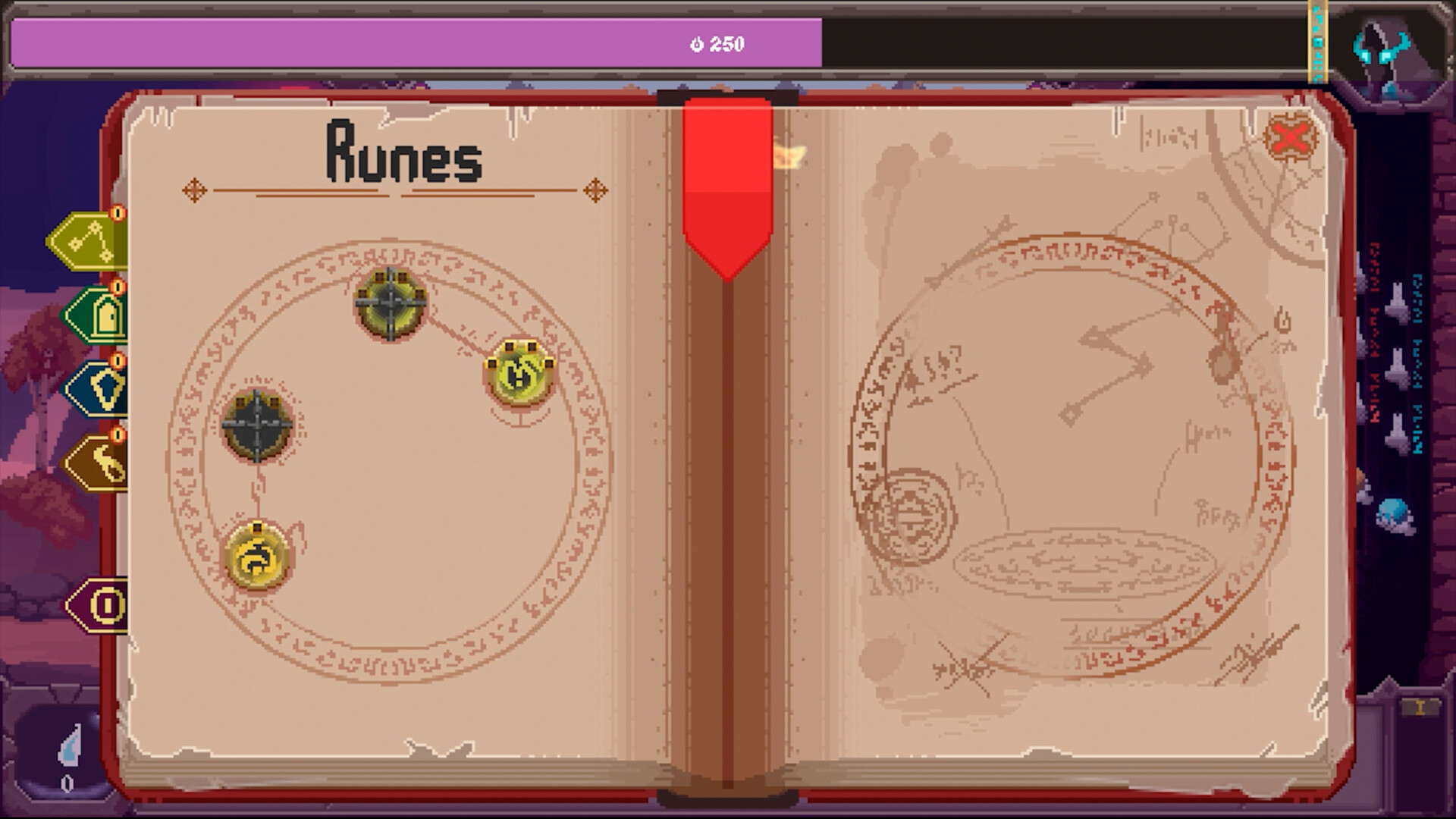
Intricate runes in real time. Every line channels power, every mistake has consequences.
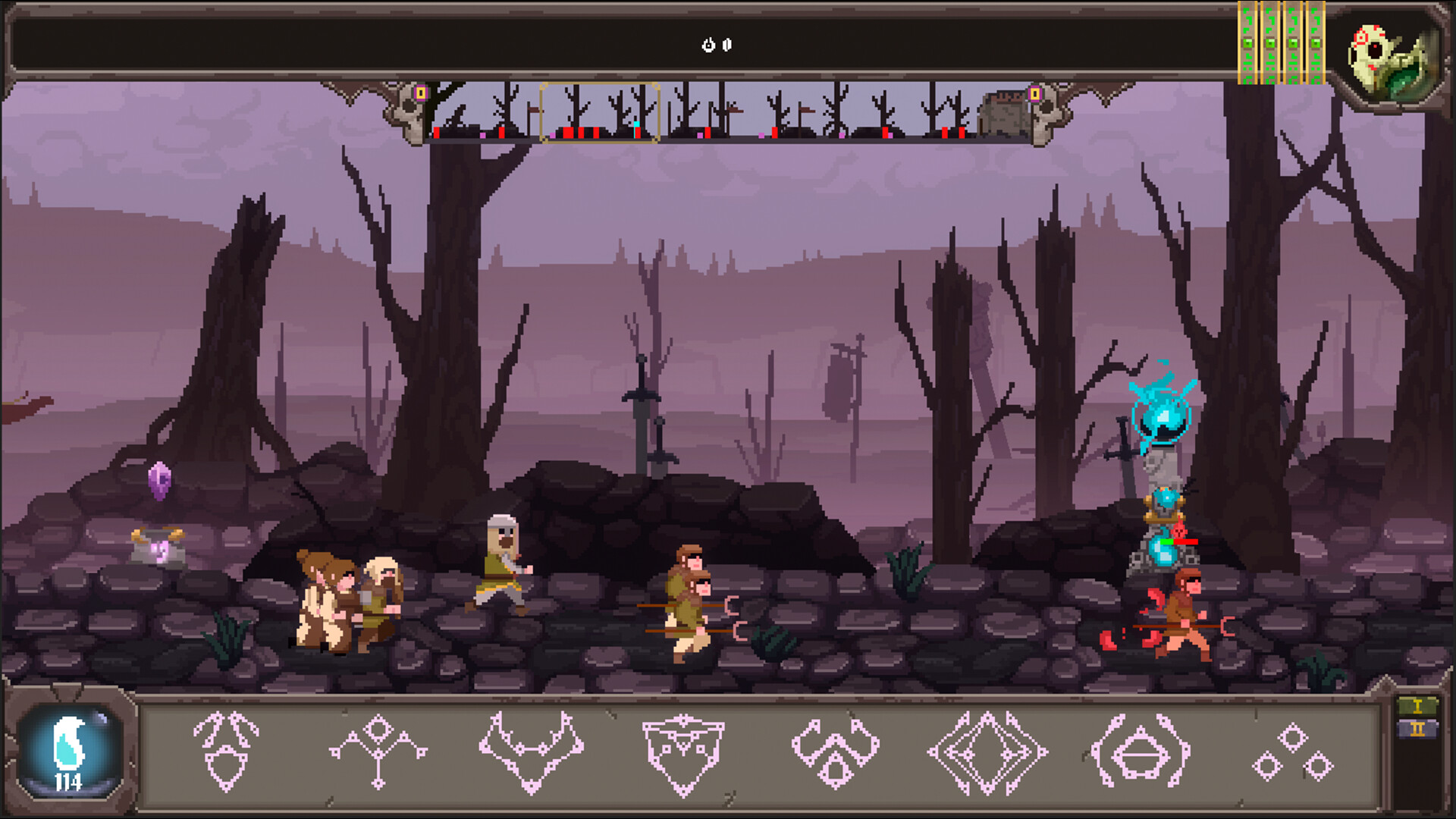
Unleash magic, summon creatures and hold the line as waves storm your sanctuary.
Six dark gods, each unlocking spells and abilities that reshape your whole strategy.
Branching paths that fortify defences, unlock skills, and make you draw faster.
One Resource Does Two Jobs
The design underneath is cleaner than the chaos on screen suggests. Every completed rune earns arcane energy — and that energy is simultaneously your win condition and your lifeline.
Spend it on spells and you survive the wave. Spend it on defences and you survive the next several. Spend it on upgrades and you draw faster forever. Or hold it, and advance the summoning. Every choice pulls power away from somewhere else, and the question the game keeps asking is simply: summon fast, or defend hard?
That’s an elegant piece of design. A single currency that’s both progress and survival means there’s no safe option — you’re never just managing resources, you’re always choosing which kind of risk to take.
The Difficulty Wall Is Real

Two Tips Worth Knowing Before You Start
It Respects Your Time With Words
Worth singling out, because it’s rare enough that a player made a point of it: Runeomicon explains itself briefly.
Their observation was sharp — “often indie games write too much instead of letting me do stuff. This game has felt good at letting the world tell me the story with light dialogue, and keeping explanations brief with more doing, less reading. While also having a place you can read details on stuff if you want to.”
That’s the right structure: terse by default, detailed on request. And the onboarding is praised on the same grounds — there are a lot of systems here, and the game introduces them gradually rather than front-loading a wall of tutorial text. For a game with this much to track, that restraint is a real achievement.
Things to Know Going In
The Good, The Bad, & The Ugly
| The Good | The Bad | The Ugly |
|---|---|---|
| A Mechanic Nobody Else HasReal-time precision drawing under siege isn’t a twist on tower defense, it’s a different skill entirely — mouse control and image recognition, dressed as occult ritual. One player said they’d “never played anything quite like it,” and that’s fair. | Upgrades Are Slow to Pay OffImprovements take a while to produce a noticeable difference, which blunts the reward loop exactly when you most need encouragement — during the difficulty spike. | The Level 3 Wall“Level 1 and 2 feel great, but level 3 is like a kick to the teeth.” Rune complexity escalates in steep steps, and at least one player was locked out of a story they were invested in. The barrier is dexterity, not strategy — which makes it much harder to train past. |
| The Drawing Is AccurateThe one thing that could have sunk this game. Players describe it as fluid, responsive and — crucially — precise, so failures feel like yours rather than the recogniser’s. Everything else rests on this and it holds. | The Curse System Isn’t ExplainedA player admitted they genuinely don’t know what “weight defence” means. In a game otherwise praised for brevity, this is one place where a few more words would help. | Green and Yellow Are Hard to DistinguishFlagged by a player when selecting shrines — and with no accessibility features listed at all, there’s no option to work around it. A palette tweak would cost almost nothing and matter a great deal to some players. |
| One Currency, Two JobsArcane energy is both your win condition and your survival resource, so there’s never a safe spend. Summon fast or defend hard is a genuinely good question to have to keep answering. | Clumsy TyposNoted by a player who otherwise called the writing competent and well-paced. Cheap to fix, and worth fixing in a game whose text is otherwise this disciplined. | Mouse Only, Deck UnknownNo controller support listed, no accessibility options, and no confirmed Steam Deck rating — on a game whose core input is precise drawing. If you play handheld or on a laptop trackpad, this isn’t for you. |
| It Says a Lot With Few WordsPlayers specifically praised the restraint — light dialogue, brief explanations, more doing and less reading, with detail available if you want it. Gradual onboarding too, despite a genuinely dense system count. | Unnamed Lair RoomsNavigating your own unlocks is harder than it should be because the rooms aren’t labelled. Small UI gap, easy win. | —Nothing else recurs. No crashes, no performance complaints, no broken systems — a 1 GB game that runs on anything and works. |
The Verdict
Runeomicon is doing something genuinely new, and it’s doing the hard part well. Building a game around real-time precision drawing means the input handling has to be flawless or the whole thing becomes an argument with your cursor — and it isn’t. The drawing is accurate, the runes get gorgeously elaborate, and there’s a real moment somewhere in the middle where you stop tracing shapes and start feeling like you’re actually casting something.
The economy underneath is smart too. Making arcane energy both the win condition and the survival resource means every decision costs you somewhere else, and the summon-fast-or-defend-hard question stays interesting for the whole run. Add six gods that each reshape your approach and there’s real strategic range here for ten dollars.
The problem is the curve. Rune complexity climbs in steps rather than a slope, and level three is where a lot of people will hit a wall — not because they don’t understand the game, but because their hand can’t keep up yet. That’s a narrower skill than most difficulty settings account for, and the player asking for a mode that slows rune escalation specifically is asking for the right thing.
The rest is polish: typos, an unexplained curse system, unnamed rooms, and a green-yellow clash that should be fixed on accessibility grounds alone given there are no options to work around it. TLR are patching within days of launch, which is the best sign you can have about a list like that.
The honest read: play the demo first, and don’t skip that step. This is a game built on a physical skill, and no amount of reading will tell you whether drawing shapes at speed is satisfying or stressful for you. If it clicks, ten dollars for something this original is an easy call — and stay in the level when you fail, because the runes won’t reshuffle.
For more game reviews, check out our full reviews section.