



The Coma series has quietly built one of the more consistent track records in indie horror. From the halls of Sehwa Private High School in the original game, through the expanded nightmare of Vicious Sisters, and into the branching darkness of Catacomb, Dvora Studio has steadily refined a formula built on Korean folklore, relentless tension, and some of the best 2D horror art in the genre. The Coma 3: Bloodlines arrives as the series’ promised conclusion — and it delivers exactly what long-time fans have been waiting for: a satisfying, layered finale that earns its narrative payoffs.
This is also an entry that reaches beyond the fanbase. With three playable characters, new locations outside the familiar Sehwa campus, new combat options, and four distinct bosses from the cursed history of the Coma dimension, Bloodlines is the most ambitious and content-rich chapter Dvora Studio has produced. It arrives with some rough edges, but the atmosphere, art direction, and story resolution make it easy to forgive them.

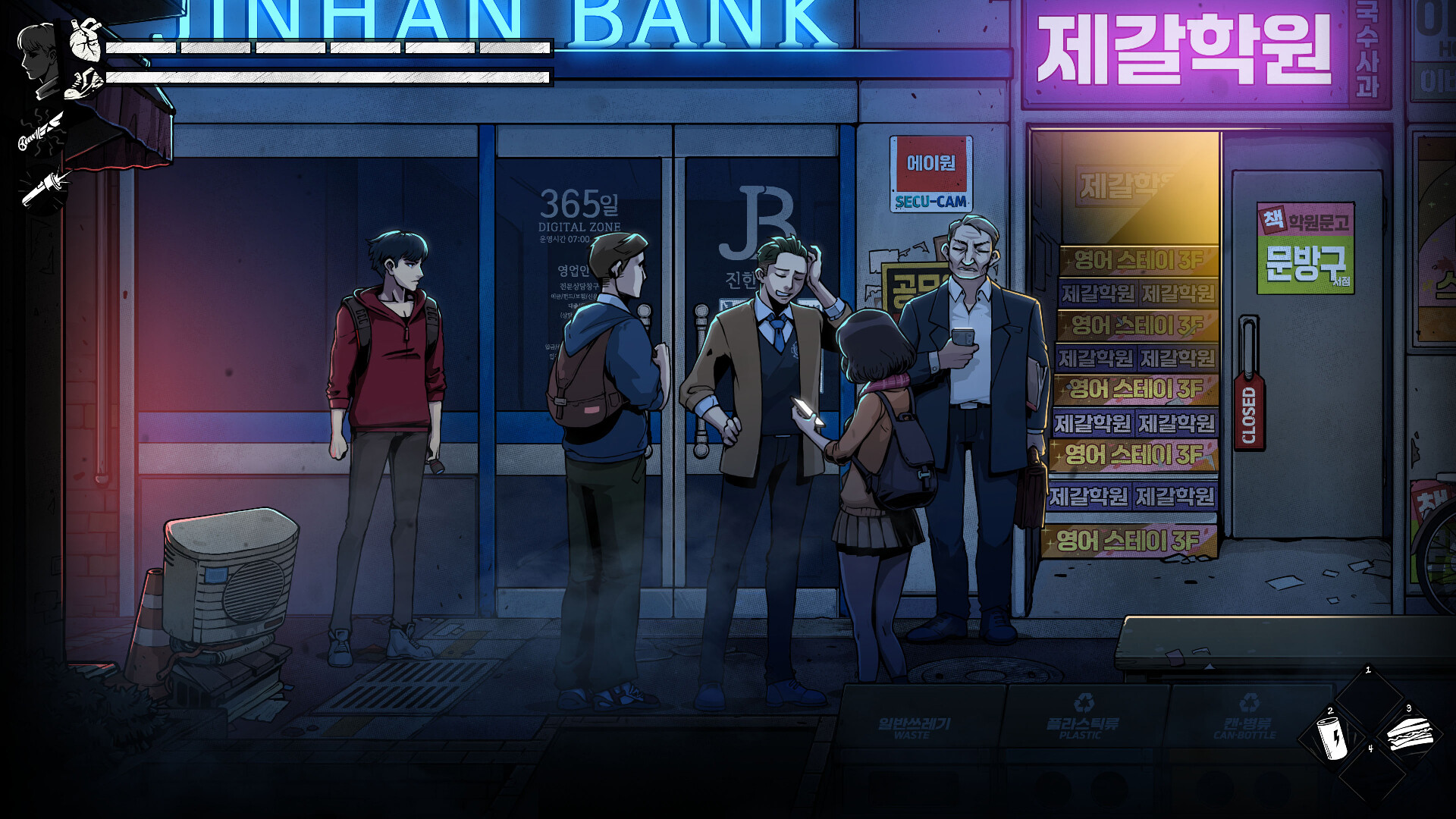
Bloodlines follows three characters — Youngho, Mina, and Jihyun — as they’re pulled into the Coma dimension, the shadowy mirror-world that has haunted Sehwa High and its surrounding district since the very first game. For the uninitiated: the Coma is a nightmare realm where urban legends and supernatural forces take physical form, and where death means permanent spiritual severance from the living world. It’s a high-stakes setting that the series has always used well, and Bloodlines leans into its lore more deeply than any previous entry.
Crucially, this is the game where the Ghost Vigilantes — a shadowy faction lurking in the franchise’s background since the beginning — finally step into the light. Long-running threads around the Sehwa Foundation, the origins of the Coma itself, and the connections between past events and present danger all converge here in ways that reward players who’ve followed the series. Newcomers can still engage with the experience, but Bloodlines is most powerful as a culmination — a finale that earns its revelations through accumulated history.
The most significant structural addition to Bloodlines is its three playable characters, each bringing distinct strengths, weaknesses, and play styles to the same nightmare. Youngho, Mina, and Jihyun each interact with the Coma differently — from stealth-focused evasion to more direct confrontation — and switching between them as the story demands adds a welcome layer of variety to the classic run-and-hide formula the series is built on.
This character rotation is one of Bloodlines’ best ideas in theory, though in practice the constant swapping can occasionally disrupt narrative immersion. Building investment in one character only to shift perspective just as the tension peaks takes some adjustment. Fans who embrace the rotating structure will find it keeps the experience fresh across the full runtime; those who prefer single-protagonist continuity may take a session or two to settle in.
The addition of an active combat system is another meaningful new feature. While run-and-hide remains the default approach and the heart of the experience, the ability to actually fight back in select situations adds a layer of agency that makes dangerous encounters feel less passive. Four bosses from the cursed history of the Coma dimension each require different approaches and attack pattern reading, providing the kind of set-piece horror moments the series has always hinted at but never quite delivered at this scale.
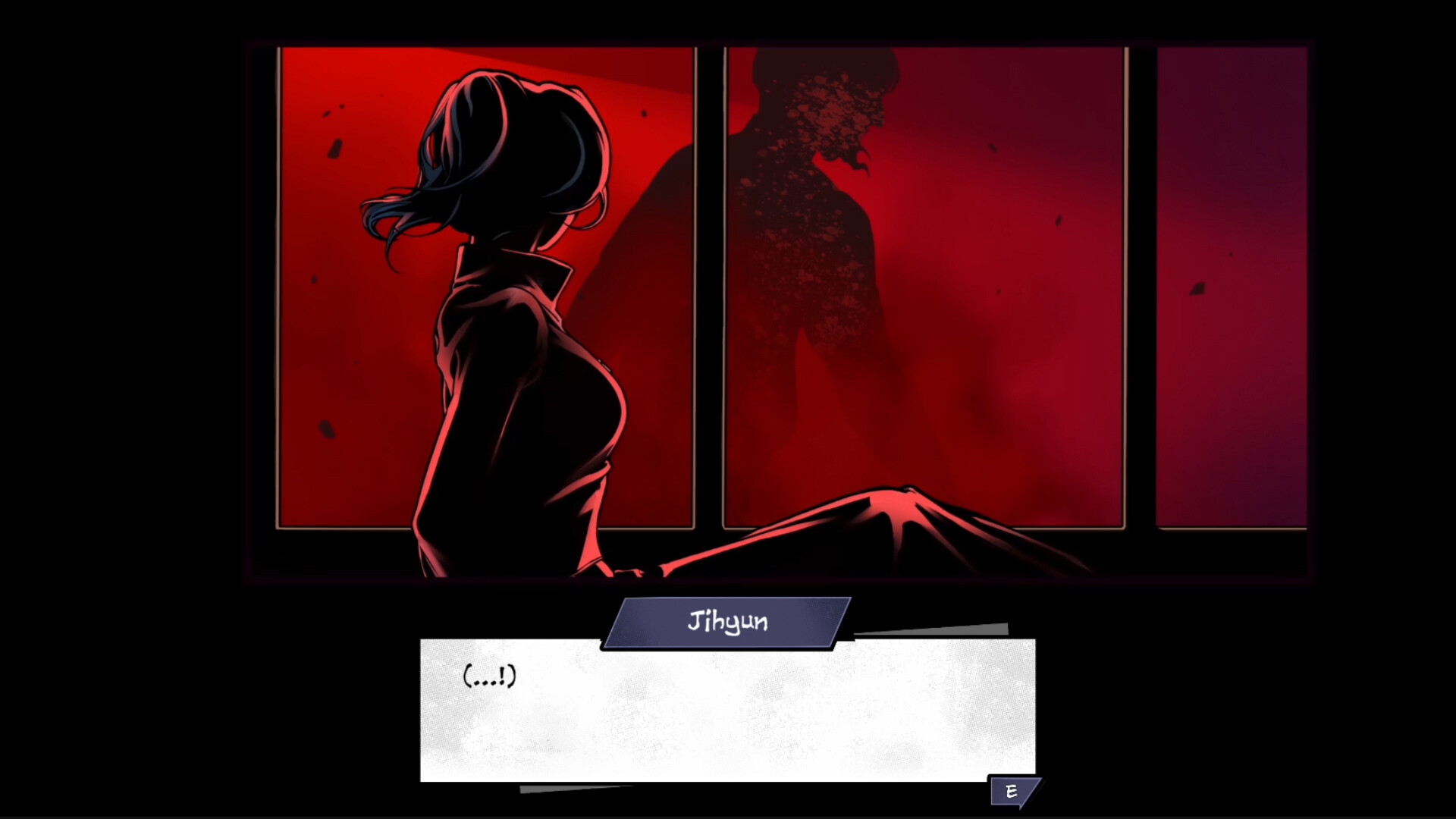
If there’s one area where Dvora Studio has never disappointed across the Coma series, it’s visual presentation. Bloodlines continues that tradition with artwork that’s simply gorgeous — expressive character designs, richly atmospheric environments, and lighting that makes the Coma dimension feel genuinely alien and threatening. Leaving the familiar school setting for new locations across Seoul’s districts gives the art team room to stretch, and they take full advantage of it.
The grounding in Korean folklore and urban legend remains one of the series’ most distinctive qualities. Where most Western horror games draw from familiar Anglo-American traditions, the Coma series has always rooted its dread in specifically Korean occult history, ghost stories, and cultural mythology. Bloodlines deepens this further, and the result is horror that feels genuinely unfamiliar — strange in ways that Western survival horror rarely manages. Nostalgic touches for series veterans, such as finding CDs from earlier games and playing their original music, add warmth to an otherwise cold nightmare world.
The most consistent criticism levelled at Bloodlines by early players is enemy placement and aggression. Enemies — particularly in the compact, enclosed spaces the game’s new design emphasises — can camp aggressively near exits and respawn points, creating situations where progress is blocked before the player can react. When multiple threat types converge on the same tight corridor simultaneously, it tips from tense into unfair.
This isn’t a fatal flaw, and Dvora Studio’s track record of responding to community feedback suggests patches will address the worst offenders. But it’s a meaningful friction point in a game where the run-and-hide tension is supposed to feel nerve-wracking rather than arbitrary. Players who find themselves stuck on a particularly aggressive stretch are encouraged to experiment with character switching and different route approaches — Bloodlines generally offers more flexibility than the frustration of a bad run suggests.
| The Good | The Bad | The Ugly |
|---|---|---|
| Satisfying Series ConclusionLong-running mysteries around the Ghost Vigilantes, the Sehwa Foundation, and the Coma’s origins finally pay off in deeply satisfying ways for series veterans. | Aggressive Enemy CampingEnemies positioned directly outside doors and respawn points can create situations that feel unfair rather than tense — the most pressing balance issue at launch. | Character Swap DisruptionForced character rotation occasionally interrupts momentum and narrative immersion at exactly the wrong moments. |
| Outstanding Art DirectionSeries-best visual presentation across new Seoul locations, with atmospheric lighting and expressive character designs that make every screen feel hand-crafted. | Rough for New PlayersWithout prior series knowledge, many of Bloodlines’ most impactful story moments land with significantly less weight. This is a finale first, a standalone second. | |
| New Combat and Boss FightsActive combat options and four distinct bosses with unique attack patterns add meaningful variety beyond the pure run-and-hide formula. | ||
| Authentic Korean Horror AtmosphereDeeply rooted in Korean folklore, occult history, and urban legend — horror that feels genuinely distinctive and unfamiliar in the best possible way. | ||
| Exceptional ValueA feature-rich series finale at $11.99 during the introductory period — outstanding value for both returning fans and horror enthusiasts new to the series. |
The Coma 3: Bloodlines is exactly the conclusion this series deserved. Dvora Studio has gone bigger in every dimension — more characters, more locations, more combat, more story payoffs — while preserving the tense, atmospheric run-and-hide horror that made the franchise worth following in the first place. The art direction is the best in the series. The lore resolution is genuinely satisfying. The Korean occult atmosphere remains one of the most distinctive and underappreciated qualities in indie horror.
Enemy balancing at launch and the occasionally disruptive character swap pacing prevent it from being a clean 9. But at under $12 during its introductory period, Bloodlines is an easy recommendation — both as a series conclusion and as a strong entry point into Dvora Studio’s haunted world. The nightmare ends here. It ends well.