


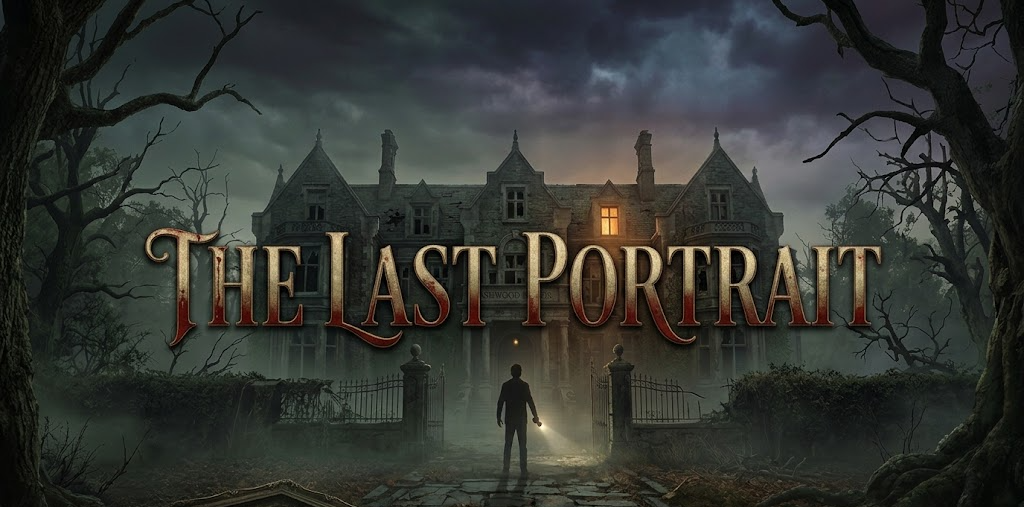
THE LAST PORTRAIT is a first-person horror puzzle adventure from LOCKDOWN Adventures set in the abandoned Ashwood Manor — a crumbling English estate whose former owner, the reclusive art collector Edgar Ashwood, mailed his lawyer Miles Thorne a letter from beyond the grave requesting the house be burned to the ground. You are Thorne. You go anyway, because the house is worth a great deal of money and you have no intention of setting it on fire. What follows is a slow, atmospheric investigation through locked rooms, layered lore, and puzzles whose difficulty ranges from satisfying to genuinely obtuse — with an underlying ghost story that is, chapter by chapter, considerably better than you might expect a game at this price to deliver.
The comparison to Resident Evil is inevitable and fair. The mansion layout, the typewriter save system, the item management, the sense of exploring a space and slowly understanding its architecture — all of it draws from the same well. The difference is that THE LAST PORTRAIT tells a genuinely mournful human story about a woman named Isadora who was imprisoned in her own attic by a husband who loved her and was terrified of her, and that story unfolds across diary entries, letters, and notes that give the horror real emotional weight rather than just atmosphere.

The Story — Better Than It Needs to Be
THE LAST PORTRAIT’s strongest asset is its narrative, which earns its horror through character rather than jump scares. Edgar Ashwood’s descent from loving husband to terrified jailer, told through his diary entries, is genuinely unsettling because it is sympathetic — a man who believed something had taken hold of his wife, who may or may not have been right, who locked her in an attic to protect the world from her, and who took his own life consumed by guilt. Isadora’s parallel diary, found much later, tells the same story from inside the attic — and it is harrowing. The emotional payoff of reading both sides of that relationship is the game at its best, and it is substantial enough to carry a player through considerable puzzle frustration to reach it.
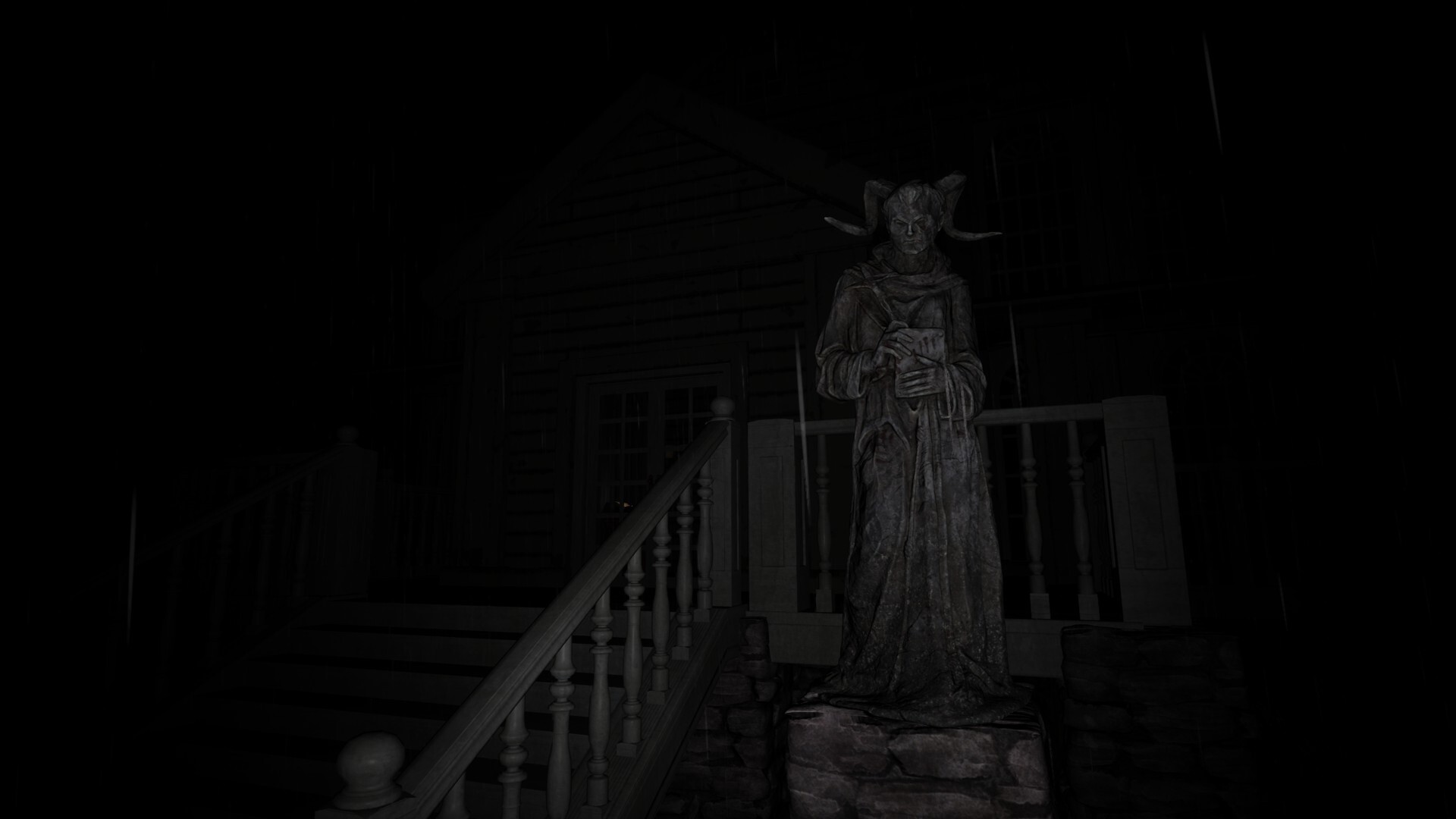
The haunting mechanics — statues that move when you’re not looking, Isadora’s ghost appearing at windows and corners, the soundscape shifting as you explore deeper — support the story without overwhelming it. The game’s atmosphere is genuinely effective, built on restraint rather than constant shocks, and the manor itself feels like a real place with a real history rather than a horror set.

The Puzzle Design — The Game’s Central Problem
The puzzle design is where THE LAST PORTRAIT most consistently fails to match its ambitions. The core issue is not that the puzzles are too hard — it is that too many of them are under-signposted in ways that have nothing to do with their intended challenge. The distinction matters: a difficult puzzle with clear rules that rewards attention is satisfying. A puzzle where the player cannot find the solution because a critical visual clue is not highlighted, the relevant information isn’t in the journal, and there is no in-game indication that looking at a specific exterior window from outside the building is the required step — that is a design problem, not a difficulty level.
Multiple reviewers independently reach the same wall: the birdhouse combination lock in the early game, the light-switch window puzzle in the mid-game, the safe combination requiring a specific order of the paintings that isn’t communicated until you contact the developer directly. In each case, the puzzle’s logic is coherent in retrospect — but reaching that retrospective requires either exhaustive trial-and-error or luck. The game lacks two things that would significantly improve the experience: interactable items that visually indicate they can be picked up or examined, and a journal system that stores relevant clues automatically rather than requiring players to memorise everything they read in every room.
The Technical Concerns
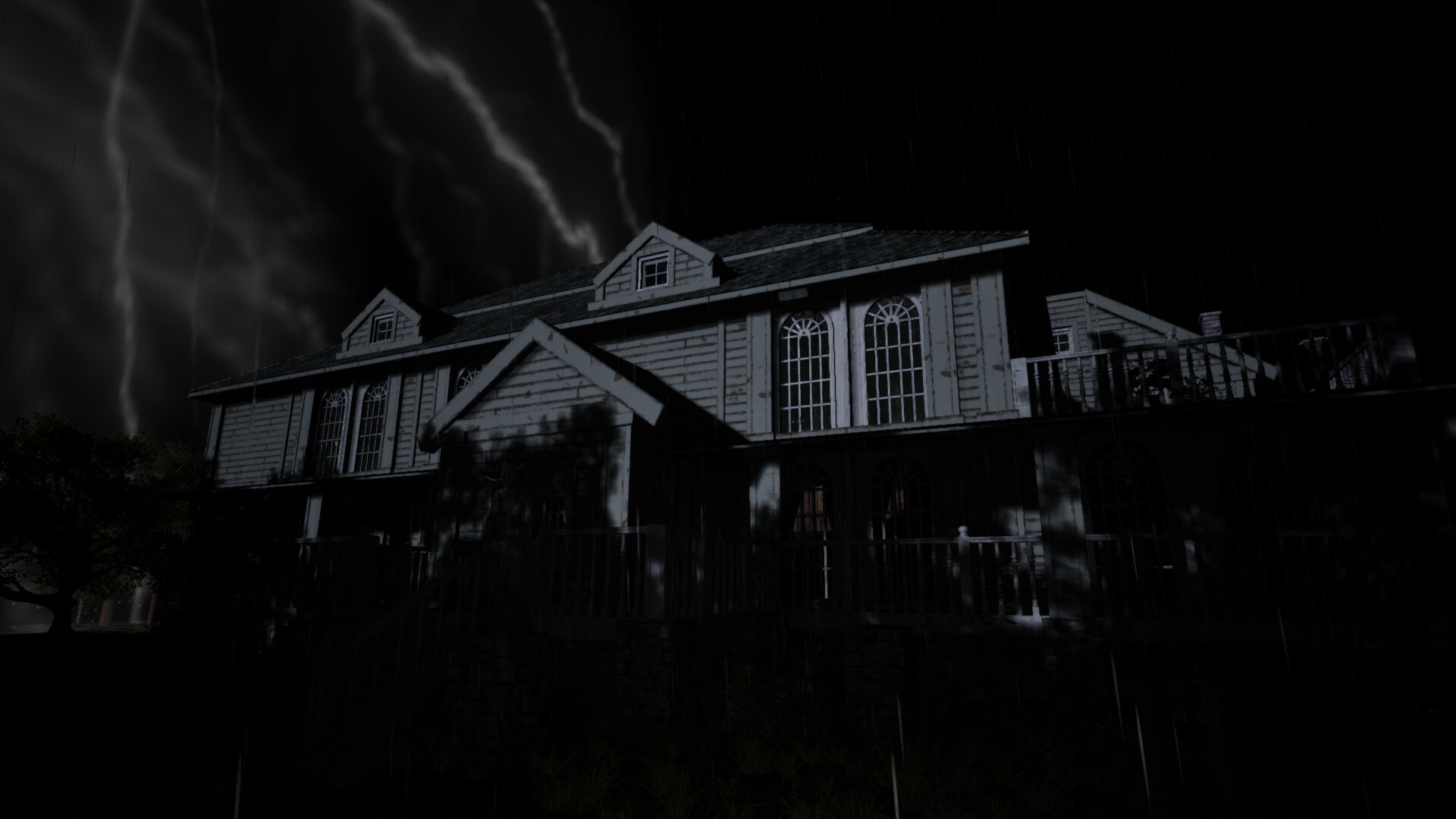
The developer has disclosed that some store page graphics and certain in-game imagery and audio elements were created with AI assistance. This is worth knowing going in, though the game’s overall presentation — the manor architecture, the voice narration, the writing — reflects genuine craft. The stamina system, which limits how long you can run across the large manor, is a consistent point of friction: the house is large, the stamina depletes quickly, and the recharge is slow, turning backtracking into a patience exercise rather than an exploration one. Steam Deck is listed as unsupported.


The Good, The Bad, & The Ugly
| The Good | The Bad | The Ugly |
|---|---|---|
| The Story Is Genuinely MovingEdgar and Isadora’s story — told across diary entries, letters, and environmental details — is better written than most horror games at any price point. Isadora’s attic diary is harrowing. | Puzzle Signposting Is InconsistentToo many puzzles require information or observations that are not adequately signalled. The line between “intended challenge” and “design gap” is crossed multiple times, and the lack of a journal that stores clues compounds this. | Stamina System Against a Large MapQuick depletion, slow recharge, and a manor with significant backtracking creates a tedious traversal rhythm. Either shorter recovery or item-prompt highlights on the minimap would address this meaningfully. |
| Atmosphere That Earns Its HorrorMoving statues, Isadora’s ghost, careful sound design, and a manor that feels genuinely lived-in and abandoned. The game builds dread through restraint rather than cheap shocks. | No Interactable Item HighlightingPlayers cannot easily identify which objects in the environment can be picked up or examined. In a game with a large, dense manor full of props, this causes significant friction and unnecessary backtracking. | AI Content DisclosureStore page graphics and some in-game imagery and audio use AI generation. Disclosed by the developer, but worth noting for players with preferences about this. |
| Voice Narration Adds CharacterMiles Thorne narrating his reactions and observations gives the exploration a personality that most first-person horror games lack. It makes the solo experience feel inhabited. | Stamina System Slows the PacingIn a puzzle game that requires revisiting rooms frequently, a stamina bar that limits running across a large environment is the wrong design choice for this genre. |
The Verdict
Step into the eerie Ashwood Manor, solve puzzles, and confront the lingering spirits. A chilling adventure that keeps you on edge with its haunting atmosphere and tricky challenges. THE LAST PORTRAIT is a game that earns genuine emotional investment through its story and atmosphere, then loses some of it to puzzle design that too often relies on undisclosed logic and missing interface feedback. The story of Edgar and Isadora deserves to be finished — it is that good — and patient players willing to accept the friction will find something worth their time inside this manor. For everyone else: the game needs a patch that adds interactable highlighting, better clue journaling, and a stamina rebalance before it can be recommended without caveats.
For more game reviews, check out our full reviews section.