Set Phasers to “Dumb”
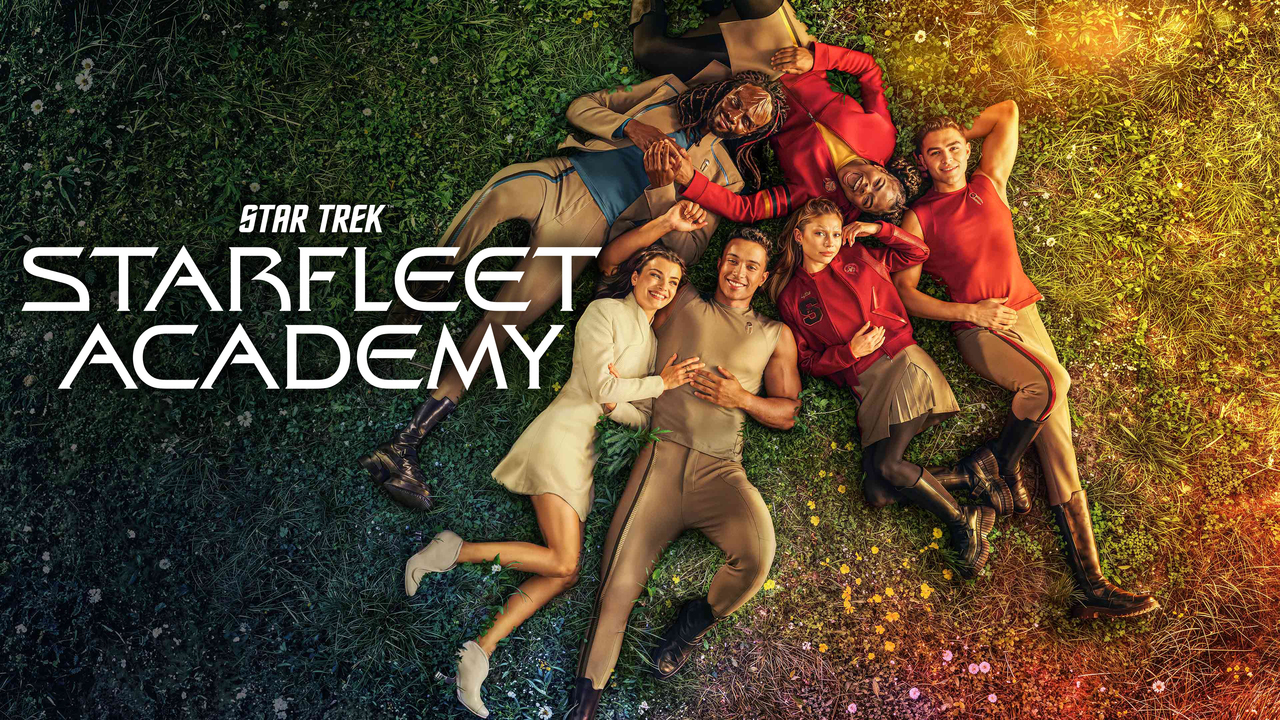
“Do you just want to hate Star Trek?” That is the question fans of the Gene Roddenberry universe have been asking themselves for nearly a decade. Under the stewardship of Alex Kurtzman, the franchise has seen highs (Picard Season 3) and abysmal lows. Now, arriving in 2026 as potentially the final chapter of the Kurtzman era, comes Star Trek Starfleet Academy.
Set in the 32nd Century—800 years after The Next Generation and following the events of Discovery—the show promises a fresh start. It is a time of rebuilding the Federation. But instead of the high-minded sci-fi, naval diplomacy, and moral conundrums that defined the golden age of Trek, Starfleet Academy delivers what can only be described as “The CW in Space.”
It is a show obsessed with modern slang (“rizz” is used unironically), love triangles, and dorm-room drama, wearing Star Trek’s skin but lacking its soul. While the pilot offers some visual spectacle and a chewing-the-scenery villain, the series quickly nose-dives into a black hole of teenage angst.
The Pilot: A False Hope?
The first episode is, surprisingly, not a total disaster. In fact, it does a decent job of tricking you into thinking this might be good. The budget is clearly massive. The visual effects for the USS Athena and the space battles are crisp, even if the ship designs lean too heavily into the “floating components” aesthetic of the far future.
The Highlights:
- Paul Giamatti: As the villain, he is the undisputed MVP. He plays a space pirate/scavenger with a theatrical flair that is genuinely entertaining to watch. He whistles, he taunts, and he brings a gravity to the screen that the young cast lacks.
- Holly Hunter: Playing the Chancellor/Captain, Hunter brings a quirky energy to the role (literally sitting upside down in the captain’s chair). Her backstory, tied to a decision that separated our main character, Caleb, from his mother, provides a decent emotional hook.
- The Setup: The premise of a 32nd Century Starfleet recruiting outcasts—including a science-minded Klingon and a female Jem’Hadar—is an interesting expansion of the lore, justified by the massive time jump.
The Crash:
However, the pilot falls apart in its final moments with a plot hole so large you could fly a Borg Cube through it. After a climactic battle where the cadets rally to save the ship using their specific skills (including a shape-shifting “Blue Guy” moment), Giamatti’s villain escapes in a slow-moving pod. Despite Athena having advanced sensors and weapons, the crew simply… forgets him? No one fires. No one tracks him. He just drifts away while doing a mocking Vulcan salute. It is lazy writing designed to keep the villain alive for the season, sacrificing logic for convenience.
Episode 2: The CW Effect
If the pilot was a mixed bag, Episode 2 is where the show reveals its true colors. The plot centers on a diplomatic mission to bring the isolationist Betazoids back into the Federation. In classic Trek, this would involve tense negotiations, cultural misunderstandings, and political maneuvering.
In Starfleet Academy, it involves a date at an aquarium.
The diplomacy is sidelined for a teen-romance plot in which Caleb (the generic “hacker with a heart of gold”) tries to woo the Betazoid princess. The dialogue is painful, filled with modern 2020s vernacular that shatters immersion. We are 1,000 years in the future, yet characters speak like current-day TikTok influencers.
The resolution to the conflict is the nail in the coffin. The diplomatic crisis isn’t solved by compromise or logic; it’s solved by Caleb apologizing to the princess for not trusting her. This leads to a scene where the Betazoid leader agrees to rejoin the Federation, followed by a literal “slow clap” from the students. It is a level of cringe that makes Riverdale look like Shakespeare.
The Characters: A Gen-Z Bridge Crew
The cast is aggressively diverse, which fits the Star Trek ethos, but the writing fails them completely.
- Caleb: The protagonist. He’s a “chosen one” hacker searching for his mom. His motivations are understandable, but his “too cool for school” attitude wears thin.
- The Klingon: Surprisingly, one of the better characters. A pacifist Klingon interested in science is a fun subversion of the trope, though the show seems unsure what to do with him.
- The Jem’Hadar: Lore-breaking (female Jem’Hadar didn’t exist in DS9), but acceptable given the 800-year gap. However, she is written mostly as “loud and angry.”
- The Hologram: An annoyingly bubbly character who serves as comic relief but mostly induces headaches.
The show is more interested in who is kissing whom than in exploring the cosmos. It feels less like a military academy training officers and more like a high school with phasers.
Breakdown: The Good, The Bad, & The Ugly
| The Good | The Bad | The Ugly |
| Paul Giamatti: He is having a blast as the villain, chewing scenery and providing the show’s only real charisma. | The Writing: Dialogue is stuffed with modern slang (“rizz,” “dick”), making it feel dated instantly rather than futuristic. | The “Slow Clap”: The resolution to Episode 2’s diplomatic crisis is one of the most cringe-inducing moments in franchise history. |
| Visuals: The show looks expensive. The ship CGI and environments are high-quality (mostly). | The “Drama”: Forced love triangles and teen angst take precedence over sci-fi concepts or plot logic. | The “Slow Clap”: The resolution to Episode 2’s diplomatic crisis is one of the franchise’s most cringe-inducing moments. |
| Holly Hunter: She brings a unique, weird energy to the Captain’s chair that is at least interesting to watch. | The Plot Holes: The villain escapes in the pilot because the entire bridge crew apparently went blind for 30 seconds. | Lore Disregard: While the time jump explains some changes, the “modernization” of the universe strips it of its identity. |
Star Trek: Starfleet Academy: Star Trek: Starfleet Academy is a show made for no one in particular. It is too vapid for legacy Star Trek fans who crave intellectual sci-fi, and it is likely too derivative to capture the general Young Adult audience it desperately craves. It represents the worst impulses of "New Trek": prioritizing emotional outbursts over professional competence, using mystery-box storytelling (the "Teacher" villain), and disregarding the internal logic of the universe. While Paul Giamatti tries his best to save the show through sheer force of acting, he cannot overcome a script that thinks a slow clap is a satisfying dramatic conclusion. If this is the future of Starfleet, the Federation is doomed. – Asmodeus