
SILENT HILL: Townfall is a full-length, self-contained psychological horror from Screen Burn, published by KONAMI and Annapurna Interactive. You play Simon Ordell, called back to the island town of St. Amelia to “put things right” — and it’s the first full-length Silent Hill played entirely in first person.
We spent 11 hours in St. Amelia. Our verdict: Silent Hill: Townfall masterfully weaves tense evasion and cerebral puzzles into a gripping descent through St. Amelia’s haunting mysteries — but it’s held back by frustrating stealth design, an ending system at war with its own combat, and spotty PC performance. That split is reflected on Steam, where it sits at Mixed, while critics have been kinder at 81 on OpenCritic.
Atmosphere You Won’t Forget
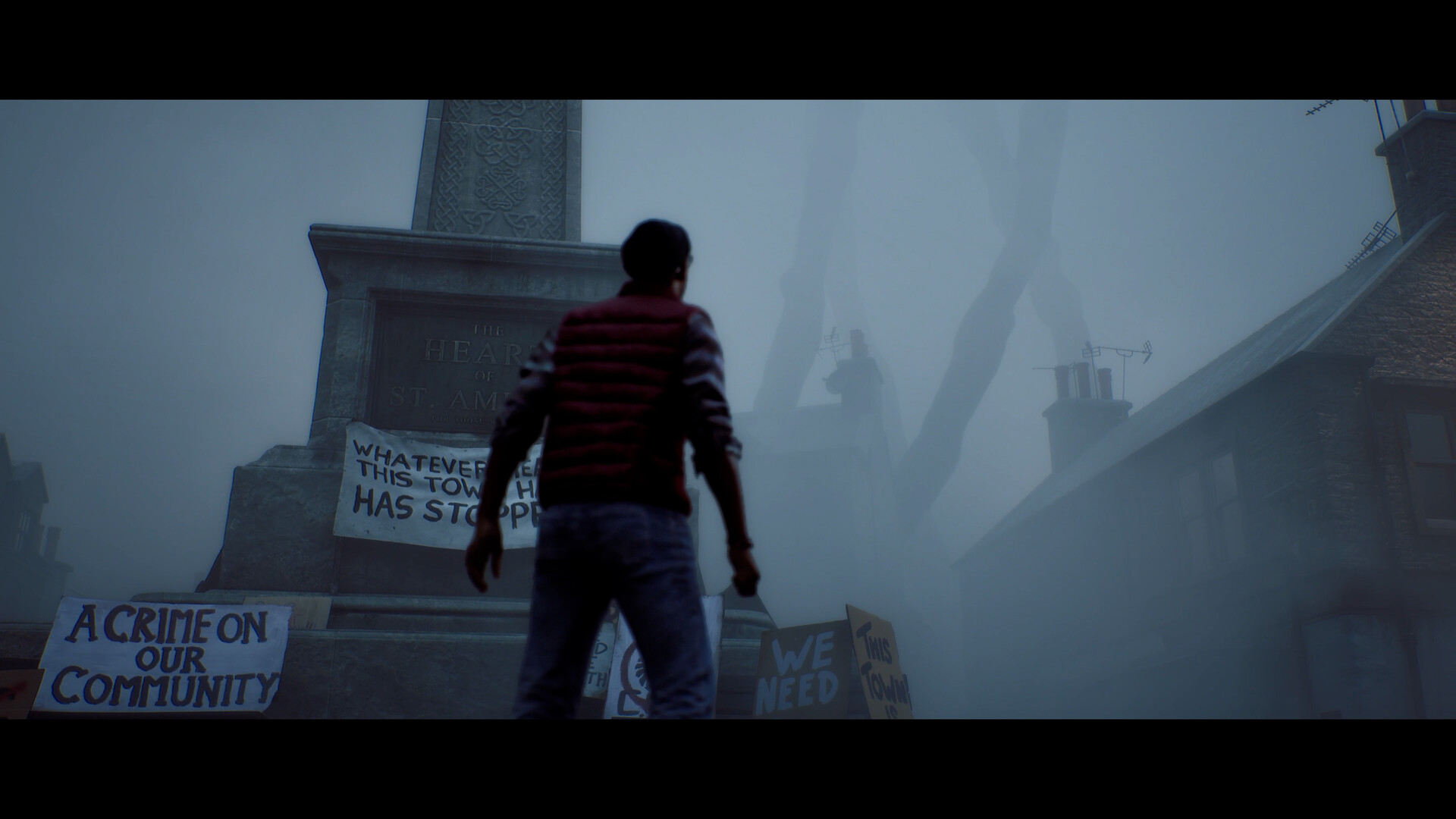
This is where Townfall is untouchable. Moving Silent Hill to a cold Scottish island in 1996 was a bold choice, and it pays off completely. The fog-soaked streets, abandoned communities and shifting weather are some of the most beautiful horror environments in years — and the attention to detail is remarkable. Players describe stopping to read the posters, papers and notices pinned to St. Amelia’s walls.
Then there’s the otherworld: harsh, deep red, everything bathed in a crimson glow that makes you feel watched from above. The sound design is exceptional — every creak, signal and cry pulls danger closer — and Pilotpriest’s fully dynamic score builds and recedes with the ebb and flow of stealth and action. Plenty of players who disliked the gameplay still called the atmosphere and audio the best thing about it. It doesn’t matter that it isn’t set in Silent Hill itself; St. Amelia captures the series’ spirit perfectly.
The CRTV and the Puzzles
Stealth, Combat and The Weight
Expect to spend a lot of time crouching, leaning around corners and waiting for a path to clear. Your stealth tools are limited — rocks and bottles to throw (which reportedly need to land quite close to an enemy), and radios in some areas you can switch on as a distraction. Some players loved the tension; others called it a hiding simulator.
Combat exists but feels secondary — boards and pipes for melee, plus a revolver, a flare gun and a shotgun. Some found they could fight or outrun most threats; others found ammo scarce and the revolver weak. Enemy variety is a common complaint too, especially for a coastal town that seemed ripe for stranger, nautical designs.
⚠️ Ending mechanics — click to reveal (no story spoilers)
If you care which ending you get, play as non-violently as you can and explore thoroughly. If you don’t, fight freely — and know that, in classic Silent Hill tradition, there are joke endings to chase on later playthroughs too.

The Story
Most players found the story the thing that kept them going — tight, tragic and full of intrigue, with strong voice acting and cinematic presentation. Many say they wanted to see it through even when the gameplay frustrated them.
It isn’t without criticism. Attentive players report guessing the central twist early, and one felt Simon himself stays oddly distant — less clear about events than the player, and less developed than the characters around him. Rushing through also seems to hurt: several reviewers stress that this is a game that rewards reading every note and listening to every signal.
Performance and Technical Issues
Things to Know Going In
The Good, The Bad, & The Ugly
| The Good | The Bad | The Ugly |
|---|---|---|
| World-Class AtmosphereFoggy 1996 Scotland, a crimson otherworld, exceptional sound design and Pilotpriest’s dynamic score. Silent Hill to its core. | Stealth That DragsLots of crouching and waiting, few tools to manipulate enemies, and distractions that need to land very close to work. | An Ending System at War With the CombatThe game hands you weapons, then quietly counts every kill against you — with no way to see your score. |
| Superb PuzzlesSurgery under pressure, a house that shifts through time with each tape. Some of the series’ best — until the endgame. | Thin Enemy VarietyA coastal setting with so much potential, and a fairly small cast of monsters. | The WeightAn erratic, one-hit-kill stalker that sits in your path. Paired with manual saves, it can grind the pacing to a halt. |
| A Gripping, Tragic StoryEnough to carry players through the frustrating stretches — even if the big twist is guessable. | Obtuse Late-Game PuzzlesWiring and control panel puzzles that even the hint system can’t explain. | PC PerformanceStutters for many, crashes for some (try disabling ray tracing), and steep requirements. |
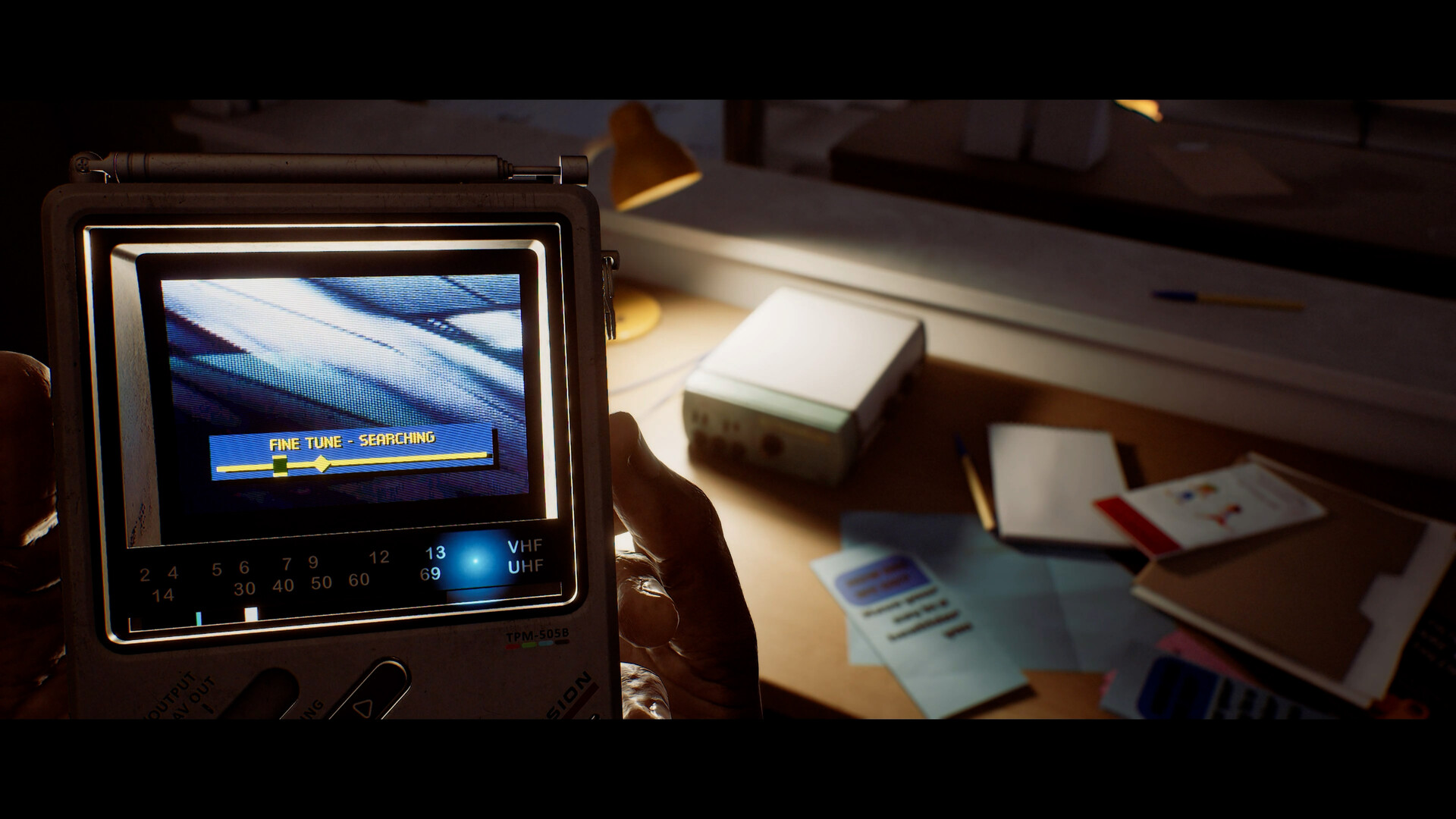
| The CRTVA clever modern take on the radio — tense to use, and a smart way to deliver story. | A Distant ProtagonistSimon can feel less engaged with his own story than the people around him. | — |
The Verdict
SILENT HILL: Townfall is two games wearing the same fog. One is an atmospheric masterpiece: a haunting Scottish island, a crimson otherworld, a gripping and tragic story, and puzzles good enough to stand alongside the series’ best. The other is a stealth game that’s often more frustrating than frightening, with a stalker that tests your patience and an ending system that quietly punishes you for using the weapons it hands you.
How much you enjoy it depends on which of those you notice more. If you love the slow, careful dread of Alien: Isolation or Amnesia, Townfall will click — and its atmosphere will stay with you for a long time. If you want the push and pull of survival horror combat, it may test your patience.
The honest read: a flawed but memorable Silent Hill, and a confident new direction for the series. Play it for the atmosphere and the story, sneak where you can, and consider waiting for a discount. Just don’t rush — this is a game that rewards reading every note and tuning into every signal.
For more game reviews, check out our full reviews section.
Score Breakdown
Discover more from TheBigBois
Subscribe to get the latest posts sent to your email.