
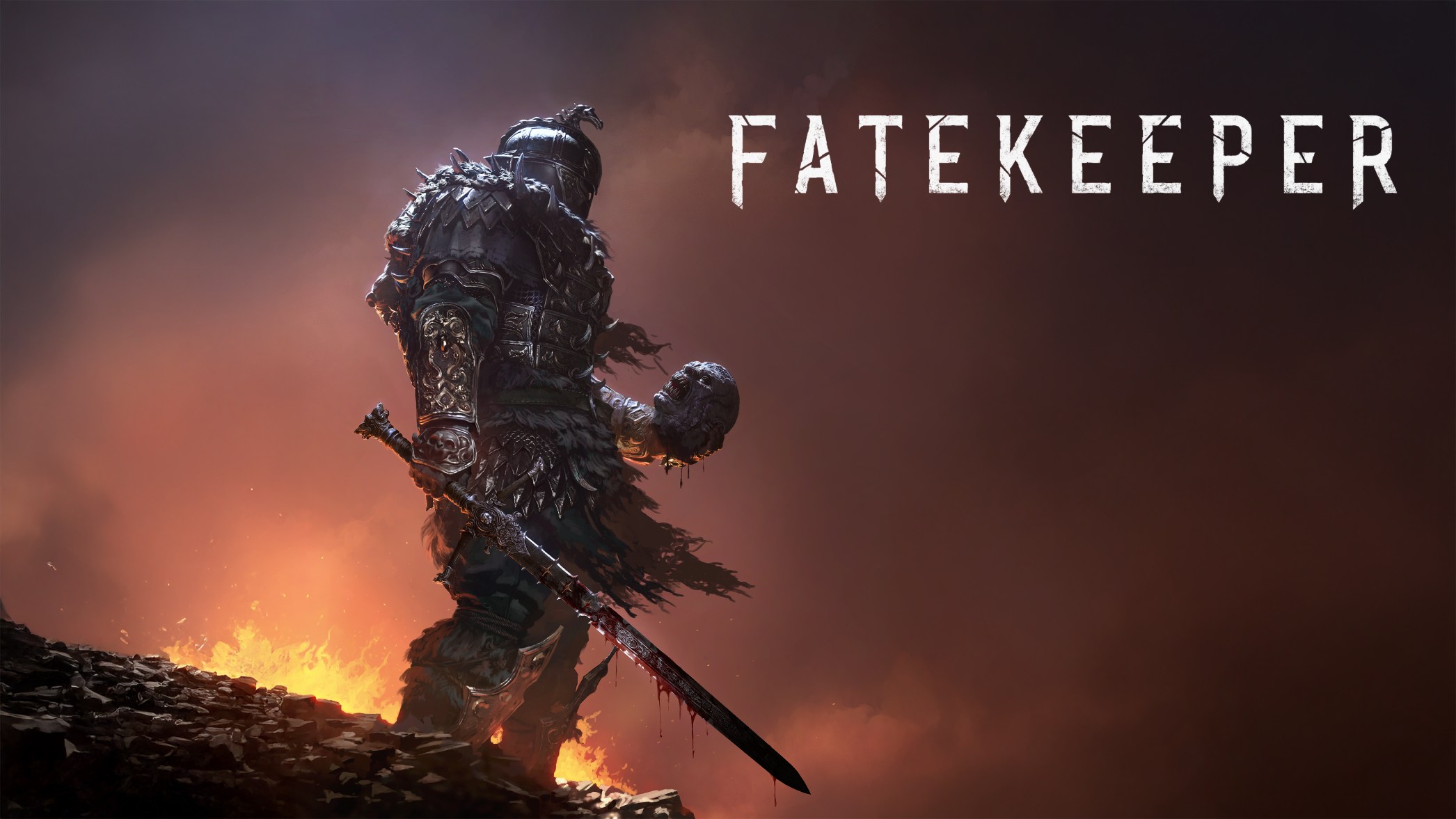
The first thing Fatekeeper makes you feel is that it shouldn’t look this good for $9.99 made by 13 people. The UE5 environments — handcrafted ruins, underground caverns, serene forests, crumbling sanctuaries — are genuinely stunning, and the community’s most consistent reaction across thousands of reviews is some variation of stopping to take screenshots. That visual achievement is real and it earns the comparison reviewers keep reaching for: this is the spiritual successor Dark Messiah of Might and Magic has been waiting to receive for nearly two decades.
The combat gets there too, mostly. Weighty melee with satisfying dismemberment, spell usage that rewards resource management, enemy flanking that surprises you on the first encounter, and boss encounters that teach through failure in the Soulslike tradition. The current Early Access content runs approximately 2 to 6 hours depending on playstyle — short by any measure, and the honest assessment is that this feels like a promising vertical slice rather than a complete game. But at $9.99, with a confirmed development roadmap targeting 15 hours at full release, the early investment argument is compelling for players who can see through the roughness to what’s underneath.
The Dark Messiah Comparison
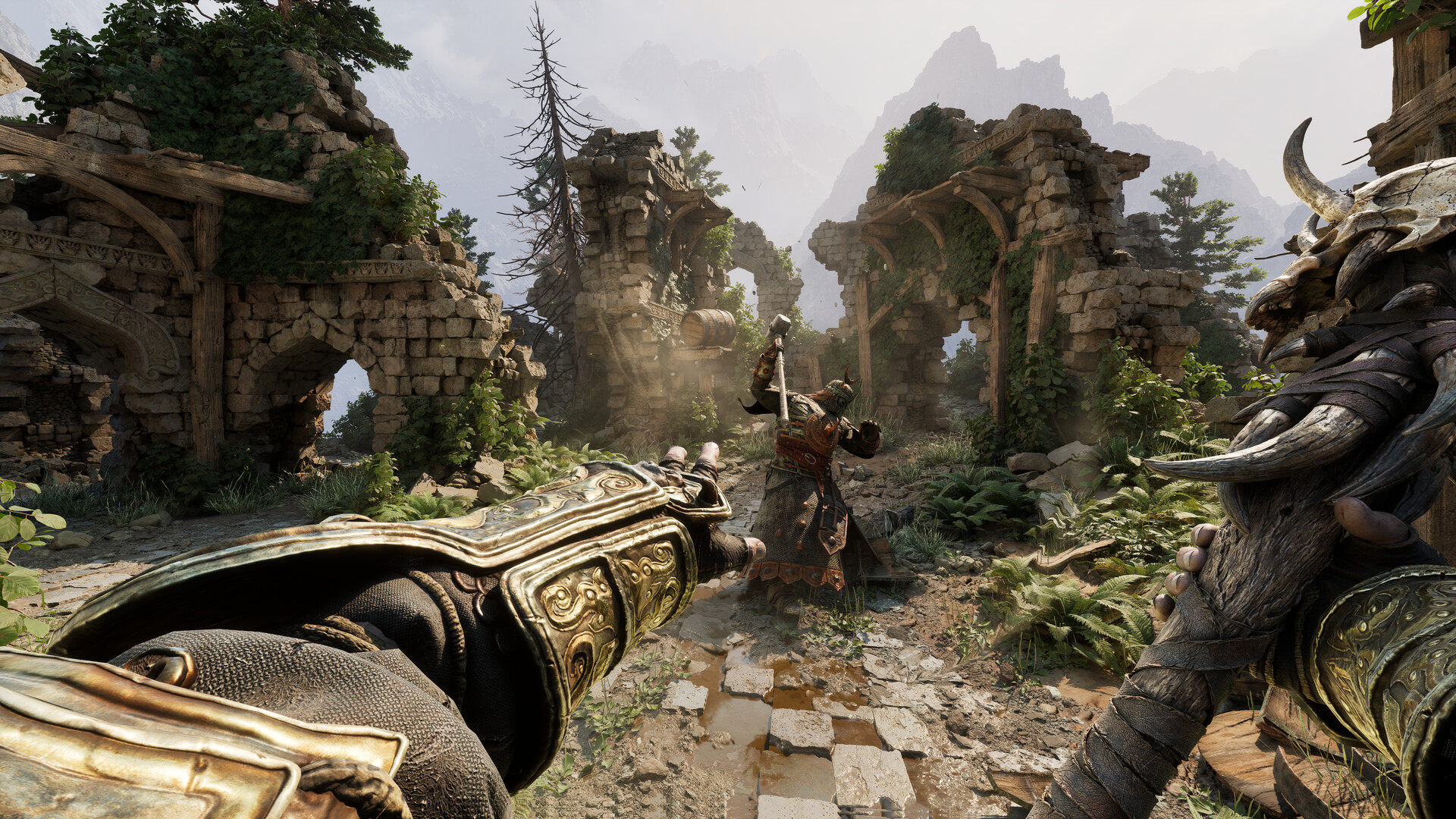
The Dark Messiah of Might and Magic reference comes up in nearly every significant Fatekeeper review, and it’s apt. Dark Messiah — Arkane’s 2006 first-person action RPG — remains one of the most satisfying implementations of physics-based melee combat in a fantasy setting. Fatekeeper draws from the same well: first-person perspective, physics interactions with the environment and enemies, weighty sword combat that rewards positioning and timing, magic as a support system for melee rather than a replacement, and a handcrafted world that rewards exploration off the main path.
Where Fatekeeper currently falls short of that comparison is in the same area Dark Messiah always excelled: physics coherence. Ragdolling bodies in Fatekeeper can feel weightless and inconsistent — enemies fly rather than fall, corpses pop rather than settle. The combat feels satisfying in the attack moments and sloppy in the aftermath. This is a known development priority for Paraglacial and the kind of feedback that Early Access is designed to gather, but it’s the gap between the game’s visual ambition and its physics execution that players most consistently identify.
What Works Right Now
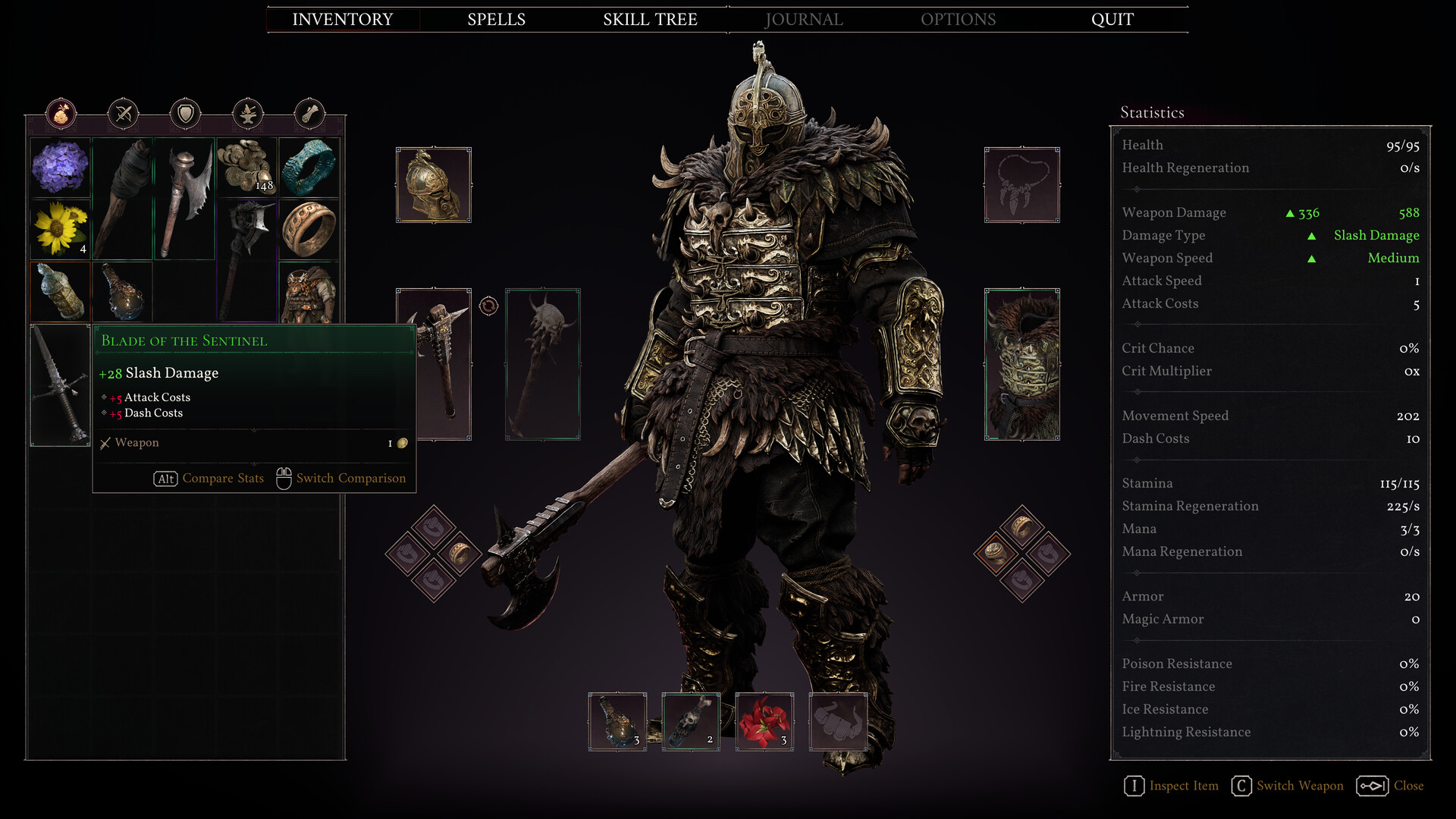
The visual design is the easiest answer and the least important one — beautiful environments are table stakes for a UE5 game with this much polish investment. What’s more interesting is the combat’s mechanical foundation. The melee feedback on hits is genuinely weighty; the dismemberment system lands satisfying moments; enemy AI attempts flanking manoeuvres that catch players off guard; boss encounters reward preparation and punish overconfidence without feeling unfair. The alchemy system — potions, weapon coatings, ingredient management — adds a preparation layer that the community broadly appreciates even when individual components (coating duration, ingredient-versus-potion value) need tuning.
The progression system has bones worth developing. Choosing a starting archetype that channels early levelling into a defined path, then gradually opening into broader build options, is a workable structure. The skill tree in its current state is too constrained — locking the first several levels into binary choices limits the experimentation that makes this genre satisfying — but the architecture for meaningful build divergence is present. At 13 people working under THQ Nordic publication, Paraglacial has built more foundation here than most teams twice their size would manage in a comparable timeframe.

The Good, The Bad, & The Ugly
| The Good | The Bad | The Ugly |
|---|---|---|
| Visuals That Punch Above Their BudgetA 13-person studio building handcrafted UE5 environments at this level of quality is remarkable. Players consistently stop mid-run to take screenshots. The art direction is the clearest signal of Paraglacial’s ambition. | Very Short for an Early Access Entry2 to 6 hours of content at launch is thin even for EA. The game feels like a vertical slice demonstrating what the full product could be rather than a meaningful portion of a complete experience. Buy in on the trajectory, not the current length. | Ragdoll Physics Feel WeightlessThe combat lands well on the attack frame; the aftermath is sloppy. Bodies fly instead of falling, corpses behave inconsistently, and the weightlessness undercuts the satisfying hit feedback the melee system otherwise delivers. |
| Combat Foundation Earns the Dark Messiah ComparisonWeighty melee, dismemberment, enemy flanking, Soulslike boss encounter design. The fundamentals are strong enough that the comparison to one of the best first-person melee games ever made doesn’t feel like hyperbole. | Skill Tree Too Constrained EarlyEarly levels lock players into binary choices with no meaningful experimentation. The build variety implied by the full skill tree is a long way from accessible in the current EA build. | Performance Demands Are HighUE5 taxes hardware significantly — 32GB RAM on Ultra settings is flagged by multiple players. Optimisation is clearly an ongoing development priority, but at this stage the specs required for the best visual experience are demanding for a game at $9.99. |
| The RatThe talking rat companion is unanimously beloved by the community. A small creative decision that communicates the game’s personality effectively. Long may he counsel. | Magic Needs TuningTelekinesis in particular is inconsistent — players report not knowing whether they can pull a given enemy at all. The magic system has strong thematic bones but the moment-to-moment feedback needs significant work before it feels as satisfying as the melee. |
The Verdict
Fatekeeper’s handcrafted world and blend of sword combat with meaningful spell choices create an engaging first-person RPG worth exploring. As an Early Access game it is genuinely short, rough in its physics and progression balance, and demanding on hardware. As a statement of intent from a 13-person studio, it is extraordinary. The community’s consistent reaction — “this is what Dark Messiah should have had a sequel to” — captures something real about what Paraglacial has achieved in this foundation. At $9.99 with a confirmed roadmap to 15 hours of content, the ask is low enough that the calculus is clear for fans of first-person melee RPGs: buy it early, play what’s there, and watch what it becomes. The full version could be genuinely great. This one is already promising.
For more game reviews, check out our full reviews section.
Score Breakdown