
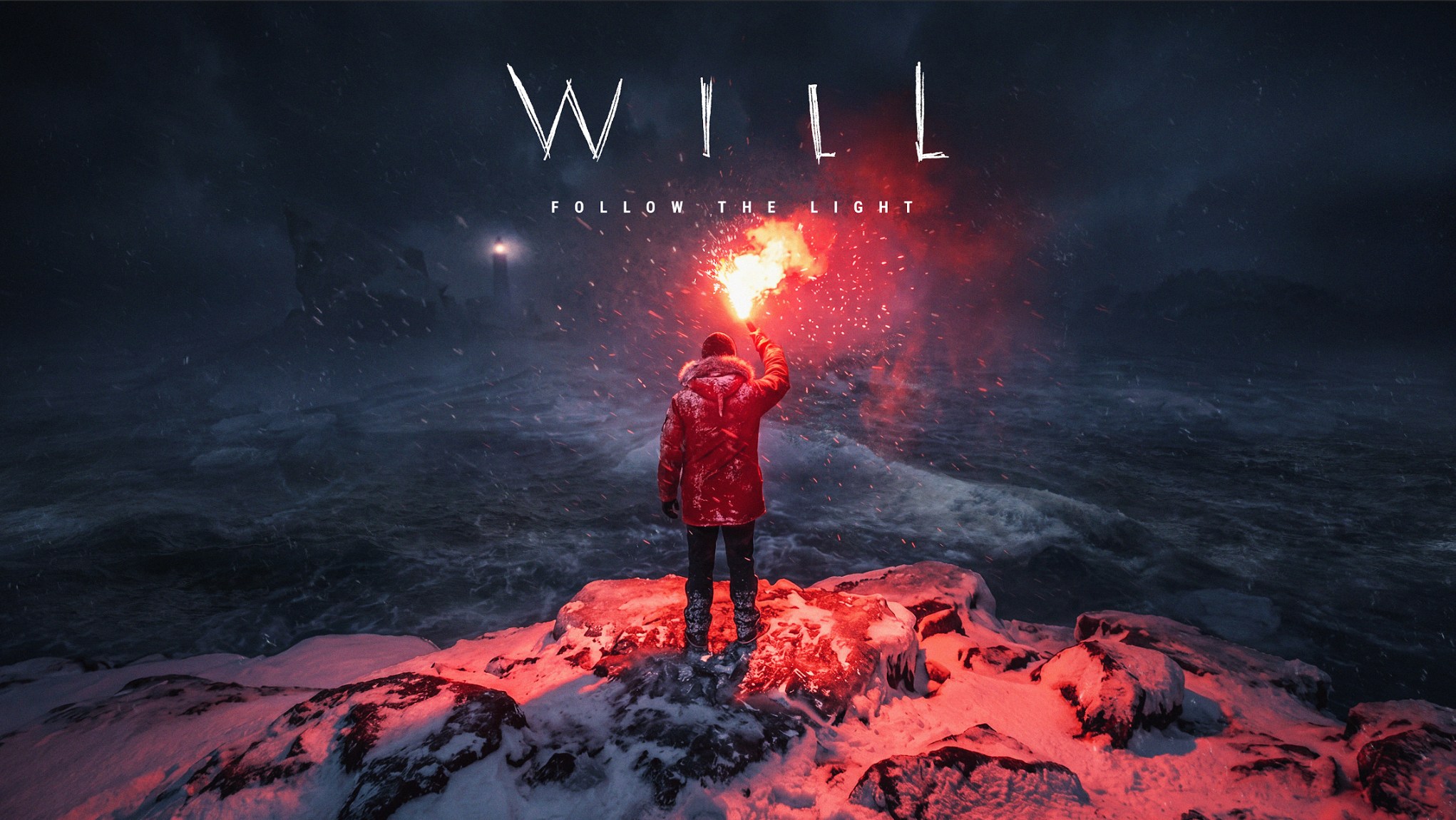
WILL: Follow The Light is the debut release from TomorrowHead Studio — a self-funded, self-published indie built by a small team with a clear CGI and visual art background — and it is one of the most visually impressive first releases we’ve seen from a studio this size. A first-person narrative adventure set in the harsh northern seas, it follows Will, a lighthouse keeper who sails into the frozen expanse to find his missing son after a disaster strikes his home. What unfolds is a meditation on fatherhood, regret, and the truths we carry with us that we’d rather not face.
Comparisons to Firewatch are reasonable — both are nature-set narrative adventures where the beauty of the environment carries much of the emotional weight — but WILL reaches for something different. Where Firewatch has energy and dialogue, WILL has silence and scale. Where Firewatch gives you a relationship to lean into, WILL makes you sit with isolation. It’s slower, more interior, and more patient. Whether that reads as absorbing or monotonous will define your experience more than any other single variable.
WILL: Follow The Light — The Sailing and What It Gets Right
The game’s strongest sequence is the sailing itself, and it’s strong enough that almost every review mentions wanting more of it. Navigating the sailing yacht Molly through arctic waters — managing wind, reading the sea, steering through ice — is a tactile, immersive mechanic that few games attempt with any seriousness. The northern seascapes are breathtaking at any resolution and have been described by players as near-photorealistic at 4K. Certain sections pushed an RTX 5080 hard, which is either a technical achievement or an optimisation concern depending on your hardware, but the visual payoff is undeniable.
The early hours of WILL capitalise on this well. Setting out from the lighthouse, crossing open water toward the site of the disaster, arriving at an abandoned island with secrets threaded through its environment — the opening sequences have a considered pacing and a genuine atmosphere of dread and grief that lands. Environmental storytelling replaces exposition effectively in these stretches, and the voice narration is strong enough to carry the emotional register without feeling melodramatic.
Where the Middle and Late Game Falter
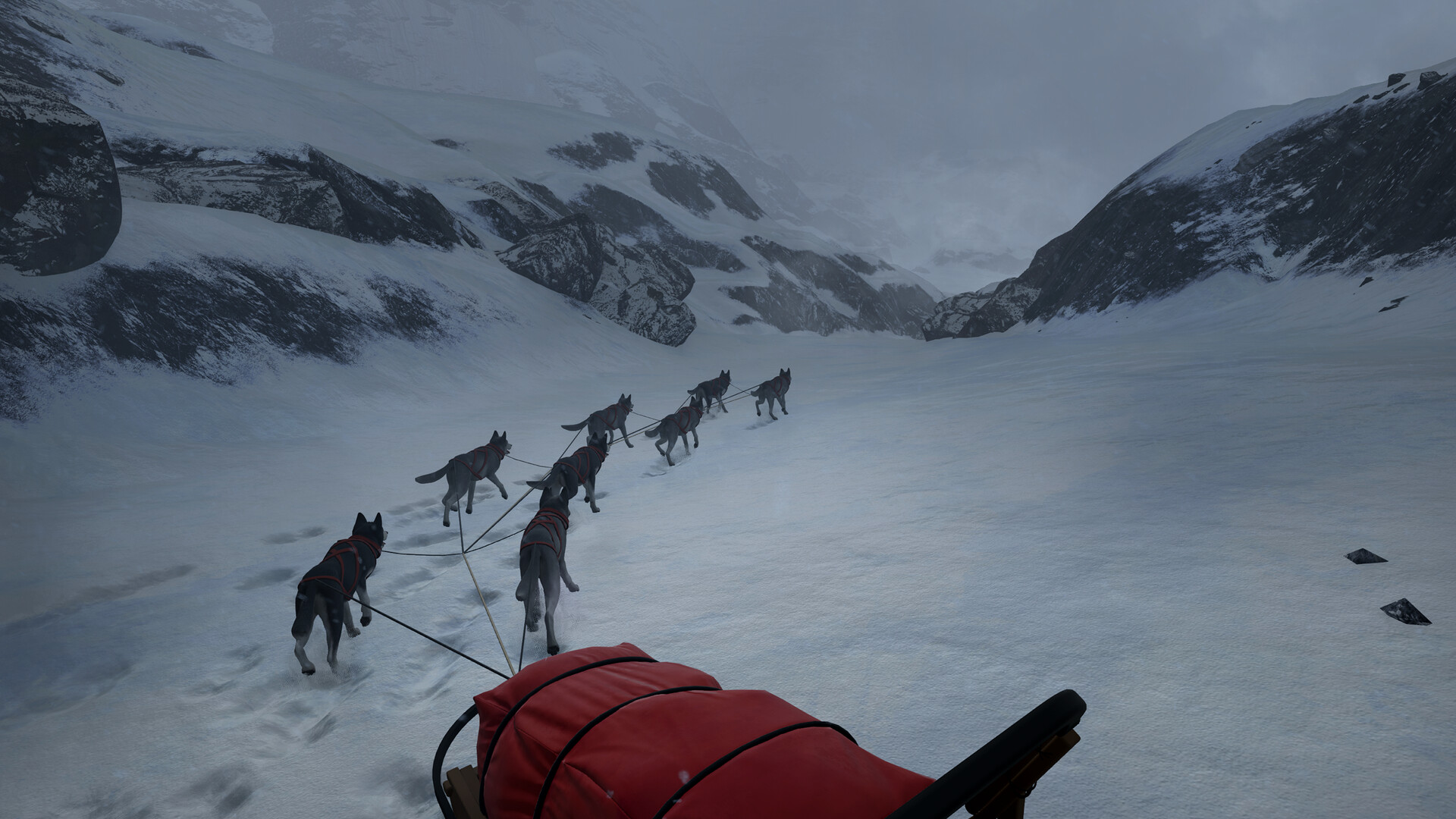
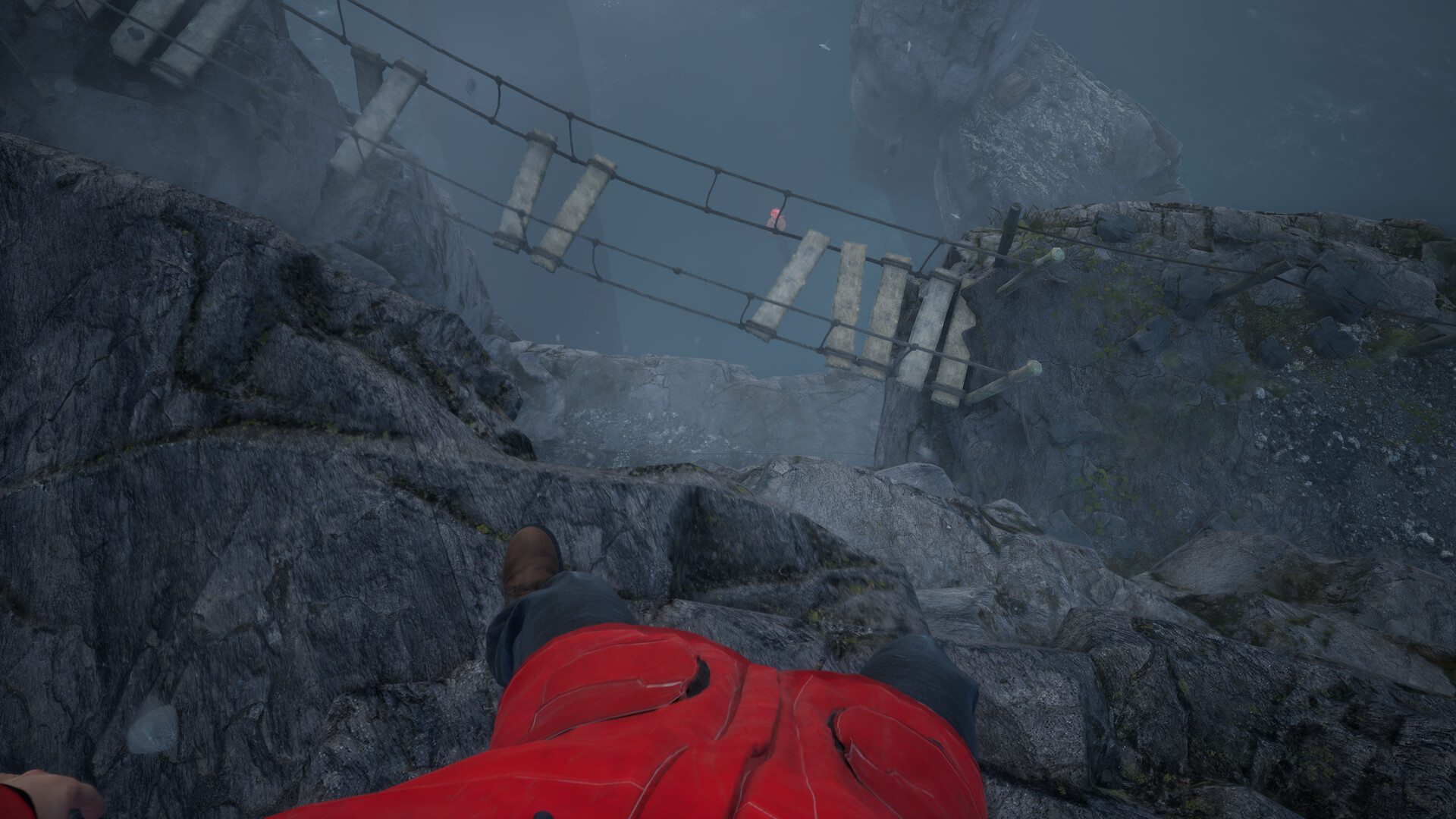
The game’s central structural problem is that it front-loads its best material. The sailing sections that make the early hours special become shorter and more infrequent as the game moves to dog sledding, on-foot exploration, and eventually a mountain section that has frustrated a significant portion of players. The puzzle design shifts from organic environmental logic — reading the world and finding solutions that feel earned — to at least one extended sequence involving a shifting environment with no clear goal that multiple reviewers have called the game’s breaking point.
The story also loses its grip in the back half. The father-son dynamic that drives the game is genuinely affecting, and Will’s relationship with his own father provides meaningful thematic texture — but the narrative skips plot in ways that feel less intentional than unfinished. A hospital sequence arrives without explanation. Secondary characters introduced with apparent significance get minimal follow-through. The game ends on a note that several players found moving and others found confusing, which may be intentional ambiguity or may be a budget constraint on the final act. It is genuinely difficult to tell which.
Technical Performance and What TomorrowHead Gets Right as a Debut
One of the most consistent positives across the review base is something that should be a baseline but increasingly isn’t: the game runs. No stutters, no crashes, no launch-day patch spiral. At a time when triple-A studios regularly ship broken products that take months to stabilise, a small self-funded studio releasing a technically clean game deserves explicit credit. The sound design and original soundtrack are similarly strong — atmospheric, unusual, and calibrated to deepen the environmental isolation rather than fight against it.
The developer response to negative feedback has also been notably engaged — replying to critical reviews, acknowledging frustrations with specific puzzle sequences, and demonstrating a willingness to listen that small studios sometimes skip under the pressure of launch. These are not small things in a first release, and they suggest TomorrowHead has the instincts to build on what works here.
The Good, The Bad, & The Ugly
| The Good | The Bad | The Ugly |
|---|---|---|
| The Sailing and Arctic VisualsGenuinely stunning northern seascapes and a tactile sailing mechanic that almost every player wishes occupied more of the game. Near-photorealistic in places. | Back Half Loses MomentumThe game’s best material is front-loaded. Puzzle quality drops, sailing decreases, and the story loses structural coherence as it approaches the ending. | That Shifting Environment PuzzleOne extended sequence with no clear goal in a shifting environment has been described as a near-breaking-point by multiple reviewers. It wastes time without delivering satisfaction. |
| Strong Opening HoursThe first 2-3 hours are tightly paced, emotionally affecting, and demonstrate exactly what this game could have been throughout its full runtime. | Narrative GapsPlot sequences that arrive without explanation, characters whose arcs are left incomplete, and an ending that divides players between “moving” and “confusing.” | |
| Technical CleanlinessNo bugs, no stutters, no crashes — better than most AAA launches this year. A small studio shipping a technically clean product deserves recognition. | Too Short and Too ThinAt 5-6 hours the content doesn’t fully sustain the price point, and the map previewed at the start shows locations you never visit. | |
| Atmospheric SoundtrackOriginal, unusual, and doing exactly what a good environmental score should — deepening the isolation without announcing itself. |
The Verdict
WILL: Follow The Light is a debut release that earns real respect for what it achieves and honest disappointment for what it doesn’t complete. The opening hours and the sailing sections represent a genuinely promising vision from a team that clearly knows what it wants to make. The back half of the game, with its puzzle missteps and narrative gaps, suggests the resources ran out before the vision did.
At $24.99 for a 5-6 hour experience with photorealistic arctic visuals, strong voice acting, a clean technical release, and a story that — despite its rough edges — has something real to say about fathers and sons, WILL is worth your time if this is your genre. It’s not Firewatch. But it’s a worthwhile first step from a studio worth following. For more narrative and adventure game coverage, check out our full reviews section.
Score Breakdown