
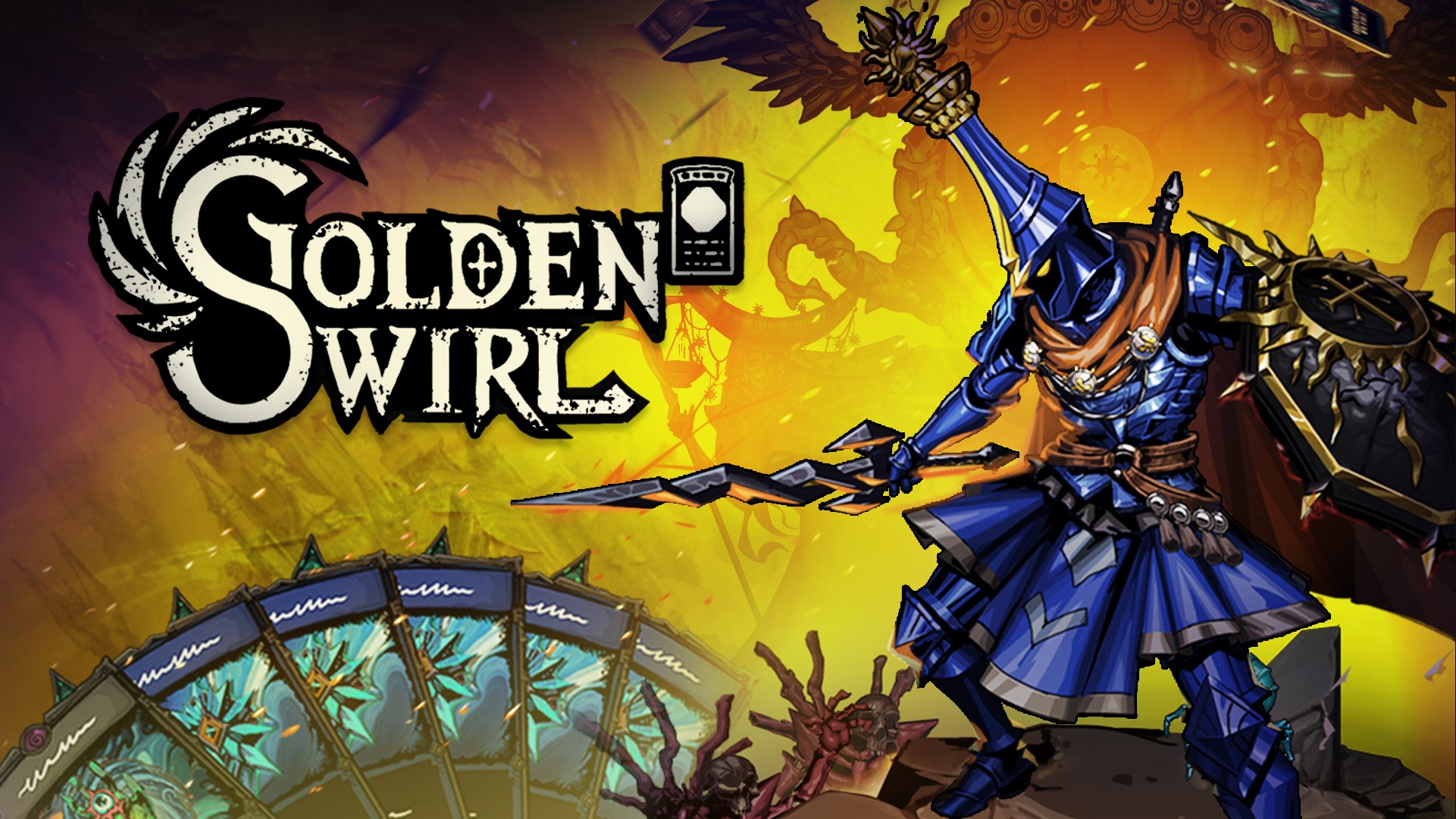
Golden Swirl is a dark fantasy action deckbuilder from new studio Snako Production, published by Infini Fun. It launched on September 9 at $19.99 — currently 20% off — and sits at Very Positive across 164 reviews.
Our verdict: Golden Swirl brilliantly merges tactical dodging with deckbuilding strategy, creating an intense dark fantasy that demands both quick reflexes and careful planning. One player called it a sleeper hit that deserves way more attention, and we’d agree.
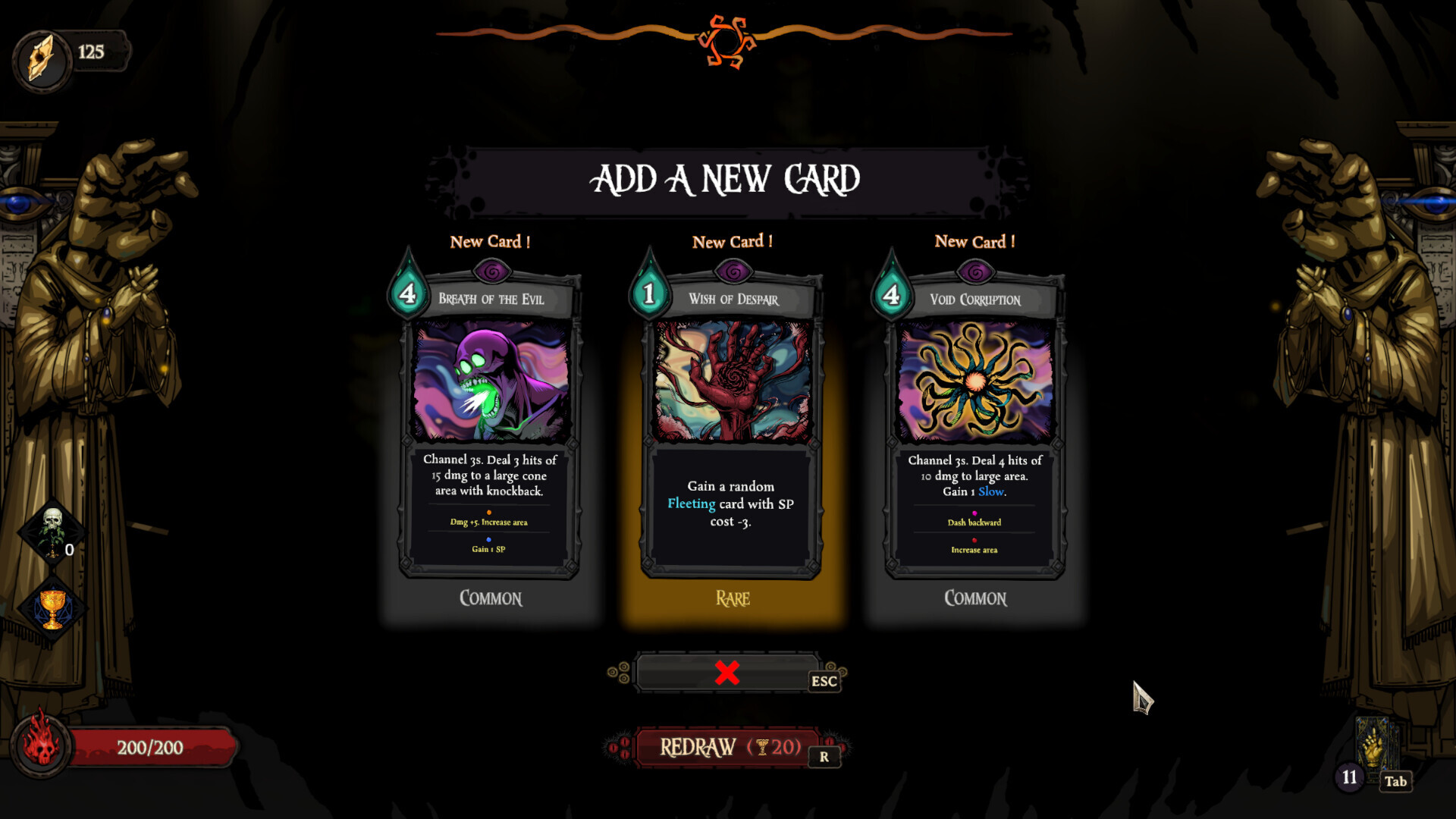
It Isn’t Another Slay the Spire Clone
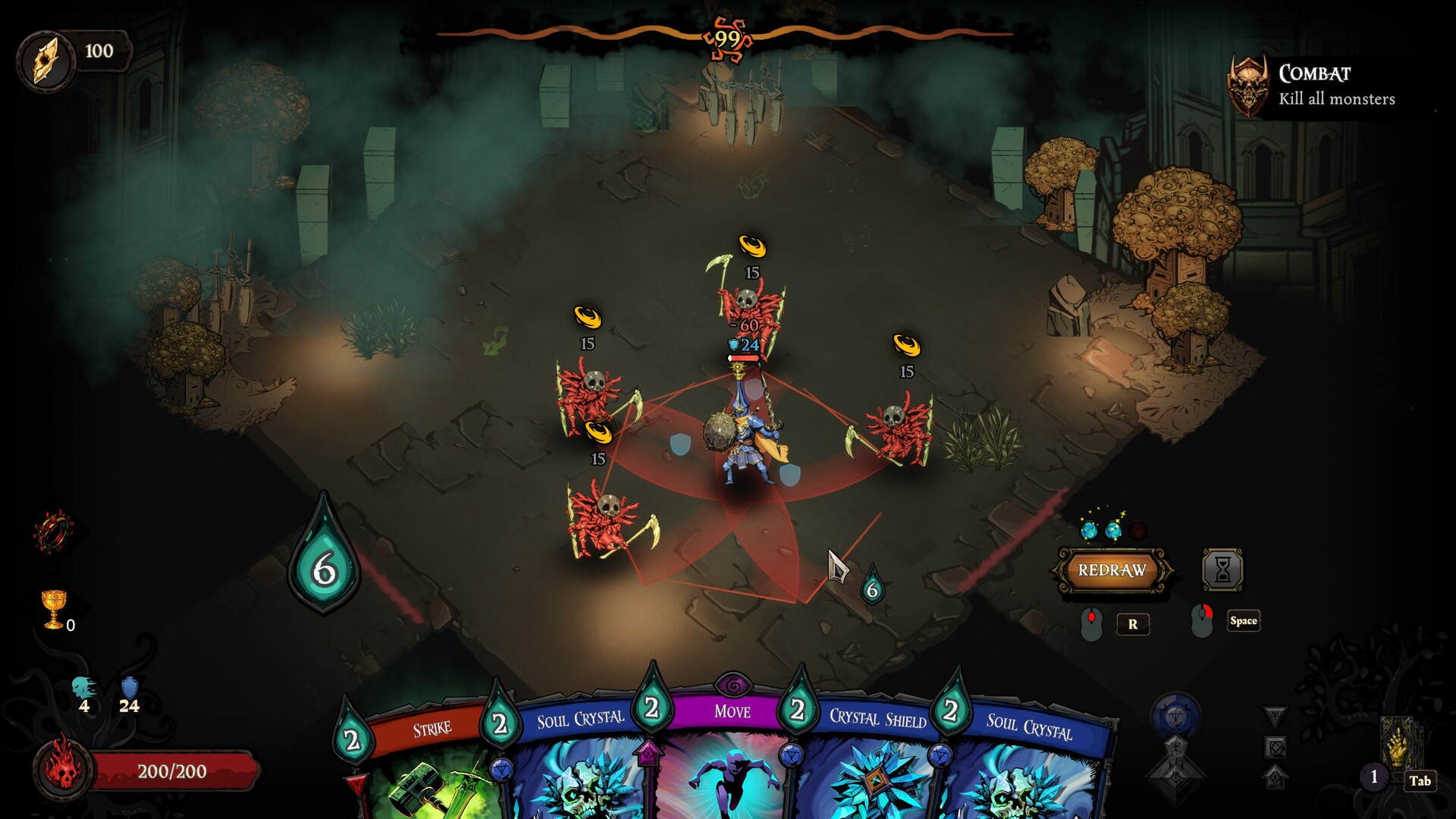
Move through the arena in semi-real-time, evading attacks and adjusting your angles.
Four base characters plus custom builds — pick weapons, gear and starting cards.
A threefold synergy system with chained effects that multiply each other.
Greed and fear warp your character and twist your deck as the corruption spreads.
Corruption Is the Best Part
The “Golden Will” system is where Golden Swirl gets genuinely interesting. Every choice you make — greedy or fearful — ripples through your run, eroding your character’s state and twisting your deck’s composition. Calculated risks cut both ways.
The best illustration comes from a player who described two completely different runs. In the first, they “beat the game quite simply” — ditched the corrupted cards, collected a pile of relics, and saved the day as the light in the darkness.
In the second, they played as “the most corrupt piece of walking talking broccoli the world has ever seen,” sold every life point they had for raw power, and walked into the final boss with twelve hit points. They lost. Narrowly. And they said it was far more fun than winning.
That’s exactly what a risk-reward system should produce — the dangerous path being more thrilling than the safe one, even when it fails. And players note the art itself evolves as the world becomes more corrupted, so the choice is visible as well as mechanical.
The Voice Acting Punches Well Above Its Weight
Full voice acting in an indie deckbuilder is unusual. Good voice acting is rarer still — and Golden Swirl’s gets singled out repeatedly as full, high quality, and genuinely characterful.
One player highlighted the Mirror Doll greeting them with “Hello, my dearest self” — and the delivery landing on those last words “in the most creepy way.” With over twenty NPCs each carrying their own tragic story warped by the abyss, that investment pays off across the whole run. The writing and lore draw Dark Souls comparisons, and another player compared the gloomy, heart-piercing tone to their first time playing Darkest Dungeon.
One caveat, and it’s an easy fix: a player noted the base voice audio sits noticeably lower than it should relative to everything else. Worth nudging the voice slider up when you start.

About That Art
The Bugs Worth Knowing About
Things to Know Going In
The Good, The Bad, & The Ugly
| The Good | The Bad | The Ugly |
|---|---|---|
| A Deckbuilder Where You DodgeSemi-real-time movement means your deck sets the rhythm but your footwork keeps you alive. Players who arrived expecting another Slay the Spire clone left calling it genuinely unique — and one who hates deck-drafting elsewhere loves it here. | Early Bosses Are Too EasyStage one and two bosses don’t offer much resistance, according to a player who’s clearly put the hours in. The difficulty ramps later, but the opening acts undersell the challenge. | A Soul Stone Wipe BugReported twice by one player: all run currency vanishes and you can’t earn more from any source. In a roguelite, that’s a run-ending bug with no way back. |
| Build Control Instead of Pure RNGCustom heroes with chosen weapons, gear and starting cards, plus 120 cards, 100+ relics and runes. Players specifically praise that runs don’t feel like pure luck “the way most roguelites do.” | Idle Bosses and Flaky TriggersBosses sometimes stop acting well past their rest window, and one boss’s lasers rarely fire even at point-blank range. Both flatten encounters that should be tense. | The Art Divides PlayersSome call the fanservice light and part of the appeal. Another made a careful case that it’s one-sided — men “barely exist” by comparison, unlike Hades’ broader range. A taste call, but a specific and fair critique. |
| Corruption Makes Losing FunOne player won cleanly as a hero of light, then had far more fun losing as a corrupt powerhouse who sold his life for strength and hit the final boss on twelve HP. That’s a risk-reward system working exactly as it should. | Voice Audio Is Mixed Too QuietlyThe voice acting is a highlight, which makes it a shame it sits lower than it should. Turn the slider up when you start. | Positioning Indicators MisleadMovement and attack markers don’t quite match where things actually land, apparently due to camera perspective. In a game built on precise dodging, that’s the kind of inaccuracy that costs you runs. |
| Voice Acting That LandsFully voiced, high quality and genuinely characterful — “Hello, my dearest self,” delivered in the creepiest possible way. Twenty-plus NPCs with tragic stories, with lore drawing Dark Souls and Darkest Dungeon comparisons. | Square ArenasA player wanted more map variety — shapes that change how you move, like a central gap only flyers can cross. In a game where positioning is half the combat, arena geometry is an underused lever. | —Nothing else recurs. And with an update roadmap published nine days after launch, the bug list looks like it’s being worked through. |
The Verdict
Golden Swirl is the rare roguelite deckbuilder that genuinely changes the formula rather than reskinning it. Putting movement and dodging into a card game sounds like it should produce a mess — two systems fighting for your attention — and instead it produces combat where both halves matter. Your deck decides what you can do; your footwork decides whether you live long enough to do it.
The build control is the second achievement. Custom heroes with chosen starting kits go a long way toward fixing the genre’s oldest complaint, that runs feel like the RNG playing you rather than the other way round. And the corruption system is a genuine delight — a player choosing to sell their life for power, losing on twelve hit points, and calling it the most fun they’d had is precisely the story a good risk-reward mechanic should generate.
It’s also unusually well produced for a first game. Full voice acting that people actively quote, over a hundred achievements, and a dark fantasy world that earns its Darkest Dungeon comparisons.
The problems are real but fixable. A currency-wiping bug is the serious one, followed by idle bosses, unreliable triggers and positioning indicators that don’t quite match reality — which matters more than usual in a game about dodging. Snako published a roadmap nine days after launch, which is a good sign.
And the art is the thing to decide on personally. Players are split on the fanservice, and the most careful critique of it — that the attention is one-sided rather than spread across a range of characters — is fair and specific. It won’t bother everyone. It will bother some people, and they deserve to know before buying.
The honest read: play the demo, then buy it before September 23. The demo settles the art question and shows you whether dodge-plus-deck clicks for you. If both land, $15.99 for something this fresh from a studio this new is an easy recommendation — and one worth supporting so Snako can build the more characters, cards and acts players are already asking for.
For more game reviews, check out our full reviews section.