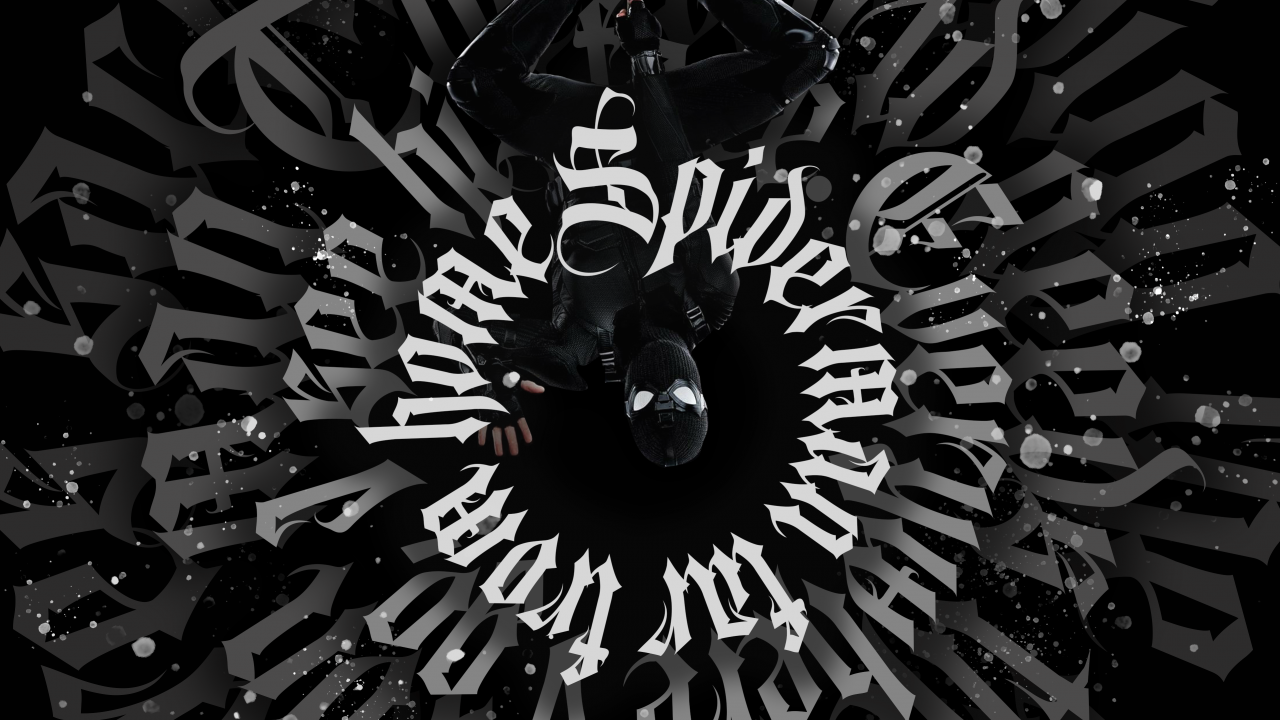
Spider-Noir is not a perfect show — but it’s a genuinely fun one, and Nicolas Cage doing Nicolas Cage things in a gorgeously-shot 1930s New York noir setting is exactly as good as it sounds when it’s firing on all cylinders. The eight-episode Prime Video series, developed by Oren Uziel and executive produced by Phil Lord and Chris Miller (Spider-Verse, Project Hail Mary), marks Cage’s first substantial television lead role and extends his Into the Spider-Verse vocal performance into a live-action world that largely earns the expansion. It’s pulpy, stylish, occasionally uneven, and impossible to dislike when Cage is finally allowed to get weird — which, crucially, the show does let happen.
The premise is a clean one. Ben Reilly (Cage) is a down-on-his-luck private detective in Depression-era New York, mostly catching cheating spouses, mostly doing it pro bono, and definitively not making rent. His former life as the city’s only superhero — known as The Spider — is behind him, until a deeply personal tragedy forces him back into the mask. It is every noir setup you have ever seen, and the show knows it, and leans into that familiarity rather than apologising for it.
Nicolas Cage, Doing What He Does
Cage’s performance is the engine the entire series runs on, and it operates at two speeds. In the first half of the season, he’s playing Ben Reilly as a worn-down, shambling wreck of a man — deflated, dry, constantly broke, and deeply committed to being annoying to anyone who needs his help. It’s a restrained performance by Cage standards, which is to say it’s still extremely Cage, just turned down to a seven instead of eleven. In the second half, as the season’s stakes escalate and Ben is forced to re-engage with the mask and the memories that come with it, the show opens the valve and Cage goes full Cage. That’s when Spider-Noir becomes unmissable.
The supporting cast is strong across the board. Karen Rodriguez as Janet — Ben’s perpetually underpaid, perpetually competent secretary who is actually running the entire business — steals multiple episodes outright. Lamorne Morris as Robbie Robertson brings warmth and grounding as the newsman who represents Ben’s connection to the world he’s trying to protect. Brendan Gleeson as mob boss Silvermane is exactly the kind of villain this kind of story needs: imposing, complicated, and never quite a simple antagonist. Li Jun Li as Felicia Hardy (Black Cat) and Jack Huston as the Sandman round out a rogues’ gallery that the season deploys with varying effectiveness.
The Black & White Option Is the Correct One
Spider-Noir offers two viewing modes — Authentic Black & White and True-Hue Full Color — and the black and white version is definitively the right choice. Cinematographer Darran Tiernan and the production design team have built a 1930s New York that looks extraordinary in monochrome, with shadows functioning as active compositional elements and a genuine visual vocabulary drawn from classic noir cinema. The full-color version is technically fine, but loses the atmospheric texture that makes the best episodes feel like they belong in the same canon as the genre they’re referencing. Watch it in black and white.
Where It Stumbles
The first two episodes are slower than they need to be. The show takes its time establishing Ben’s down-and-out circumstances, his web of supporting characters, and the 1930s New York geography — and some of that patience pays off, but some of it feels like a series finding its footing and taking a few episodes to settle. The ensemble is also a hair large for eight episodes; several characters who are clearly intended as significant presences don’t get the screen time to fully register, and the season can feel crowded in its middle stretch.
The Hollywood Reporter’s critique — that there’s an entertaining 100-minute movie inside the eight episodes — is not unfair. The pacing occasionally works against the story’s strengths, and the season lacks a cliffhanger finale that would make a second season feel urgent rather than merely welcome. What it does have is a coherent emotional throughline for Ben Reilly and a final episode that mostly sticks the landing.
Season 1 — Episode Guide
The Good, The Bad, & The Ugly
| The Good | The Bad | The Ugly |
|---|---|---|
| Nicolas Cage in the Back HalfWhen the show finally lets Cage off the leash in episodes 5-8, it’s exactly as entertaining as it should be. His particular brand of unhinged sincerity fits the character and the genre perfectly. | Slow Opening Two EpisodesThe series takes too long establishing its world. First-time viewers may not push through to where the show really hits its stride. | Cramped EnsembleToo many characters, not enough time. Several supporting players who deserve more screen time get squeezed out by the eight-episode constraint. |
| Karen Rodriguez Steals Every SceneJanet is the most purely entertaining character in the show and Rodriguez knows it. Every scene she’s in is better for her presence. | No Season 2 HookThe finale resolves its story without creating urgency for more. Good for the season as a standalone, less good for renewal prospects. | The Color Version ExistsBoth viewing options are available. One of them is correct. The other one is fine and misses the point. |
| The Black & White CinematographyTiernan’s work in monochrome is genuinely beautiful. The show looks like it belongs in the genre it’s referencing. |
The Verdict
Spider-Noir is a good show that occasionally threatens to become a great one, and the gap between those two states is primarily a pacing problem and an ensemble management problem rather than a creative vision problem. The creative vision is sound: a pulpy, stylish noir built around a genuinely interesting version of Spider-Man and anchored by a performance from Nicolas Cage that, in its better moments, justifies why this specific character warranted a live-action series built around him. Watch it in black and white, push through the first two episodes, and enjoy the back half considerably more. A season two renewal would benefit enormously from the world-building already completed here.
For more TV coverage, check out our full reviews section.
Score Breakdown