Game: Transport Fever 3
Developer: Urban Games
Publisher: Paradox Interactive
Genre: Transport Tycoon / Management Sim
Released: September 29, 2026
Price: $49.99 · Deluxe $64.99
Platform: PC (Windows, macOS, Linux) · PS5 · Xbox Series X|S
🚂 How we reviewed it: on PC, via Steam. Transport Fever 3 is the kind of game people sink hundreds of hours into, so we’ve also noted what players are saying, from total newcomers to fans with thousands of hours in Transport Fever 2.
🛤️ Know this first: critics love it, players are more split. Transport Fever 3 sits at 83 on Metacritic and 81 on OpenCritic, but it’s Mostly Positive on Steam, where players have flagged UI, balance and performance issues. Urban Games has already shipped two stability updates, and its first gameplay update (with UI improvements) is in the works. It’s Steam Deck Unsupported and needs an SSD and 90 GB of space.
🏗️ Build the Network That Drives the World
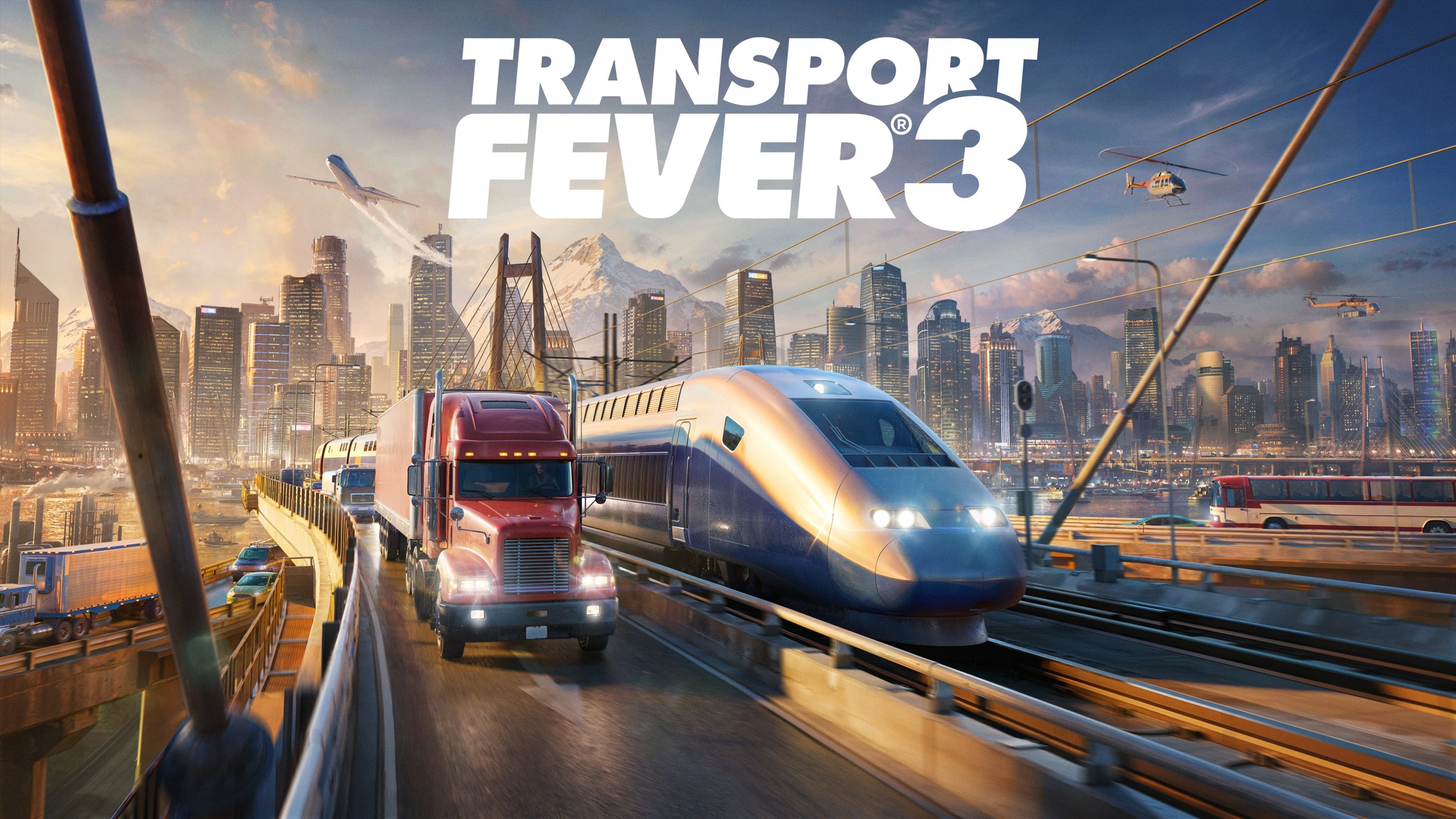
Start in 1900 with horse-drawn wagons, steam trains and paddle-steamers, and work your way up to jets, supertankers, high-speed trains and helicopters. Every delivery earns money, and every train, truck, plane or ship adds to your costs.
As your company grows, so do the demands of every city. Towns want more goods, better public transport and less noise and pollution. There’s no plan that works forever: you’ll need to adapt, rebuild and optimize as your transport empire expands.
Set an alarm. You will forget to sleep.
Urban Games has been perfecting the transport tycoon since Train Fever, and Transport Fever 3, now published by Paradox Interactive, is its biggest and most ambitious game yet. It’s a deeper, more demanding tycoon sim than Transport Fever 2, with a redesigned cargo system, warehouses, dynamic industries and smarter, hungrier cities. That depth is both its greatest strength and the source of most of its launch complaints.
Our verdict: “If you crave deep strategic transport management with a century of evolving options, this tycoon sim delivers the complexity and creative freedom you’re craving.”
Deeper Logistics
The biggest change from Transport Fever 2 is how freight works. Instead of the game automatically matching supply to demand, you control where goods go and how much each stop gets. It’s harder to learn, but it opens up a lot more strategy.
📦 Warehouses
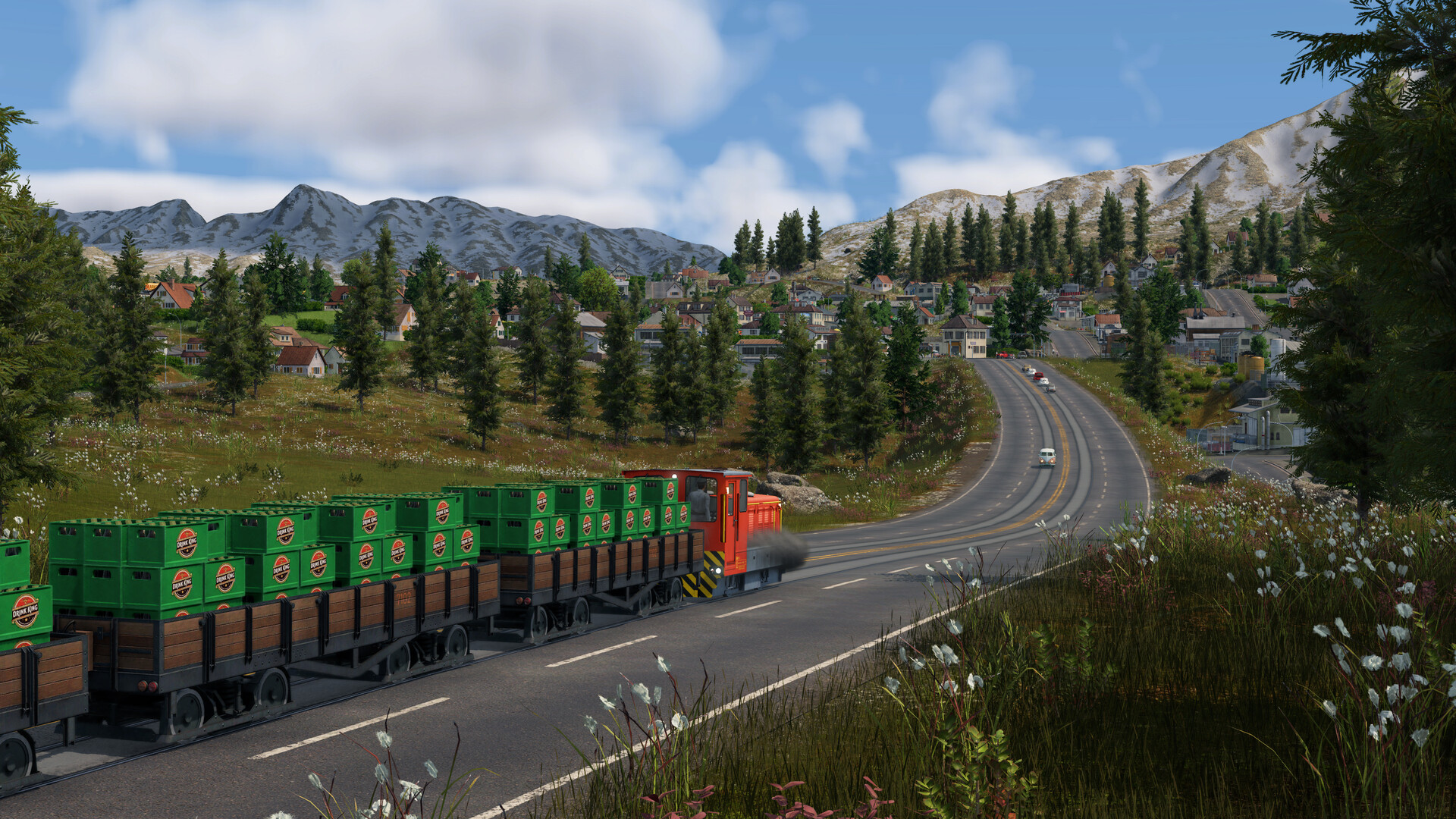
Intermediate storage and specialized terminals finally make mainlines and big cargo trains worthwhile.
⏱️ Smart Departures
Trains can wait at a station and time their departure to balance a line’s frequency.
🏭 Dynamic Industries
Output depends on fields, pits and pens, and can be boosted with workers and equipment.
🚉 Specialized Platforms
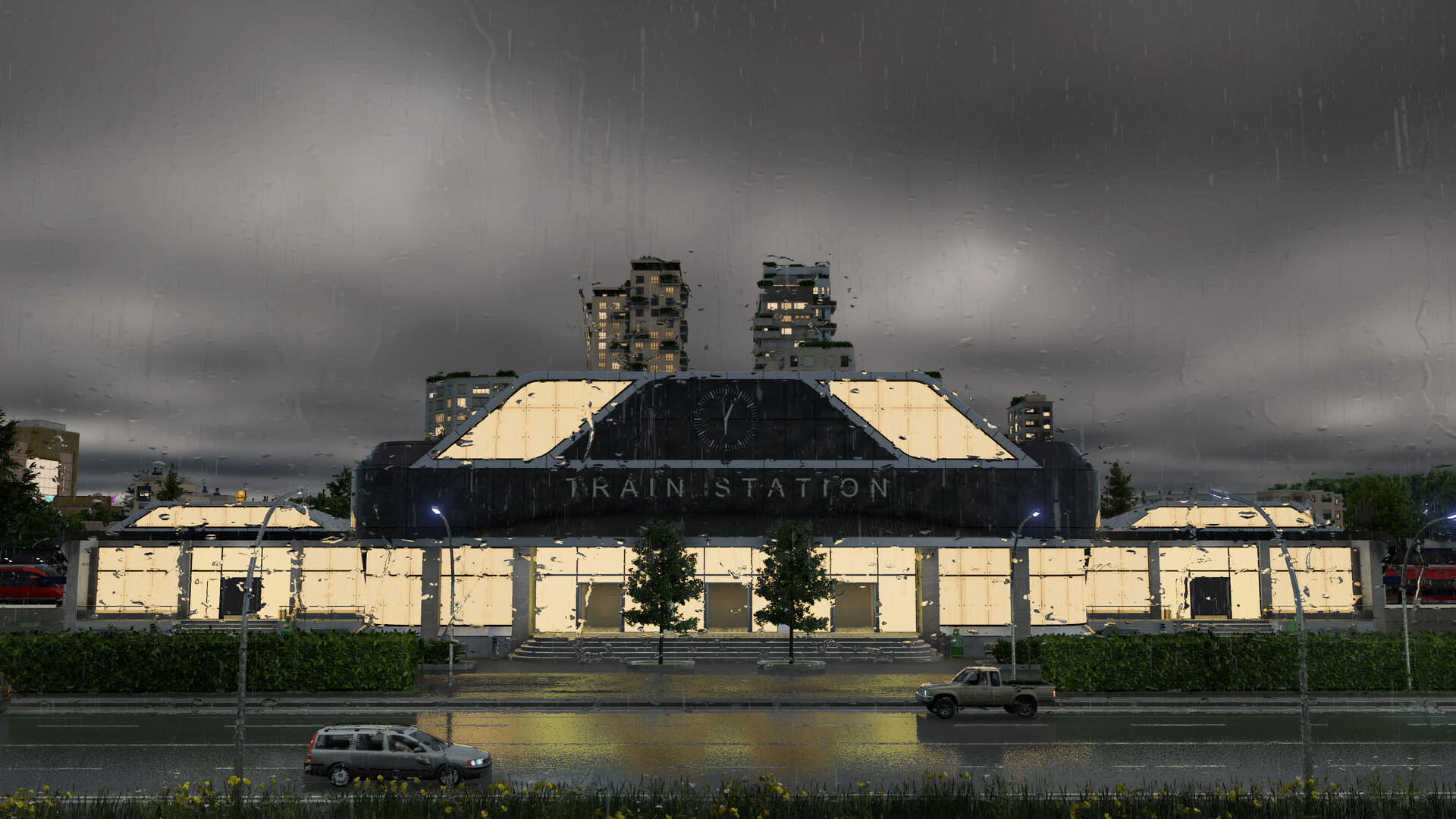
A real reason to build huge, intricate stations.
Once It Clicks, It Really Clicks
🚆 Twelve Trains, Zero Bottlenecks
One player, a total newcomer to the series, spent ten hours straight adjusting platform lengths, learning signalling and smoothing terrain for a single central station. Watching 12 trains pull in at once without a bottleneck was, in their words, the most satisfying experience of their life. The track and station tools are that good, and it’s an incredibly chill game to zone out with a podcast or some music.
Series veterans agree it takes time. One longtime fan admitted it took about five hours to learn the new dynamics, and that they hated it at first. Once it clicked, though, warehouses, timed departures and the ability to unload a set percentage of cargo at each stop changed how they play. A couple of players also praised the map editor, and another fan with thousands of hours in Transport Fever 2 called the new dynamic industries their standout favorite feature.
Cities That Fight Back
🏙️ Feed the City, or It Shrinks
Cities now demand more of you as they grow, wanting specific goods, better public transport and less noise and pollution. Miss their deliveries and they’ll shrink. It’s a big part of the challenge, but it can also snowball. Several players found that towns grow way too fast. One spent hours managing passenger surges and traffic jams after delivering just one product, Fish, between two cities.
The fix is in the settings. That same player built a large custom map with only five cities, set Industry Target Density to Sparse and Delivery Sensitivity to Very Low, and the game became far more enjoyable. If you’d rather just build, you can disable the economy entirely and play as a sandbox.
Where It Stumbles
⚠️ Signal Problems1. Freight micromanagement. The biggest criticism. Industries no longer have dedicated buyers, so goods go wherever your lines take them. One frustrated TF2 veteran found a train happily delivering 170 canned goods to a hamlet that needed 25, leaving a big city short. On large networks, they ended up building many one-to-one lines instead of a true network. Another player said they couldn’t set unload amounts at all and used the Max Stop Time timer as a workaround, while the fan above found percentage-based unloading, so expect a learning curve here.
2. The UI. Too many menus and pop-ups, hidden functions, settings that don’t remember your choices, and depots that are hard to find from the overhead view. Urban Games says UI improvements are coming in the first gameplay update.
3. Performance and balance. One player struggled to hold 60fps on large maps, though another runs it smoothly on a high-end PC with no crashes in 50 hours. Others say passenger capacities feel out of step with the bigger populations, and that eventually money stops mattering.
4. Fewer base vehicles. The game now starts in 1900, and there are noticeably fewer North American trains. Paved roads don’t arrive until around 1940, which one player thinks is far too late.
5. Some recycled bits. One player found the campaign disappointing, with short, puzzle-like missions, and felt that air traffic and the terrain generator haven’t moved on much from Transport Fever 2.
🐧 Platforms & Performance
Transport Fever 3 runs on Windows, macOS and Linux (one player was happy to see a native Linux build), as well as PS5 and Xbox Series X|S. It has full controller support but is Steam Deck Unsupported. Minimum specs ask for a Core i5-8400 or Ryzen 5 2600X (AVX2 required), 8 GB RAM, a GTX 1060 / RX 480 and an SSD. Nvidia users should note that a driver conflict (version 621.01) has been reported, with a fix on the way.
Things to Know
📋 Before You Buy
• $49.99 · Deluxe Edition $64.99 (Concorde, London Bus, Eiffel Tower, Taj Mahal, three extra maps and more)
• Tycoon, Sandbox and Campaign modes, plus a full map editor
• 275+ vehicles, 35+ industries and four climate zones, including a new subarctic region
• Cross-platform mods through the in-game mod hub (one player even prefers it to the Steam Workshop for its curation)
• 41 achievements · 13 languages · single-player only
• Two stability updates out, with the first gameplay update (UI improvements and removing anachronistic buildings) in progress
The Good, The Bad, & The Ugly
The Good
The Bad
The Ugly
Deep LogisticsWarehouses, timed departures and real cargo control.
Freight MicromanagementBig networks can turn into one-to-one lines.
Runaway TownsCities can grow out of control fast.
Station BuildingGloriously satisfying tools.
Clunky UIToo many pop-ups and hidden menus.
—
Dynamic IndustriesOutput you can boost and grow.
Performance & BalanceLarge maps can struggle, and money stops mattering.
—
Map Editor & ModsBuild anything you can imagine.
Thin CampaignShort, puzzle-like missions.
—
Chill FactorHours disappear like minutes.
Fewer VehiclesEspecially North American ones.
—
The Verdict
Transport Fever 3 is the deepest tycoon game Urban Games has made. Warehouses, dynamic industries, specialized platforms and smarter cities give you far more to plan and optimize than ever before, and when a complex network finally runs perfectly, it’s incredibly satisfying. It’s also a surprisingly welcoming starting point for newcomers.
It’s also a little rough at launch. The new freight system asks for a lot of micromanagement, the UI needs work, towns can grow too fast, and some features feel carried over from Transport Fever 2. The good news is that most of these issues are fixable, many can be tamed through the settings, and Urban Games is already patching.
The honest read: if you love logistics and planning, buy it now and tweak the settings. If you’re happy with Transport Fever 2 and its mods, there’s no harm in waiting for a few more updates.
I'm a passionate gamer and video game enthusiast. I find immense joy in creating detailed and insightful video game reviews, diving deep into different adventures anytime I can manage. But if there's one thing that truly gets my heart racing, it's the thrill of surviving zombie-infested landscapes. Join me on my gaming journey as I explore and share my thoughts on the undead-filled worlds of gaming! 🎮🧟♂️