
That’s the single most important fact for anyone considering a purchase, and it’s driving a lot of the current Steam reception. Campfire Cabal have published a full roadmap through to 1.0 — we’ve broken it down below — but you are buying a foundation today, not a finished game.
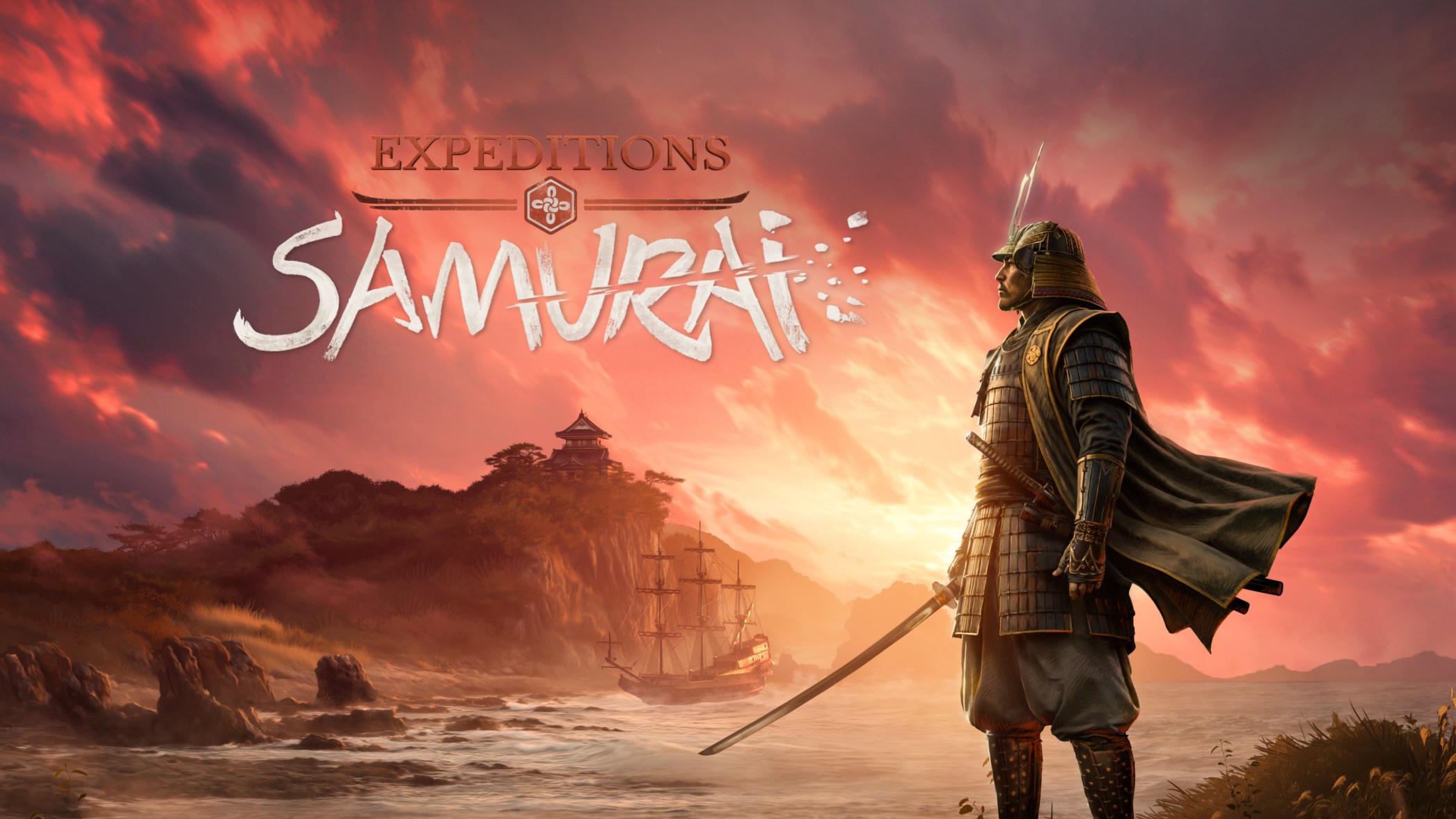
Expeditions: Samurai arrives with the weight of a well-liked series behind it. Campfire Cabal — largely the team behind Expeditions: Rome — have moved the formula to Sengoku-era Japan around 1600, dropping your character into the Hideyoshi-to-Tokugawa power shift as an outsider aboard a half-dead ship.
It’s an excellent premise for this kind of game. You and the player learn the world simultaneously, which gives the writing a natural excuse to explain a genuinely complex political moment without it feeling like a lecture.
What’s here in Early Access is promising and frequently very good. It’s also rough, thin on content, and currently sitting at a Mixed rating on Steam — much of which comes down to expectations about what an Early Access purchase actually gets you.
The Loop
Move across a world map dotted with locations and events. Note that this is a more structured system than Rome’s free-roam approach.
Branching dialogue with real consequences — characters remember what you did, and merchants adjust prices accordingly.
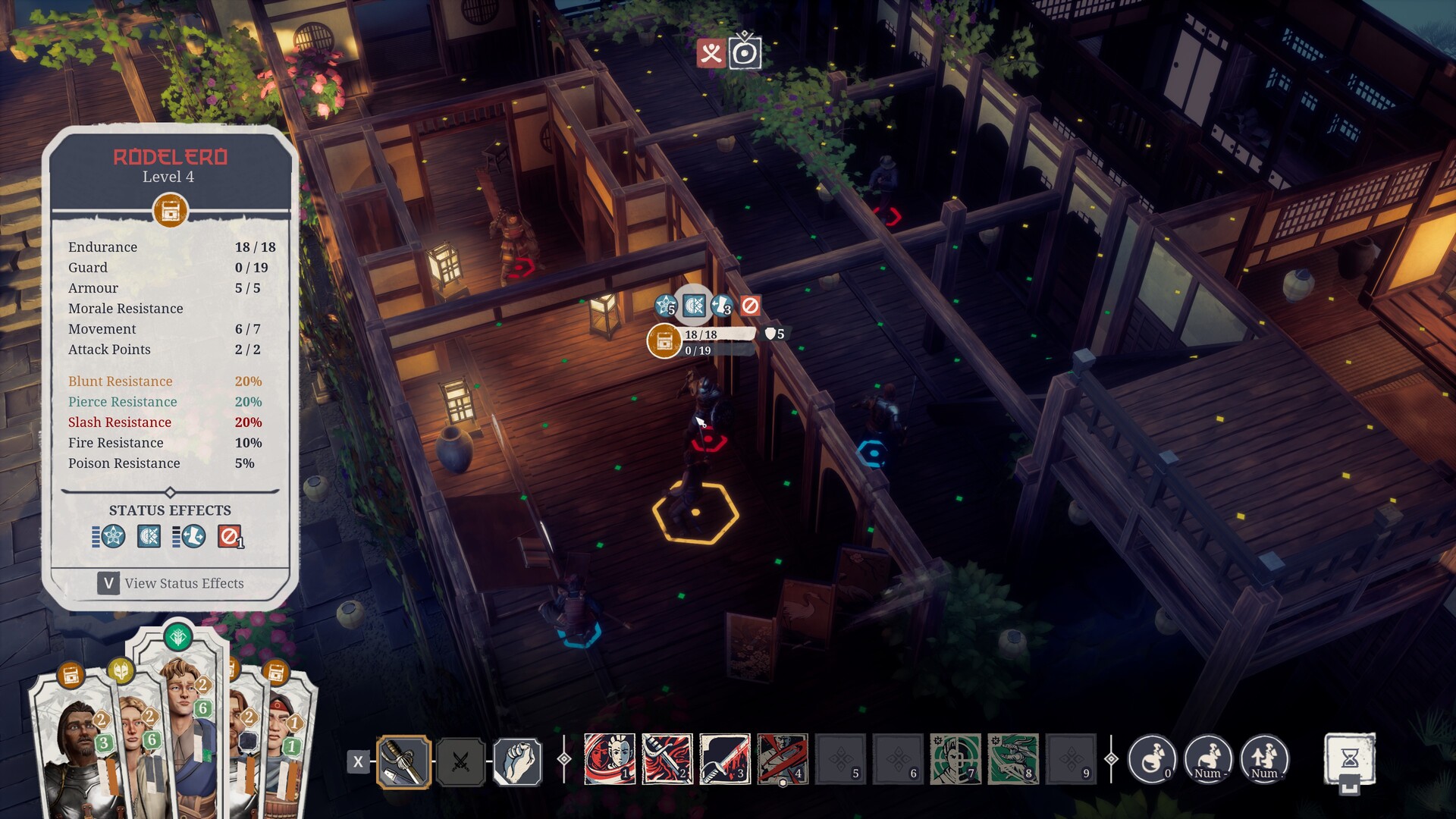
Real-time stealth segments let you ambush enemies before combat begins. In practice, most players end up simply killing everyone.
Familiar Expeditions tactical combat — smooth, responsive, and easy to pick up if you played Rome or Viking.
What’s Already Working
Combat outside of stealth is smooth and responsive, and it’s close enough to Rome that returning players will pick it up immediately. The class and perk systems are also more flexible than Rome’s — any class can use any weapon or armour, closer to the Viking approach — which opens up genuinely more build variety.
The character and skill progression drew consistent praise, as did the companions. There’s no timer either, which for a systems-heavy CRPG is a welcome bit of breathing room.
On presentation, the 2D artwork in the traditional style is lovely, and the music includes nods to earlier games in the series. One notable change: characters appear directly in conversation rather than as static portraits, which several players found far more expressive and immersive over long sessions.
The Art Style Divides People
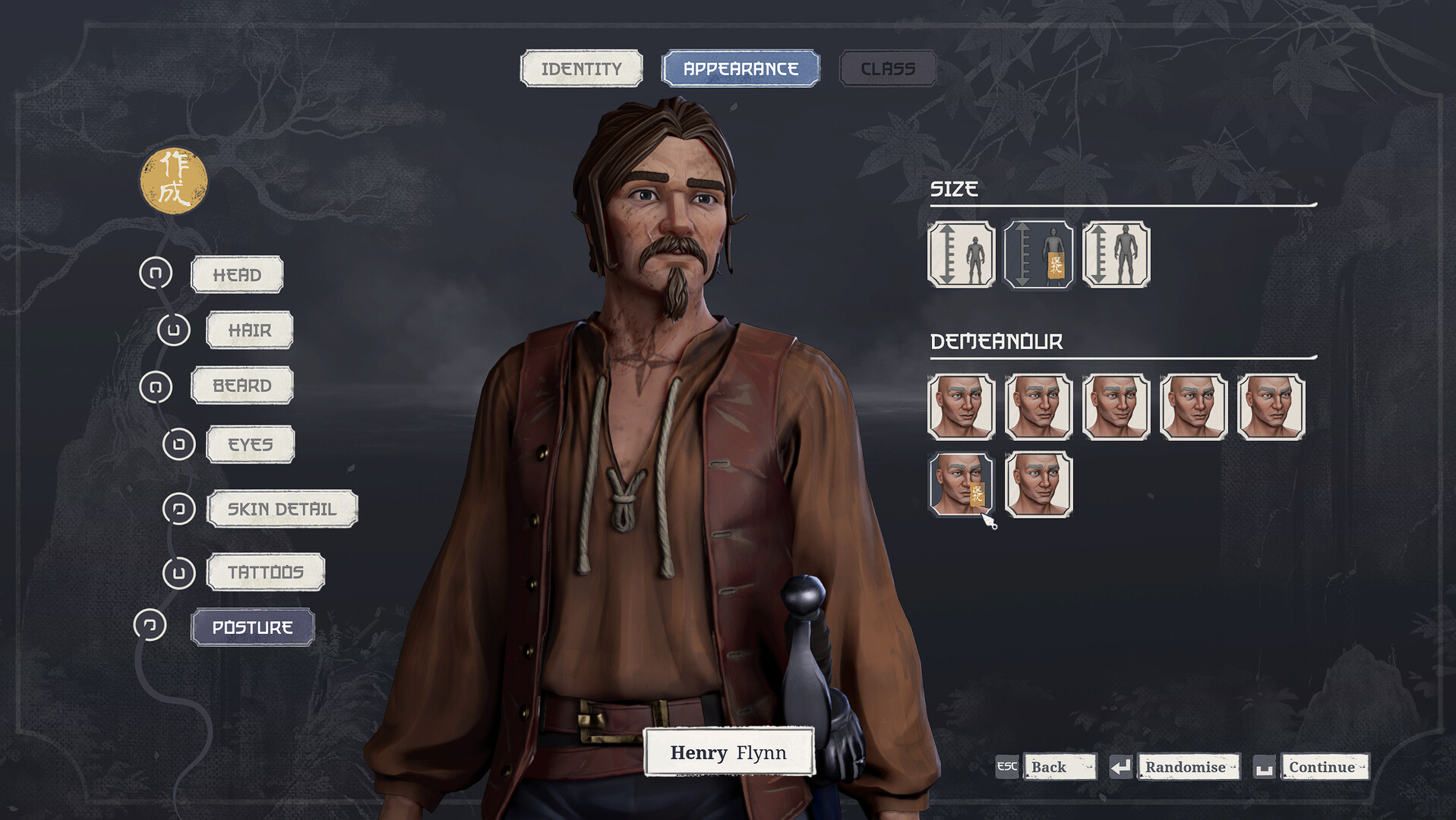
That said, the character models are the most divisive thing here. Reactions split cleanly: some players love the stylised look, appreciate that it runs well on modest hardware, and find the animated conversation faces a real improvement. Others find the models cartoony and the dialogue expressions wildly over-the-top for a story about political intrigue and survival.
Both reactions are legitimate and neither is going away. If the trailers and screenshots appeal to you, you’ll likely be fine. If they give you pause, that hesitation is probably worth trusting — this is a stylistic direction, not a bug to be patched out.
Stealth Is the Weakest System
The kernel of a good idea is here — the mix of CRPG and Shadow Tactics-style infiltration genuinely does give you more options than pure combat. It just needs the pathing fixed, and probably needs a way to hold position or conceal a companion outside combat. As it stands, it’s the system most likely to make you reload.
Friction, Bugs, and Rome Comparisons
Most of these are quality-of-life problems rather than design failures, and most have obvious fixes. The skill-swapping and dialogue-skill issues in particular are the kind of thing a single systems pass could resolve, and they’d disproportionately improve the moment-to-moment experience.
One narrative point worth flagging for series veterans: in Rome, choosing a female protagonist changed how the world responded to you, and that friction made the setting feel more alive. Here the choice currently carries less narrative weight, which slightly softens the reactivity the series is known for. It’s a branching-narrative observation rather than a content complaint — Rome simply did more with it.
The Roadmap Answers the Biggest Question
Campfire Cabal have published a full roadmap through to release, and it directly addresses the “not enough content” criticism. Here’s where things stand:
- 5 Main Quests
- 3 Side Quests
- 14 World Locations
- QOL & health updates
- New armours & weapons
- More customisation
- 7 new main quests
- 3 new side quests
- 12 new locations
- QOL & health updates
- World map encounters
- New items & abilities
- Full story
- 35+ side quests
- Player village
- Crafting
- Minigames
- New game modes
That’s a substantial plan, and two things stand out. Two separate updates are explicitly dedicated to QOL and health — which suggests the team already knows the controls, UI and bugs need work. And “World Map Encounters” in Update 3 reads like a direct answer to the free-roam complaint.
The 1.0 feature list is genuinely ambitious too: a player village, crafting, minigames and new game modes are all substantial additions well beyond simply finishing the story.

The Good, The Bad, & The Ugly
| The Good | The Bad | The Ugly |
|---|---|---|
| Excellent Writing and Voice ActingThe voice work genuinely elevates the script, and choices carry consequences that aren’t immediately obvious — characters remember your actions and merchants adjust prices. The reactivity the series is built on is clearly intact. | Built for a ControllerThe most consistent complaint. Console-first menus, held inputs instead of clicks, no LMB/RMB rebinding, forced right-click movement. Playable on keyboard and mouse, but noticeably worse. | Very Little Content Right NowFive main quests, three side quests, fourteen locations — 5 to 12 hours depending on thoroughness. That’s the root of most of the current Steam reception, and it’s the thing to understand before buying. |
| Strong Setting and PremiseArriving in Japan during the Tokugawa turnover as an outsider means you and the player learn the world together. It’s the right framing for a complex political moment, and the historical grounding holds up. | Quality-of-Life Friction EverywhereManual character swapping to use skills like lockpicking, dialogue skills locked to the main character, a clunkier inventory than Rome’s, and companions wandering off in real-time sections. | Stealth Is Genuinely Broken-ishCharacters fail to perform surprise attacks. Party pathing routes squadmates through no-go zones and starts fights you avoided. Real-time stealth in a turn-based game shifts the challenge to reflexes — most players just kill everyone instead. |
| Flexible Builds and Solid CombatAny class can use any weapon or armour, closer to Viking than Rome, opening real build variety. Combat outside stealth is smooth and instantly familiar to series players, with no timer to rush you. | A Step Back From Rome in PlacesThe world map lost free-roam in favour of fixed event squares, and the protagonist’s gender carries less narrative weight than Rome’s did — softening reactivity the series is known for. | Bugs and StabilityOccasional freezes, noticeable lag when opening doors, combat AI stalling with no turn-skip fallback, and at least one quest where the save/load menu became inaccessible. |
The Verdict
Expeditions: Samurai delivers a compelling blend of tactical strategy and branching narratives set against the Sengoku period’s political intrigue. When it’s working — good voice acting, consequences that stick, flexible builds, familiar tactical combat — it feels like a proper Expeditions game.
The problems are real and they’re mostly not about ambition. The controls were built for a gamepad and the keyboard-and-mouse experience suffers for it. Stealth is finicky enough to actively work against you. Quality-of-life friction shows up constantly, from lockpicking to inventory. And there is, at present, very little game here.
What tips this toward optimism is the roadmap. Two updates explicitly dedicated to QOL and health strongly suggest the team already knows what’s wrong. World map encounters look like a direct answer to the free-roam complaint. And the 1.0 list — full story, 35+ side quests, player village, crafting — is a serious plan rather than a promise to simply finish the campaign.
The honest split: if you love the Expeditions series, own a controller, and are comfortable buying into a first act to support development, there’s a good foundation here worth your time. Several longtime series players are enjoying it a great deal.
If you want a complete CRPG, wait — ideally until after Update 2, when the main quest count roughly triples. If you’re new to the series entirely, Expeditions: Rome is the better purchase today and will still be there afterwards.
The team that made Rome is largely the team making this. That’s the strongest argument for patience — and we’d genuinely like to be revising this score upward in a few months.
For more game reviews, check out our full reviews section.