
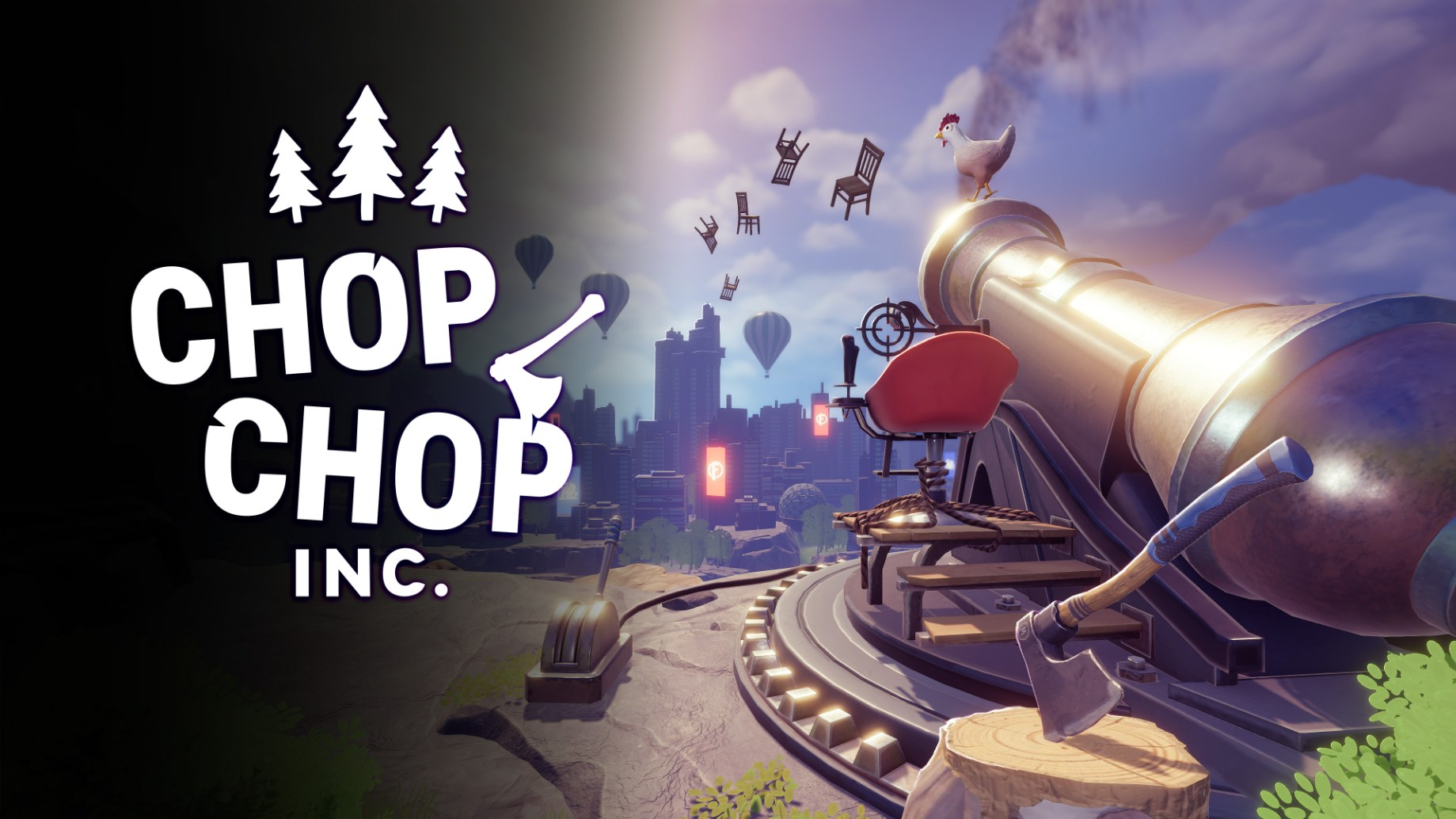
Chop Chop Inc. looks, from the outside, like a fairly standard wood-farming and construction game. Chop trees, mill planks, build furniture, sell it, automate a bit. That’s the pitch, and it undersells the game dramatically.
What NullRef Entertainment has actually made is a genuinely funny, secret-stuffed adventure wearing a lumberjack sim as a disguise. One of our reviewers went in expecting five hours of light progression and lost eleven in a single sitting. Another described befriending a beaver with digestive problems, meeting a commando turtle, getting entangled in local bureaucracy, and exploring an ancient mine — all before finishing their first house.
The wood-chopping is the frame. The world is the point.
The Loop
Fell trees of every shape, size and questionable physics — including stone, metal and electric varieties nobody can explain.
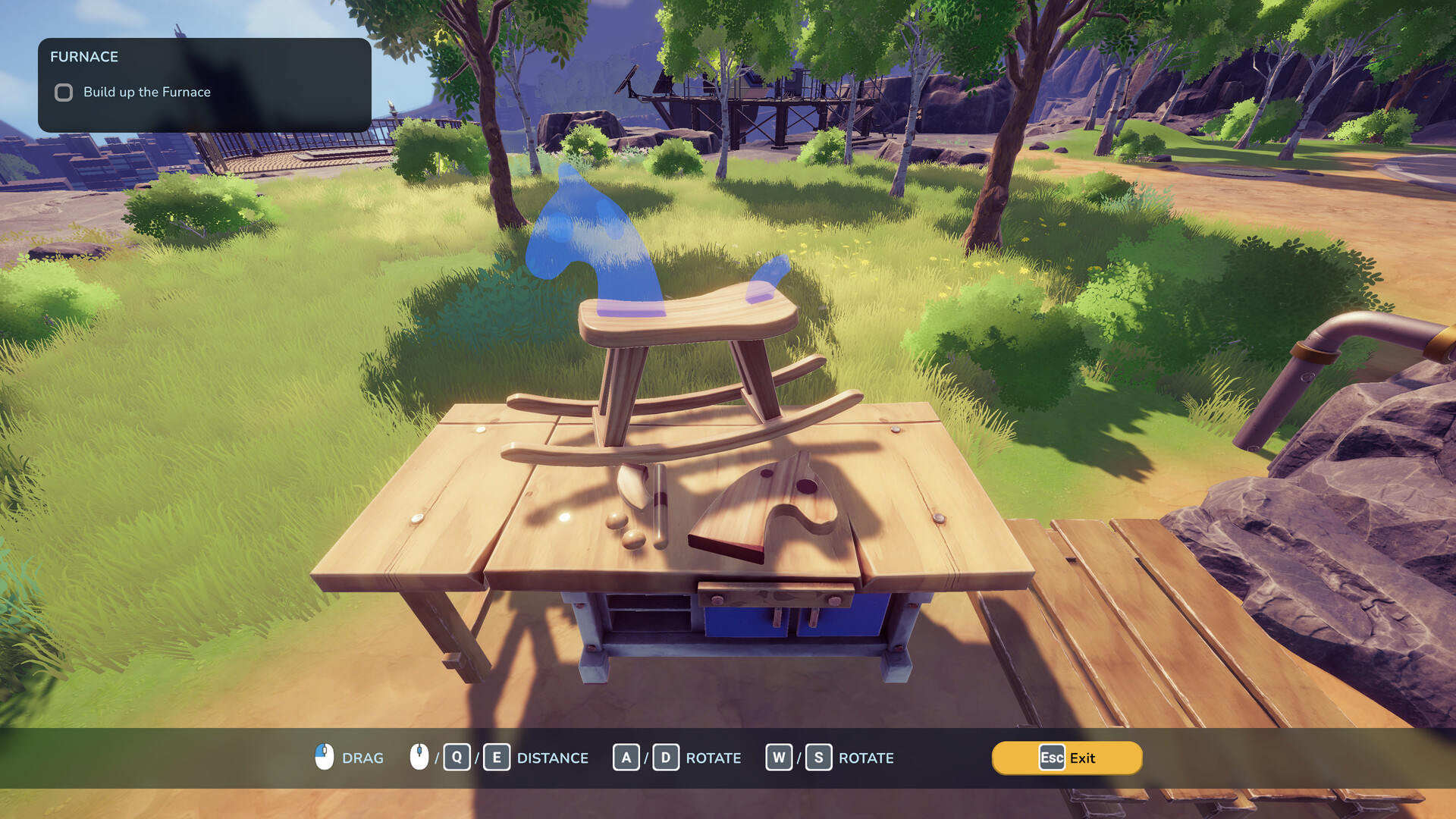
Logs become planks, planks become furniture, furniture becomes profit. Machines handle the middle once you can afford them.
Build an expanding catalogue from blueprints and rare materials — up to and including a wooden PC and a wooden weight bench.
Ship your handcrafted chaos to the city, unlock new customers, and pour the money into better tools and faster lines.
The Writing Is the Best Thing Here
The satire is sharper than it needs to be, too. The premise — fired from a corporation, starting a rival company out of pure spite — is a relatable fantasy, and the game keeps finding new angles on corporate absurdity as you scale up. Several of our reviewers said the writing was what they enjoyed most, more than the actual loop.
Crucially, the game rewards curiosity. Poking at things for no reason frequently produces an achievement, a joke, or a secret. The map isn’t enormous, but it’s dense enough that hunting for hidden items — and yes, ducks — absorbs real time. The ducks, incidentally, are up to something.
It’s also non-linear in a way that feels deliberate rather than unfinished. You can find missions in different orders, or hit a wall and realise you neglected something entirely unrelated. The game doesn’t hold your hand past the tutorial, and it’s better for it.
Then the Late Game Arrives
The root problem is that automation stays too limited for too long. What’s available isn’t fast enough to carry the volume the late game demands, so you end up back at the trees doing by hand what the machines should be handling. One reviewer’s suggestion — improve the auto-harvester, or let players buy a second one for an absurd sum — is exactly the right shape of fix.
Several people described the same shape: the opening clearly had enormous care poured into it, and the endgame feels comparatively rushed. That’s a fixable imbalance rather than a structural flaw, and it’s the difference between a very good game and a great one.
Inventory Management Needs Help
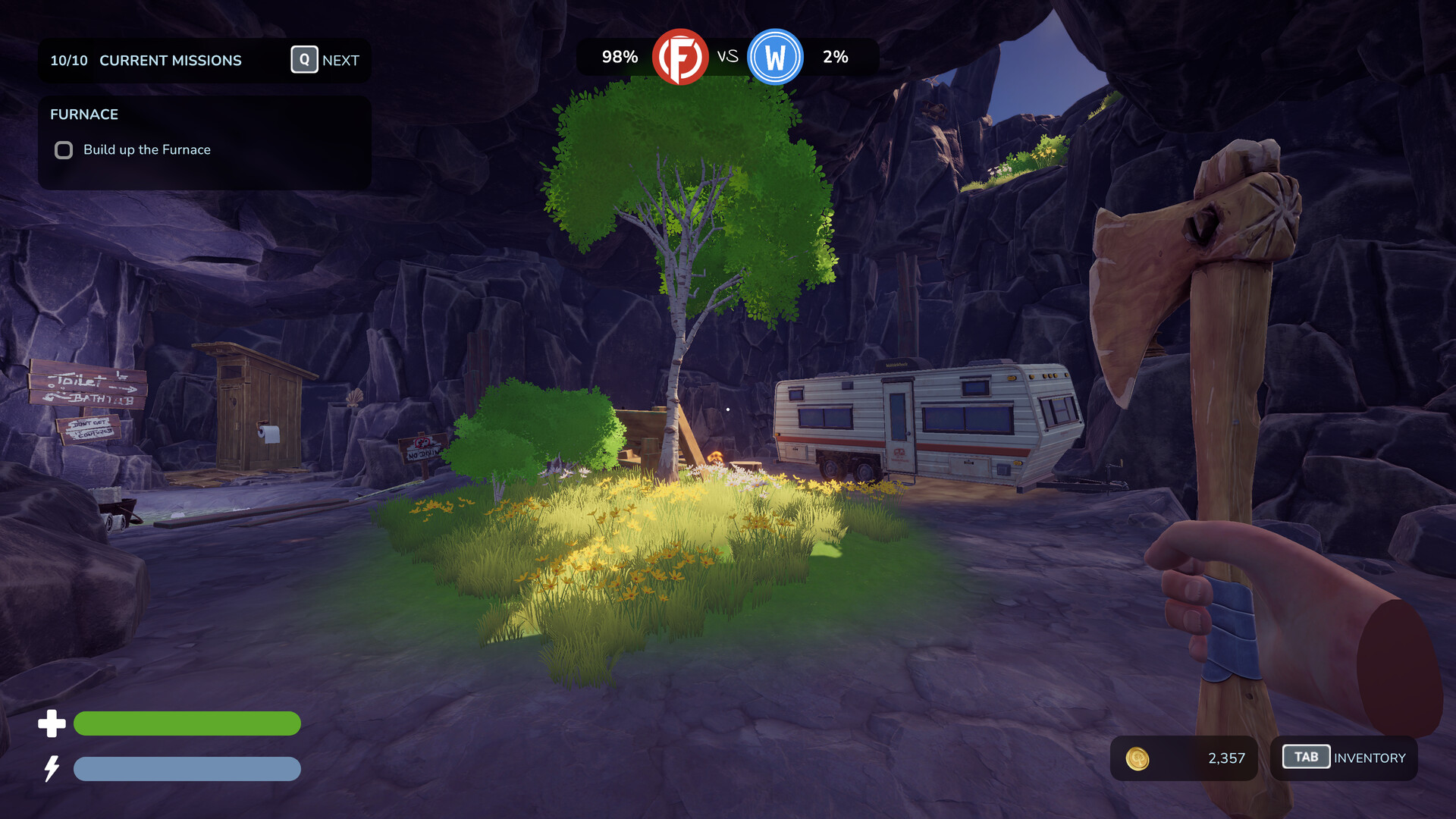
Worth stressing that none of these are deal-breakers, and all of them are patchable. The inventory sorting in particular is the sort of thing that could land in a single update and immediately improve every hour after the first five.
On the technical side, the game holds up. Nobody on our end hit a single bug, and performance was solid throughout — which for a small studio launching a systems-heavy sim is genuinely worth crediting.

The Good, The Bad, & The Ugly
| The Good | The Bad | The Ugly |
|---|---|---|
| Genuinely, Consistently FunnyPacked with references, hidden jokes and absurd characters — you never know what animal you’ll meet or what nonsense they’ll want. The corporate-revenge satire is sharper than it needs to be, and several of our reviewers enjoyed the writing more than the loop itself. | The Late Game GrindsThe universal complaint. Main quests are excellent, but the back half hands you 40+ near-identical “build X and sell it” objectives that read as filler — arriving exactly when manual harvesting has stopped being novel. | No Inventory Sorting or FilteringYou scroll the entire recipe list or inventory to find one item, endlessly. It’s the single most fixable frustration in the game and it compounds every hour you play past the opening. |
| Far Bigger Than It LooksExpected a couple of hours; got 15–17 to full completion. There’s always a next project, and the game is genuinely non-linear — you can hit a wall and realise you neglected something unrelated. It doesn’t hand-hold past the tutorial. | Automation Arrives Too SlowlyWhat’s there isn’t fast enough for the volume the endgame demands, so you’re back chopping by hand doing work the machines should handle. A better auto-harvester — or a very expensive second one — would fix most of it. | A Front-Loaded Development CurveMultiple players described the same shape: enormous care poured into the opening, endgame comparatively rushed. It’s an imbalance rather than a structural flaw, but it’s the gap between very good and great. |
| Excellent Value and Rock Solid$12.99 for 15–17 hours, with no bugs encountered and consistently solid performance. For a small studio shipping a systems-heavy sim, that technical stability deserves real credit. | Food Buffs Feel SkippableThe cooking system is charming and thematically perfect, but the stat boosts are small enough that many players simply stopped bothering with it. | Accessibility Options Are ThinSeveral players asked for optional toggles — ideally in settings, so they don’t alter the base experience for anyone who doesn’t want them. A reasonable ask that would widen the audience. |
The Verdict
This quirky automation adventure lets you build a furniture empire from scratch with satisfying production chains and a world full of personality. That’s the pitch, and Chop Chop Inc. delivers it — but what makes it worth your time is the stuff the pitch doesn’t mention.
This is an adventure game disguised as a lumberjack game. The humour lands, the world rewards poking at it, the characters are consistently delightful, and there’s genuinely far more here than the store page suggests. At $12.99 for the better part of twenty hours, the value is not remotely in question.
The back half is the problem. Automation doesn’t scale fast enough, the quest list bloats with repetitive build-and-sell objectives, and the inventory has no sorting to speak of — which turns the final stretch into busywork right when it should be paying off everything you’ve built. The opening is clearly where the love went.
The honest read: buy it, enjoy a genuinely funny and surprisingly deep dozen hours, and don’t feel obligated to 100% it. The main quests are the good stuff. If the late-game grind starts to bite, you’ve already had far more than $12.99 of entertainment out of it.
And if NullRef patches in inventory sorting and better automation — both of which feel entirely achievable — this jumps up a tier. There’s a great game in here with a rough final act, and that’s a much better problem to have than the reverse.
For more game reviews, check out our full reviews section.