Game: Theos: Cities Of Myth
Developer: Triskell Interactive
Publisher: Dotemu
Genre: Classic City Builder
Released: November 4, 2026
Price: $19.99 · $15.99 at launch (20% off)
Platform: PC (Steam)
🏛️
How we reviewed it: on PC, via Steam. We
reviewed the demo in October, and since the full game launched on November 4, we’ve also noted what early players are saying, many of them longtime Zeus and Pharaoh fans.
7Patron Gods
2Modes
36Achievements
9Languages
$15.99Launch Price
⚡ Know this first: it’s from the team that remade Pharaoh, and it’s aimed squarely at Zeus fans. Theos comes from Triskell Interactive, the studio behind Pharaoh: A New Era, and is published by Dotemu. It launched on November 4 for PC at $19.99, with a 20% launch discount bringing it to $15.99. There’s also a bundle with Pharaoh: A New Era. It’s Windows only, and the developers have already announced a hotfix for early next week.
🏛️ Build a Polis Worthy of the Gods
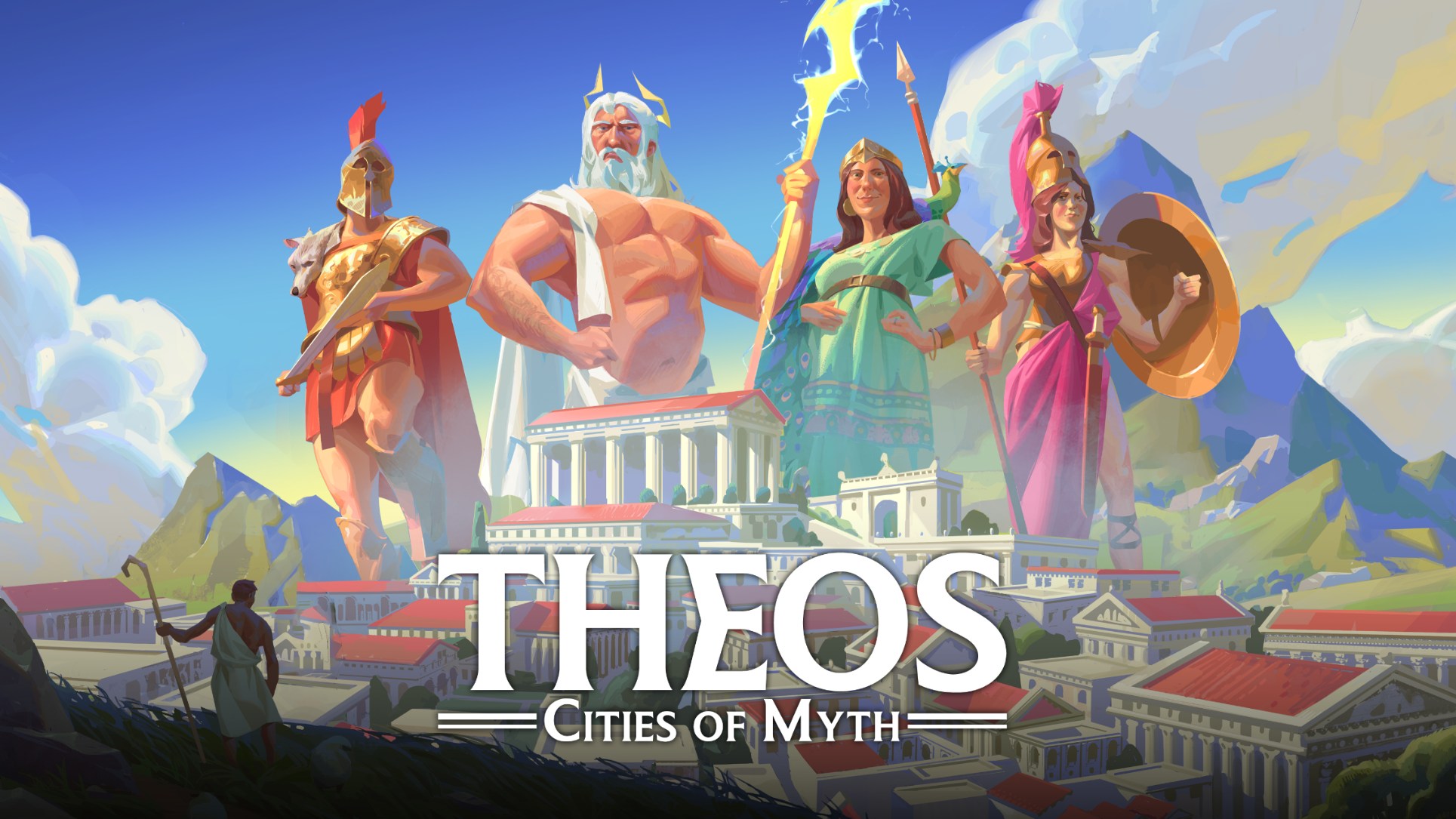
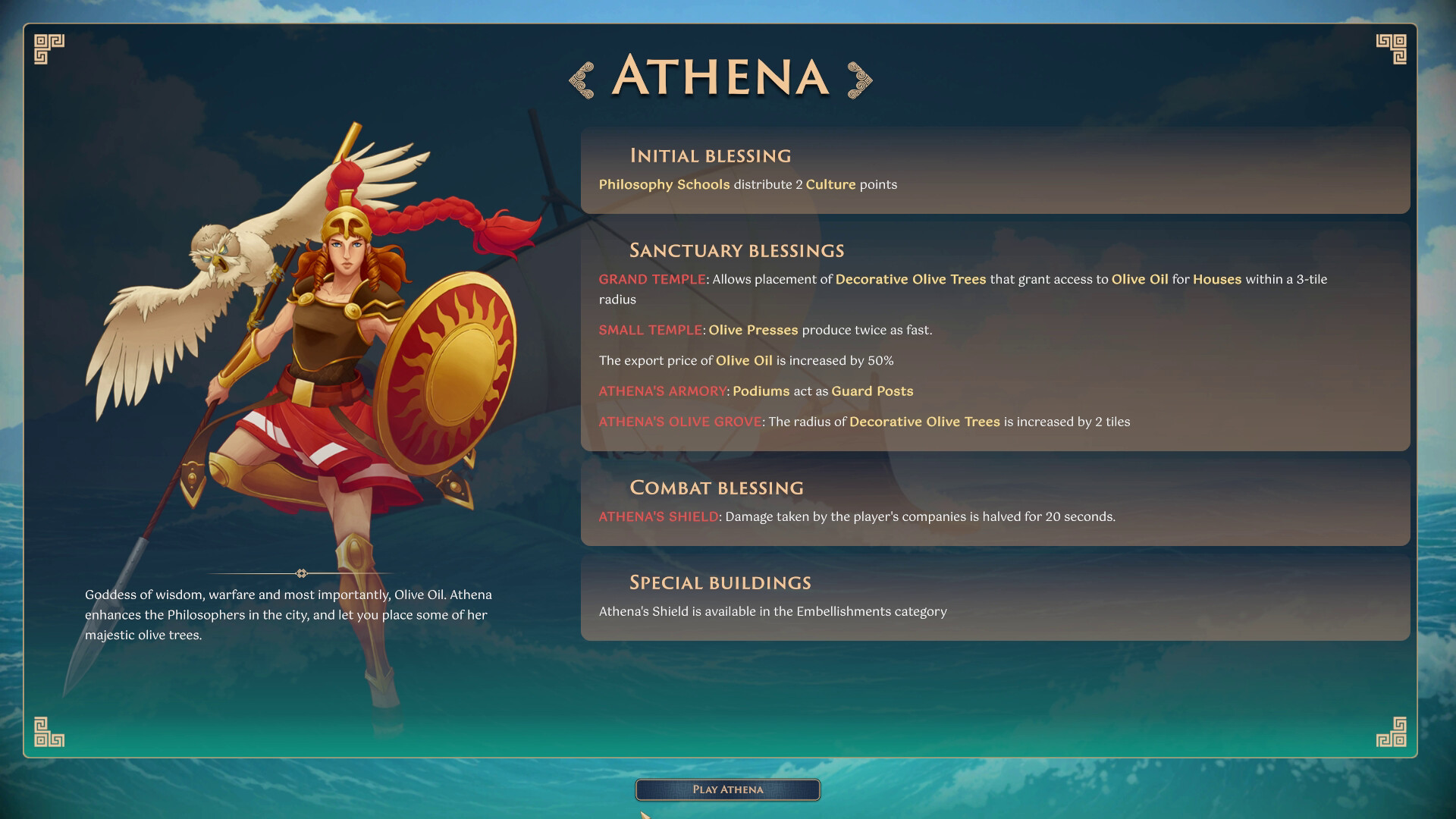
Found a city in Ancient Greece and grow it into a metropolis dedicated to one of seven deities: Zeus, Athena, Hermes, Ares, Poseidon, Hera or Dionysus. Lay roads, gather resources, run markets and storage, and build schools, theaters and temples to keep both your citizens and your patron god happy.
Then look beyond your walls. Found colonies, trade with other city-states, form alliances or wage war, and send legendary heroes on quests drawn straight from myth.
Zeus: Master of Olympus, rebuilt for a new generation.
When we played the Theos demo in October, we called it a worthy heir to Zeus: Master of Olympus in the making. The full game confirms both halves of that sentence. Triskell Interactive clearly loves the classic Impressions Games city builders, and Theos captures their walker-driven, puzzle-like flow with some genuinely smart new ideas. But it’s still rough around the edges, especially for veterans who remember how much detail and life those old cities had.
Our verdict: “Theos offers a refreshing take on city-builders by blending Greek mythology with strategic depth that feels both accessible and rewarding.”
How Theos Plays
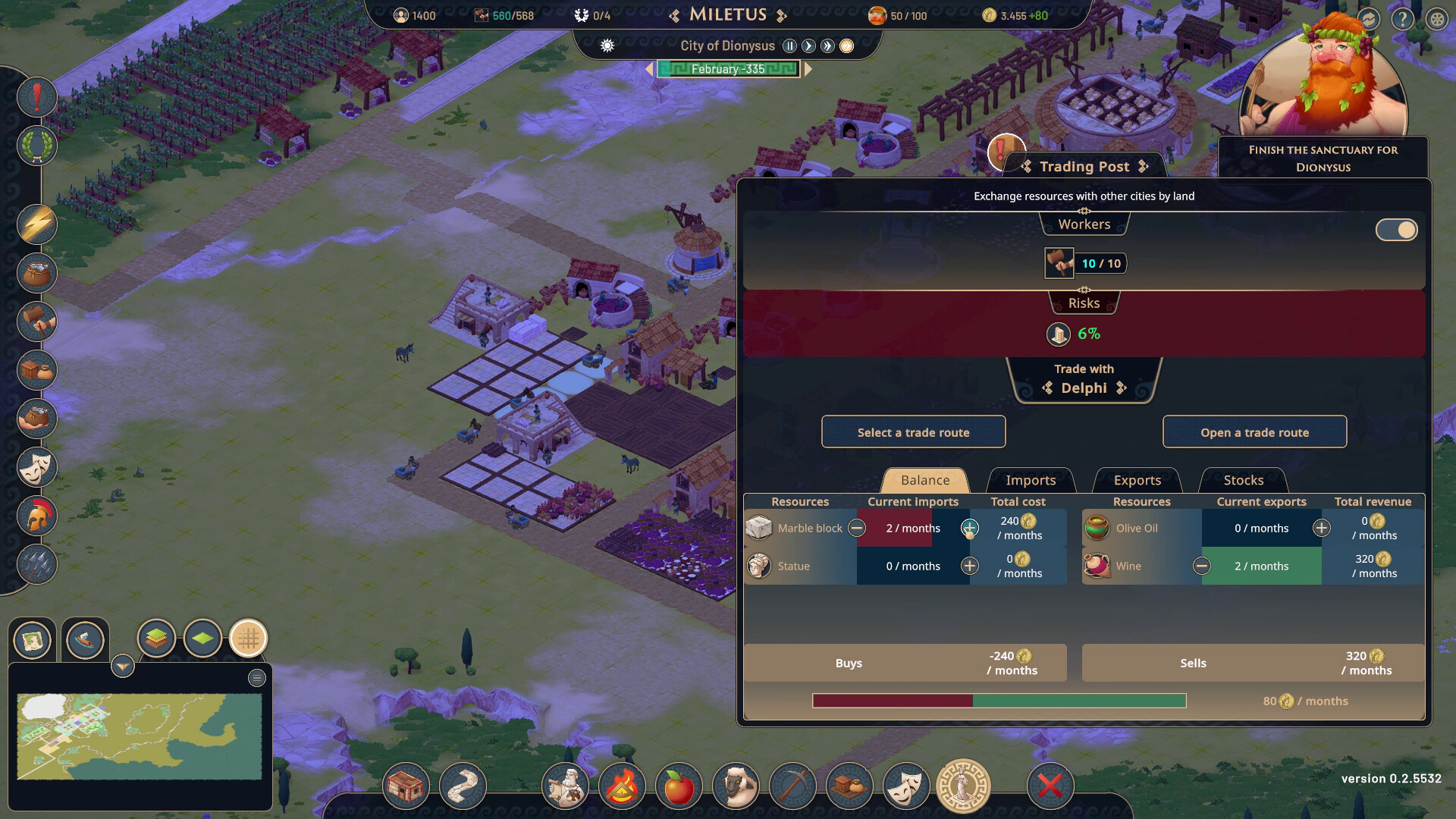
If you’ve played Zeus, Pharaoh or Caesar, the basics will feel instantly familiar. Two modes let you choose how much structure you want.
📜 Adventure
A guided campaign where new buildings unlock as you meet your god’s requests, with set heroes, colonies and the Athens-only Minotaur Statue.
🏗️ Sandbox
Every building and city is open from the start, world events are randomized, and every Great Person and Hero is available.
⚡ Patron Gods
Seven deities, each shaping your citizens and your path. Temple complexes grant powerful god bonuses.
🛡️ Heroes & War
Recruit heroes like Theseus, train specialized troops, run spies, and fight battles by hand or with auto-battle.
A Puzzle Game in a City Builder’s Toga
🧩 Easy to Learn, Real Challenge
One player summed it up perfectly: Theos feels less like a sprawling city builder and more like a fun puzzle game wrapped in one. It’s easy to pick up, the tutorials clearly explain each piece, and the challenges are real without being oppressive. That player expects a dozen hours or more, and called it ideal for unwinding at the end of a rough day.
That accessibility is a big part of the appeal. Another player said modern city builders are often too complex, too demanding on hardware, or survival-focused, and praised Triskell for keeping this old-school style alive. One newcomer-friendly verdict: if you’re new to the genre, this is a decent place to start.
The Gods Done Right
🏺 Temple Complexes Are the Highlight
Even one of its toughest critics found something to love. A lifelong Zeus fan called the temple complexes and god bonuses a real improvement over Zeus. Specialized military training is straightforward once you learn to place an agora near your barracks so it can sell them wood and weapons, and the spy system is fine. If combat isn’t your thing, auto-battle has your back.
For players who grew up on Impressions Games, there’s plenty of nostalgia. One said it “takes you back” and that anyone who enjoyed Pharaoh: A New Era should like this one too. Opinions on the visuals vary: one player called the graphics great and another called them cute, while a third found them too simple, almost like a mobile game.
Where It Stumbles
⚠️ Cracks in the Marble
1. A quiet city. Three players say the cities sound too quiet, with minimal ambience and many buildings without sound effects. Citizens have no voice lines, just short text when you click them, which one Pharaoh fan called the saddest part.
2. Missing detail. Two players noticed that carts and haulers don’t show what goods they’re carrying, and walkers don’t tell you much about where they’re going. A couple also found the frequent “fireworks” effect intrusive, and some walkers slide or float instead of walking.
3. Clunky UI. Two players called the warehouse controls clunky and unintuitive. There’s no undo button, no key rebinding, and auto-pathing can do funny things to roads around an agora. One player was stuck for a while before realizing heroes like Theseus are recruited through a button on an untrained barracks.
4. Thinner than Zeus. One veteran found the world map shallow, the campaign structure less clear, and food options limited early in Athens. Another missed sea-based buildings and the roaming monsters of the classics.
5. Bugs. One player couldn’t build a required temple in Miletus despite having the resources and had to restart the campaign. Another found that troops reach their destination almost instantly, and one said Samos couldn’t be traded with despite an open route.
🛠️ A Hotfix Is on the Way
Triskell has announced a hotfix for early next week covering pathfinding, achievements not unlocking and visual issues, and is gathering feedback on Steam and Discord. The demo also got fast crash fixes in October, which is a good sign. Accessibility features include a mouse-only option, narrated menus, custom volume controls and save anytime.
Things to Know
📋 Before You Buy
• $19.99 · $15.99 with the 20% launch discount · bundles including Pharaoh: A New Era
• Windows only · single-player · Adventure and Sandbox modes
• 36 achievements · Steam Trading Cards · Steam Cloud · 9 languages (English full audio)
• Rated USK 12 for violence in Germany · no controller support listed
• Minimum: Windows 10 64-bit, Core i3-4170 or Ryzen 3 1200, 12 GB RAM, GTX 1650 or RX 5500 XT (4 GB), 8 GB of storage
The Good, The Bad, & The Ugly
| The Good |
The Bad |
The Ugly |
| Temple ComplexesGod bonuses that improve on Zeus. |
Silent CitiesLittle ambience, no voice lines. |
The FireworksYou’ll think your city is exploding. |
| Easy to LearnClear tutorials and fair challenges. |
Clunky WarehousesFiddly storage controls. |
— |
| Zeus NostalgiaA genuine love letter to the classics. |
Missing DetailCarts and walkers tell you little. |
— |
| Two ModesGuided Adventure or open Sandbox. |
Launch BugsIncluding a campaign-blocking temple bug. |
— |
The Verdict
Theos: Cities Of Myth is the closest thing to a new Zeus: Master of Olympus we’ve had in decades, and that alone makes it worth attention. It’s approachable, satisfying in a puzzle-solving way, and its temple complexes and patron gods are genuinely smart additions. Newcomers will find it a great entry point to classic city builders.
Veterans will notice what’s missing: atmosphere, sound, walker detail, and the rich world interactions of the originals. The UI needs work, and a few launch bugs can stall a campaign. The good news is that Triskell is listening, and a hotfix is already on the way.
The honest read: if you’re new to the genre or desperate for some Zeus nostalgia, it’s worth it at the launch discount. If you’re a picky veteran, give it a few patches.
For more game reviews, check out our full reviews section.
Score Breakdown
Patron Gods & Temples8.5/10
Accessibility for Newcomers8.5/10
Final Score
7.0/10
Theos: Cities Of Myth — Triskell Interactive / Dotemu
A worthy Zeus successor that still needs a few blessings.
Related