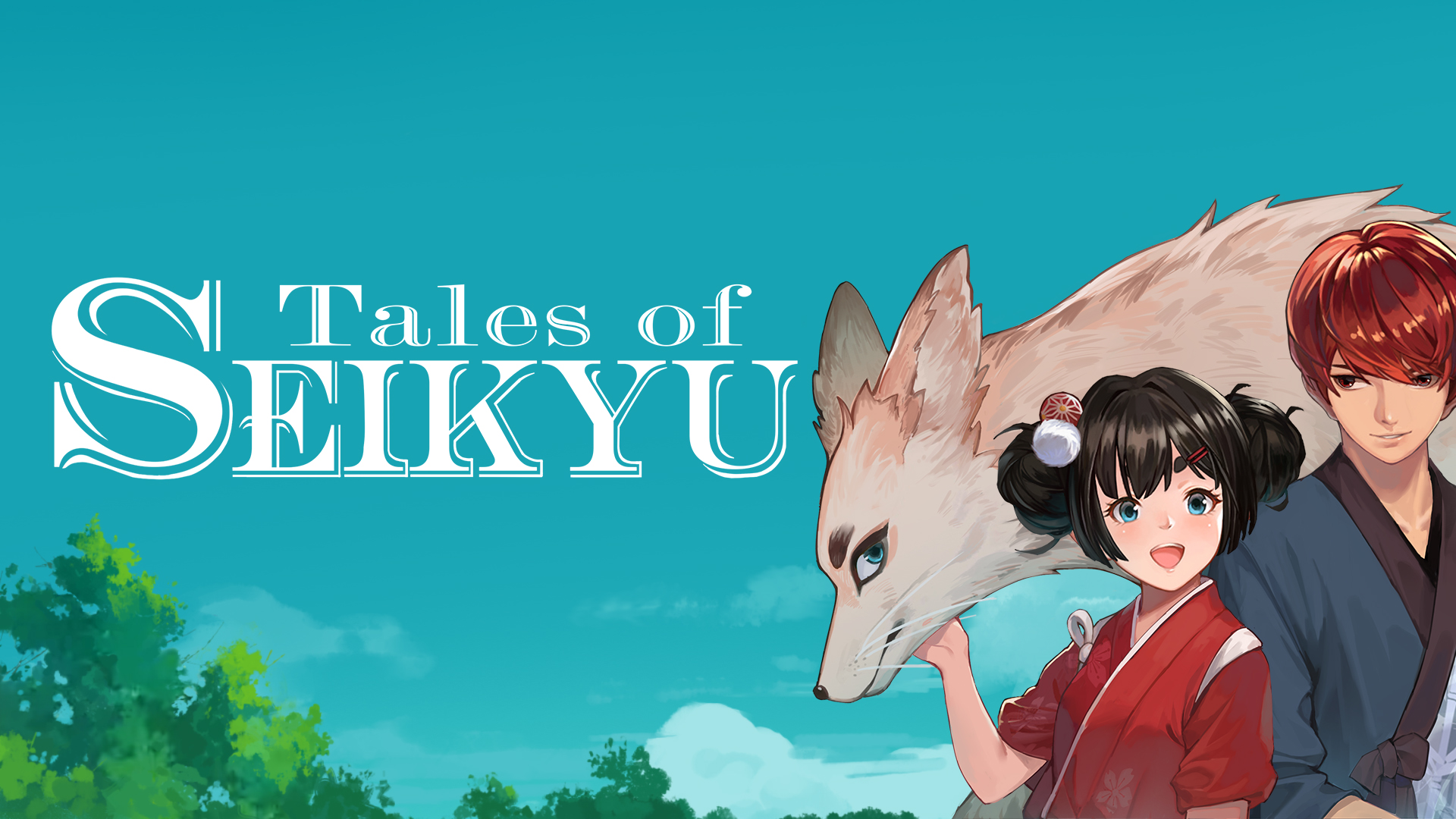
Tales of Seikyu is a farming and life sim set on an island of yokai spirits, where you inherit an old farmhouse, grow crops through the seasons, befriend a village of mythological weirdos, and — because you’re a descendant of the Fox Clan — shapeshift into different spirit forms to reach places your human body can’t. It’s warm, it’s strange, it’s charming, and it will eat a hundred hours of your life without you noticing.
It also has a genuinely long list of rough edges. The remarkable thing — and the thing that decides this review’s score — is that almost every player who lists those rough edges still recommends the game. The community consensus on Tales of Seikyu is something like “here are eleven things wrong with this, I played 83 hours, buy it.” That’s a specific and unusual kind of endorsement, and it’s worth understanding why before you decide whether it’s for you.
The Yokai Forms
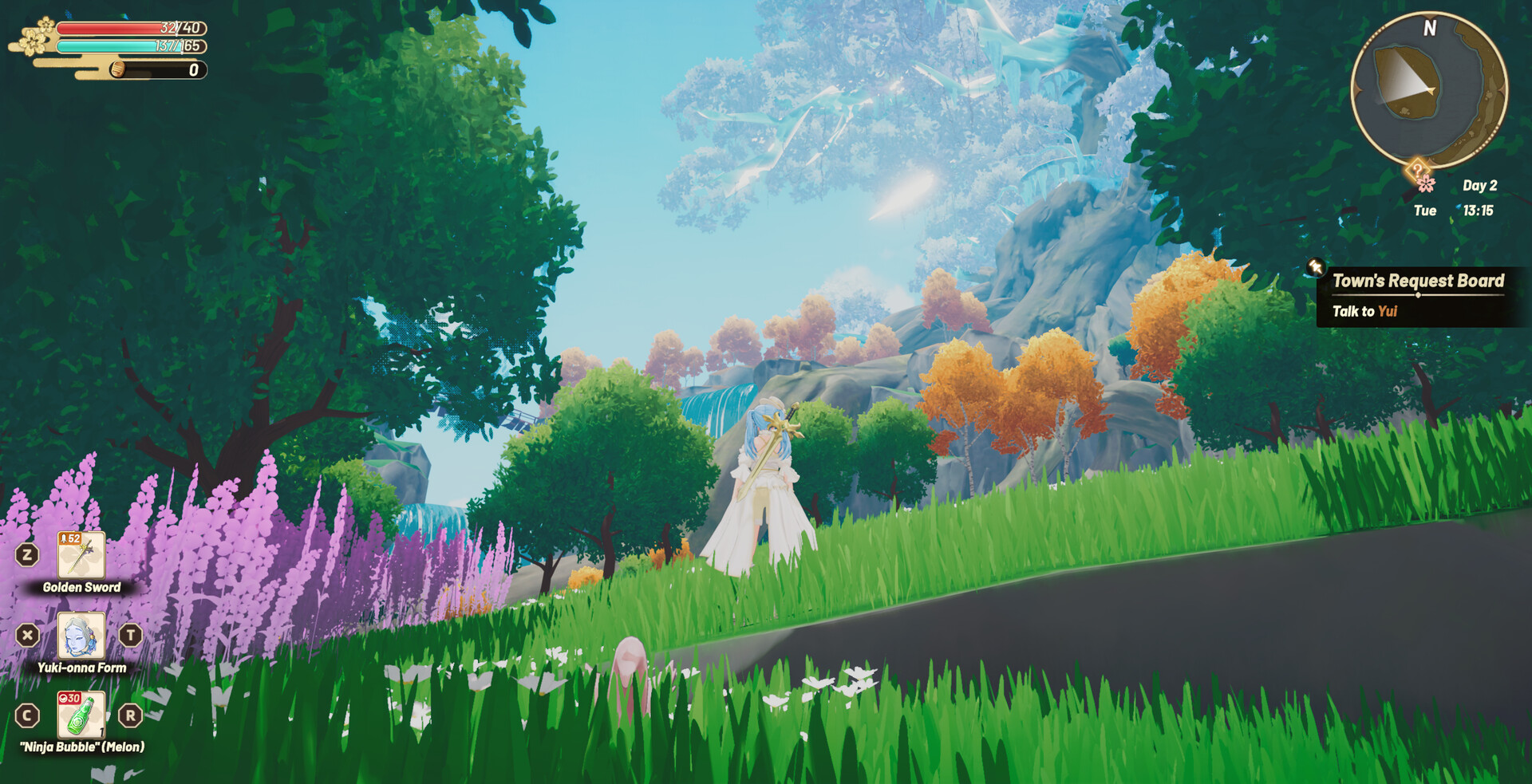
The shapeshifting is what separates Seikyu from the crowded cozy farming field. As a Fox Clan descendant you transform into different spirit forms, and each one opens parts of the island the others can’t reach — hidden ruins, distant hilltops, sunken treasures. It’s a traversal system built into the setting’s mythology rather than bolted on, and the exploration it enables is consistently the community’s favourite element of the game.
Charge through fields and terrain. The heavy, grounded form — useful for both traversal and clearing.
Soar on the wind to reach hilltops and distant locations. Flight is limited to a few wing flaps regardless of your endurance stat — a genuine frustration players have flagged.
Slip beneath the waves. Sunken treasures and underwater areas open up in this form.
Additional forms unlock across the campaign. Each meaningfully changes how you move through Seikyu — though their combat utility drops off sharply as you progress.
What It Gets Right
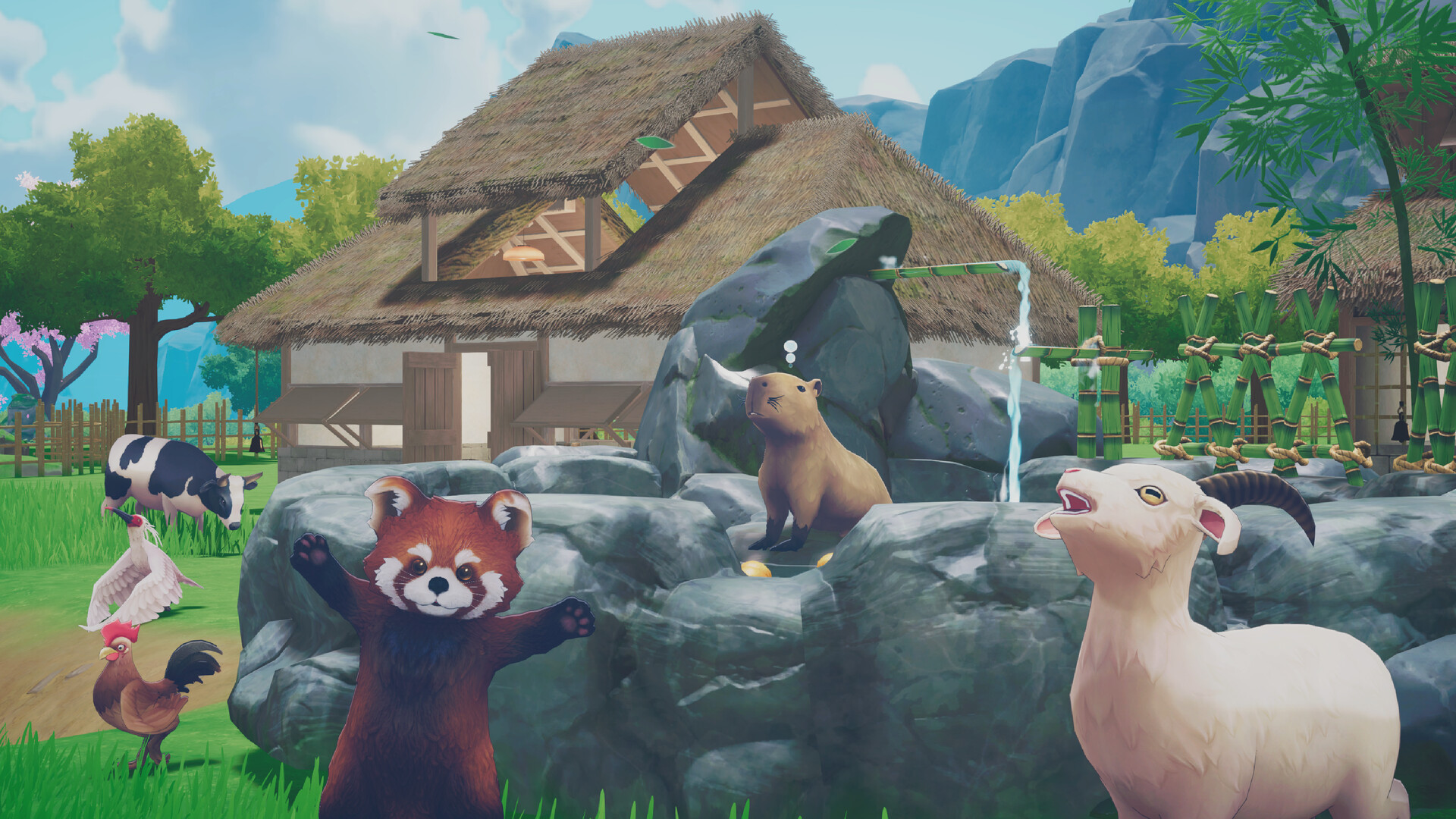
The characters carry this game and everyone agrees on it. Torleone the thoughtful otter fisherman, Sasaki the well-meaning carpenter perpetually mid-project, Nyotengu the watchful guardian of the island skies — the cast is weird, specific, and genuinely written rather than assembled from cozy-game archetypes. Community reviewers consistently name the characters as the best thing in the game, and the true-form reveals for the yokai villagers are a real payoff for time invested.
The exploration rewards curiosity. Seikyu is built to be poked at, and the game gives you something for looking in the corners. The seasons genuinely shape the experience — crops, festivals, the pace of village life all shift as cherry blossoms give way to snow. The interior decorating is well-implemented enough that your farmhouse gradually becomes yours rather than a furniture dump. And the merchant cats who’ll sell you completion items mean that if you hate fishing, you can simply… not fish. That’s a small mercy that more sims should copy.
The story is also more ambitious than most farming sims attempt — there are real twists and a sense of scale that the genre usually skips. Combined with a ~40-hour main story and 50–80+ hours to see most of the content, the $24.99 price is not in question.
Where the Rough Edges Are
The honest list, drawn from what players who’ve put 40–100+ hours in consistently report:
Marriage and post-romance content is the biggest gap. You get married, your spouse appears in their room, and that’s largely it. No shared bed, no meaningful post-marriage interactions, no hanging out or shared chores. Dialogue goes stale quickly once you’re in a relationship. This is the single most consistent complaint and it’s the one the developers have publicly flagged on the roadmap.
Skill progression is largely decorative. You level combat, farming, and fishing to 10, and the number goes up. You unlock some recipes. There’s not much else behind it.
Yokai combat scaling. The spirit forms are excellent for traversal and increasingly useless in combat as you progress — their damage doesn’t scale, so late-game you’re staying human with your preferred weapon.
The Fox Ruins map design. Several reviewers with extensive farming-sim experience call this among the worst dungeon map designs they’ve encountered. Navigating should be challenging because of the challenge, not because the map is confusing.
Fishing has no location logic. Any fish can be caught in any water. River, lake, ocean — no distinction. Makes targeting specific fish for quests a slog.
Performance and bugs. Stuttering and framerate dips that don’t match the game’s visual demands. HUD icons occasionally stop rendering until restart. Clothing bugs causing T-posing. Falling through the map. Floating grass textures. Not universal, but consistently reported.
Quest system. One pin at a time, most quests lack markers or direction, and progression gates aren’t communicated. Tutorials are essentially absent.

The Good, The Bad, & The Ugly
| The Good | The Bad | The Ugly |
|---|---|---|
| The Characters and the SettingUniversally the best thing in the game. The yokai villagers are weird, specific, and genuinely written, and the Japanese folklore setting gives Seikyu an identity that most cozy farming sims can’t claim. This isn’t a reskinned Stardew — it’s its own world. | Marriage Is Barely ThereYou get married and your spouse becomes a token in a room. No shared bed, no meaningful post-marriage content, no interactions of substance. Dialogue repeats immediately. This is the single most consistent community complaint and it’s on the roadmap for a reason. | Fox Ruins Map DesignReviewers with deep farming-sim experience are calling this one of the worst dungeon map designs they’ve encountered. The confusion isn’t challenge — it’s just bad wayfinding, and it turns an otherwise enjoyable dungeon into a chore. |
| Yokai Forms as TraversalThe shapeshifting system is a genuinely clever fusion of setting and mechanics. Boar, tengu, water spirit — each opens parts of the island the others can’t reach, and the exploration this enables is consistently what players love most. | Hollow Progression SystemsSkills level to 10 and do essentially nothing. Yokai combat damage doesn’t scale, making the forms useless in late-game fights. Crafting largely exists to feed daily quests. Multiple armour slots appear to have been forgotten entirely. A lot of systems that look deep are decorative. | Performance Doesn’t Match FidelityStuttering and sub-60fps on medium settings for a game that isn’t visually demanding. HUD elements that stop rendering until restart. Falling through the map. Floating grass. None of it is game-breaking; all of it is noticeable. |
| An Actual Story, and Time That VanishesSeikyu attempts more narrative ambition than the genre usually bothers with, and it lands. ~40 hours main story, 50–100+ hours full. Players consistently report losing track of time entirely — the “one more day” rhythm is intact and powerful. At $24.99 the value is unambiguous. | Thin EndgameOnce the main story is done there isn’t much pulling you back. Somewhat typical of the genre, but noted often enough to matter. The post-1.0 roadmap is the answer here, and it’s a real one. |
The Verdict
Gentle and sincere, this slice-of-life sim offers slow magic and heartfelt moments. A peaceful village full of curious stories and quiet mysteries. A warm hug in game form. That’s the TBB Curator blurb and it’s true — but the more useful summary is the one the community keeps writing without quite saying it out loud: Tales of Seikyu has a long list of problems and none of them stopped anyone from playing eighty hours.
That’s the review. The charm carries it. The characters carry it. The yokai forms and the island and the seasons and the slow accumulation of a home you actually made carry it. The marriage content is thin, the skills are hollow, the ruins map is genuinely bad, and the performance is worse than it should be — and you will still lose an entire weekend to this game and be glad about it.
The post-1.0 roadmap changes the calculus. ACE Entertainment is actively targeting the exact gaps players are naming — romance interactions, a kids system, more customisation, ongoing optimisation. The Shrine of Love update already landed. If you’re a cozy farming sim fan, buy it now; the foundation is excellent and it’s only getting better. If you’re on the fence and want the romance and endgame content filled out first, wait a few months and you’ll likely get a better game for the same money.
For more game reviews, check out our full reviews section.