
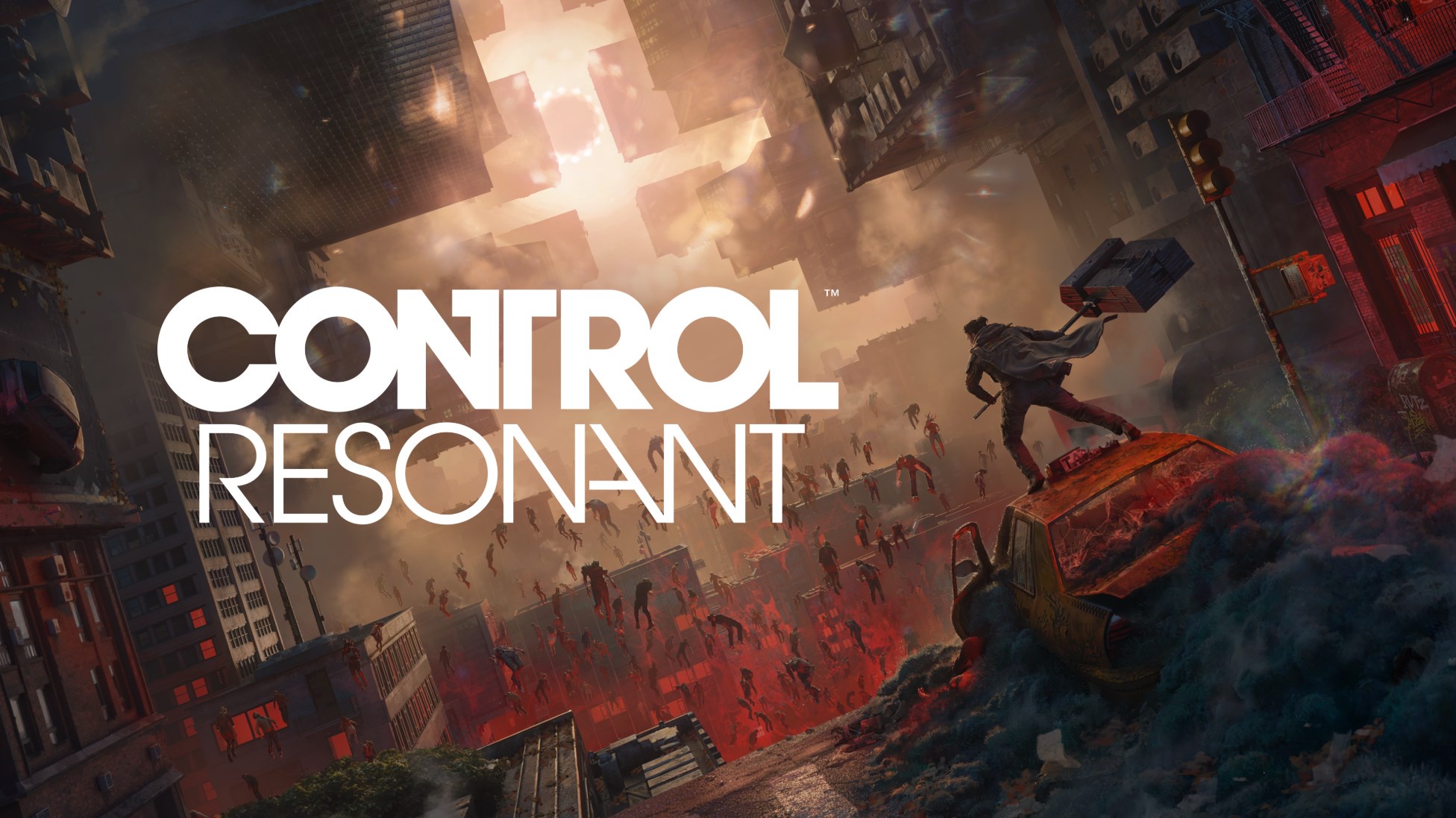
CONTROL Resonant is Remedy Entertainment’s sequel to its award-winning Control, and its largest game to date — an action-adventure RPG set in a warped Manhattan on the brink of paranatural annihilation. It’s in Steam’s Top Sellers with a Very Positive rating across more than 9,500 reviews and 83 on OpenCritic.
We’ve played the opening hours, and gathered impressions from players who’ve seen it through to the end. Our verdict: this reality-warping action RPG delivers mind-bending combat and a genuinely unsettling atmosphere that grips you from start to finish — even if that combat takes a while to click.
A Story About Family
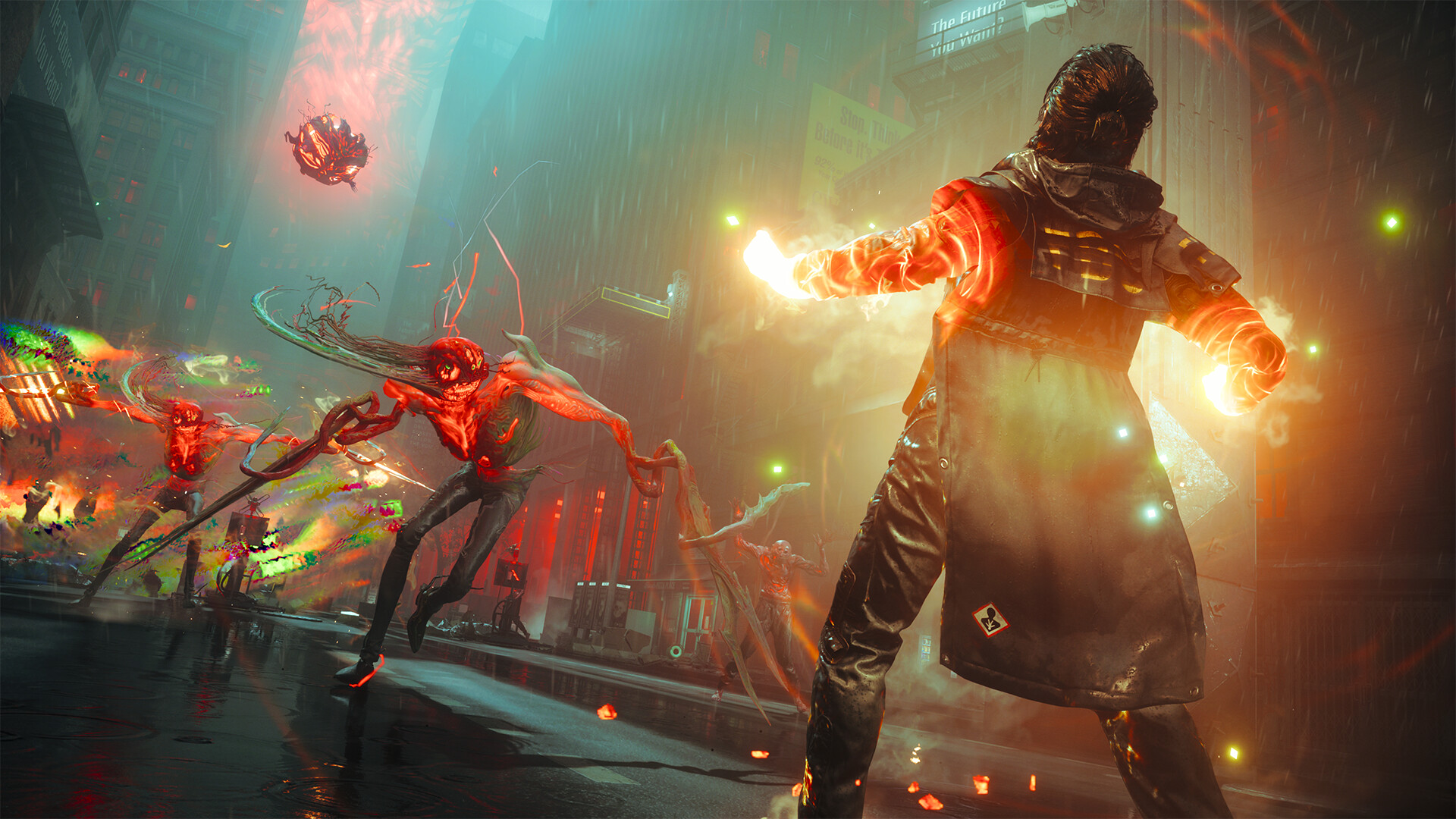
The story is where Resonant earns its loudest praise. It’s built around two siblings caught in a conflict between entities capable of wiping out reality — Dylan in Manhattan, and Jesse, now Director of the FBC, whom he’s searching for. Several players were surprised by how much it’s really about family, love and sacrifice, and one called it their new favourite narrative in any game.
Dylan himself is a different kind of hero. Many of the Bureau’s embittered agents view him with fear and disgust, and he carries a heavy burden of atonement for what the FBC made him. He’s openly vulnerable — and while some players have criticised that, others argue it’s exactly the point: being afraid doesn’t make him weak, and he’s one of the most powerful characters in the game. The Fault sequences, where Dylan searches for Jesse while unlocking new traversal abilities, are singled out as some of the strongest environmental storytelling in the game.
The Aberrant and the Combat
Dylan’s signature weapon is the Aberrant, a shapeshifting paranatural blade that morphs on demand — a bone-crunching two-handed hammer one moment, dual-wielded blades or a scythe the next. Alongside it come elemental abilities and the environment itself, plus gravity anomalies that add new tactical dimensions to fights.
It’s also the most divisive part of the game. Combat is chaotic to the point of overwhelming early on, with dense groups of enemies and a camera that stays pulled back even in big fights, so it’s easy to get clipped by projectiles from off-screen. Some players found it too reliant on basic-attack spamming, without the animation cancelling or air-and-ground combos of a dedicated action game. But nearly everyone agrees it gets much better as Dylan grows stronger — by the late game, players describe weaving fluidly through enemies.

Movement, Exploration and Side Content
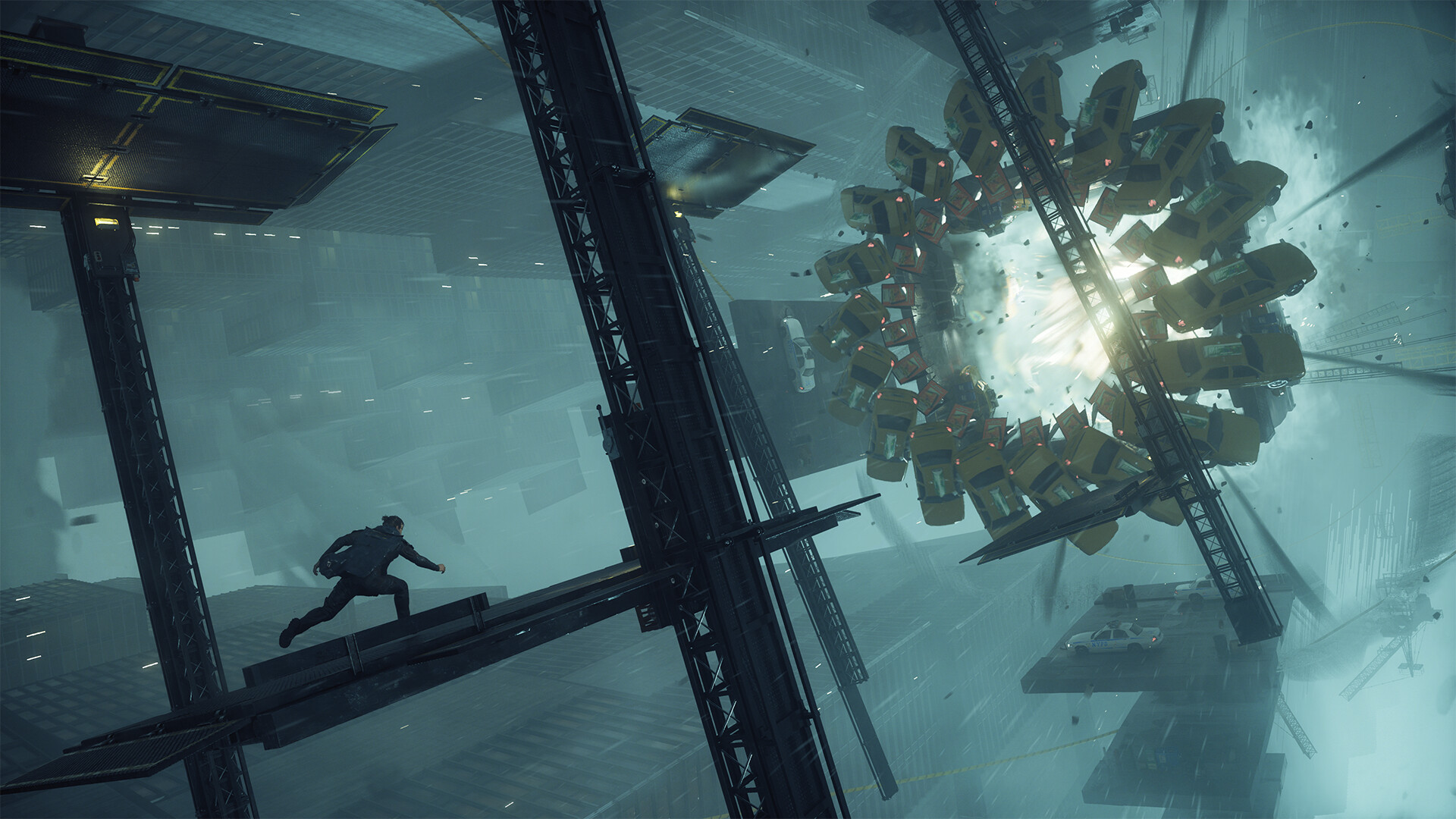
If the combat takes time, the movement is excellent from the start. Players describe it as smooth, responsive and genuinely fun — even self-confessed open-world sceptics enjoyed getting around. Freefalling through Manhattan while inverting gravity, as one put it, never stops being exhilarating.
Side content is built around familiar open-world checklists, but with Remedy’s flair: Threshold testing facilities with compact puzzles, hideouts disguised as storefronts with riddle-locked caches, Taxi Thresholds that task you with spotting the odd one out, and an Altered Item questline that players call the best of the lot. There are also, crucially, sad dogs that need their toys returned — and at least one player admitted caring about that more than saving Manhattan.
What Holds It Back
Things to Know Going In
The Good, The Bad, & The Ugly
| The Good | The Bad | The Ugly |
|---|---|---|
| When It Gets Weird, It’s Peak WeirdGravity-flipping streets, layered districts and an inverted Manhattan of floating islands. The Ashtray Maze, stretched into a whole game. | Combat Takes Time to ClickChaotic and spammy early on, with a distant camera and hard-to-read enemies. It gets much better — eventually. | A Slow OpeningThe first few hours and early Manhattan are the least interesting part of the game. Push through. |
| A Story With Real HeartA sibling story about family, love and sacrifice. Some players call it the best narrative they’ve played. | Thin Enemy VarietyRepetitive early and mid-game foes, and a few late bosses that feel like chores. | An Unintuitive Upgrade SystemAberrant strength scales from your whole upgrade pool — miss that and the game gets punishing. |
| Superb MovementSmooth, fast and exhilarating traversal that makes even open-world sceptics enjoy exploring. | Familiar Side ContentChecklists per zone, even if the Altered Item questline and riddle hideouts are great. | — |
| Strong AccessibilityNine features including Assist Mode, which can make the combat far more approachable. | — | — |
The Verdict
CONTROL Resonant takes a real risk: leaving behind the single, perfect building that made Control special, and spilling its strangeness across an open city. It doesn’t always land — early Manhattan is ordinary, the combat is overwhelming before it becomes thrilling, and the side content leans on familiar structures.
But when Resonant commits to its weirdness, there’s nothing else like it. The traversal is a joy, the art direction is breathtaking, and the story — a surprisingly tender one about siblings and family — has players calling it among the best Remedy has ever told. Few games this year have been so confidently, gloriously strange.
The honest read: an essential play for anyone who loved Control, and a great one for anyone after something genuinely different. Turn on Assist Mode, spend every upgrade point, and give it a few hours to find its feet. Then let it pull you somewhere you won’t expect.
For more game reviews, check out our full reviews section.
Score Breakdown
Discover more from TheBigBois
Subscribe to get the latest posts sent to your email.