
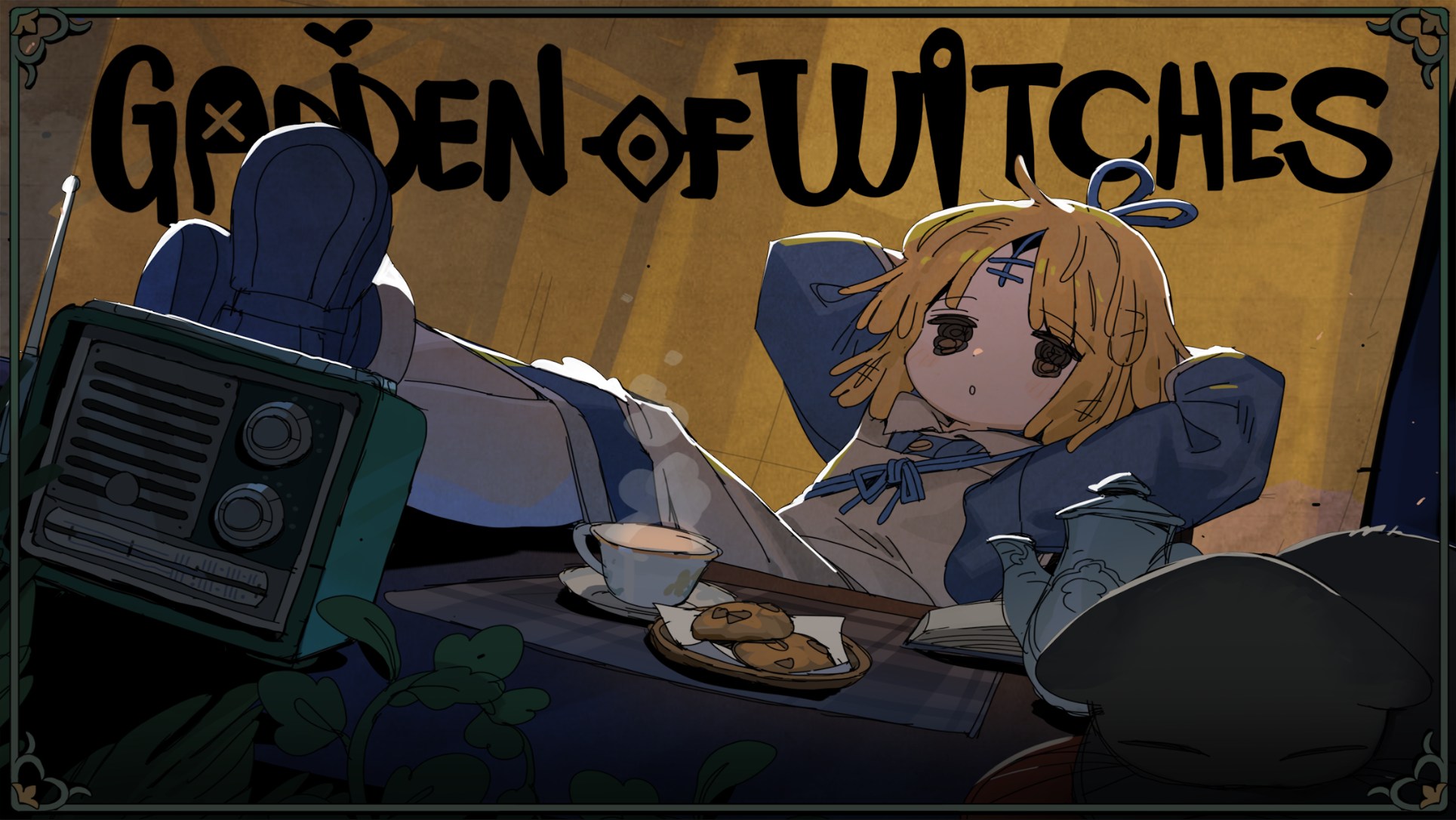
Garden of Witches is a hand-drawn action roguelite from Team Tapas, the studio behind Bistro Heroes. After fifteen months in Early Access it reached version 1.0 on August 28, and sits at Very Positive across more than 2,000 reviews, with 715 recent reviews also Very Positive.
Our verdict: Garden of Witches is a charming roguelike that nails fast-paced action with personality. If you want a cute indie gem with real challenge, this is worth your money. Just don’t expect it to be Hades.
Scissors, Spells and a Very Reluctant Tea Party
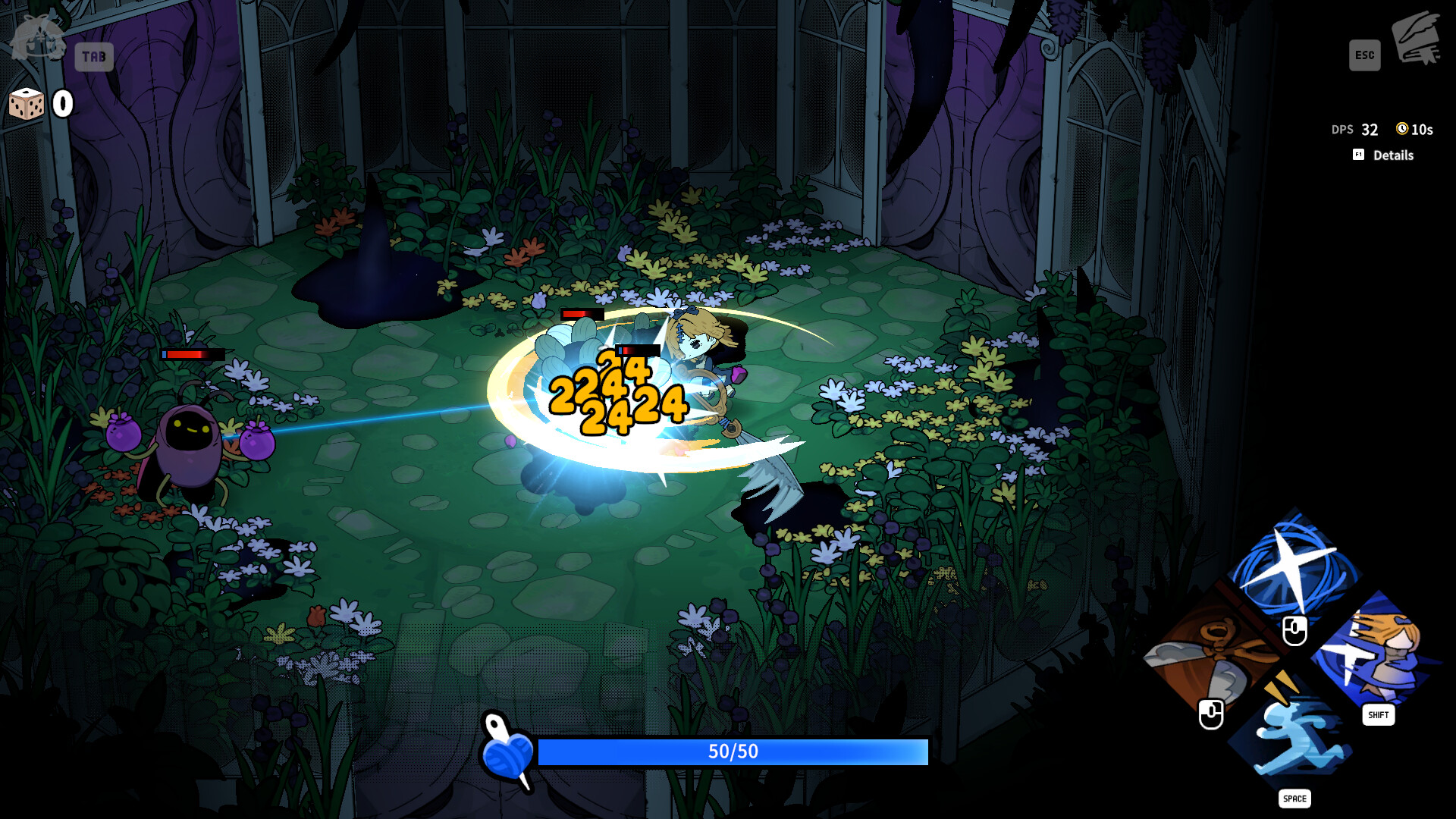
You play Sil, the Thread Witch, tasked with gathering every witch in the Garden for an annual tea party ritual. None of them want to come. So you beat them into submission with giant scissors and witchcraft — which is the premise, and it’s delightful.
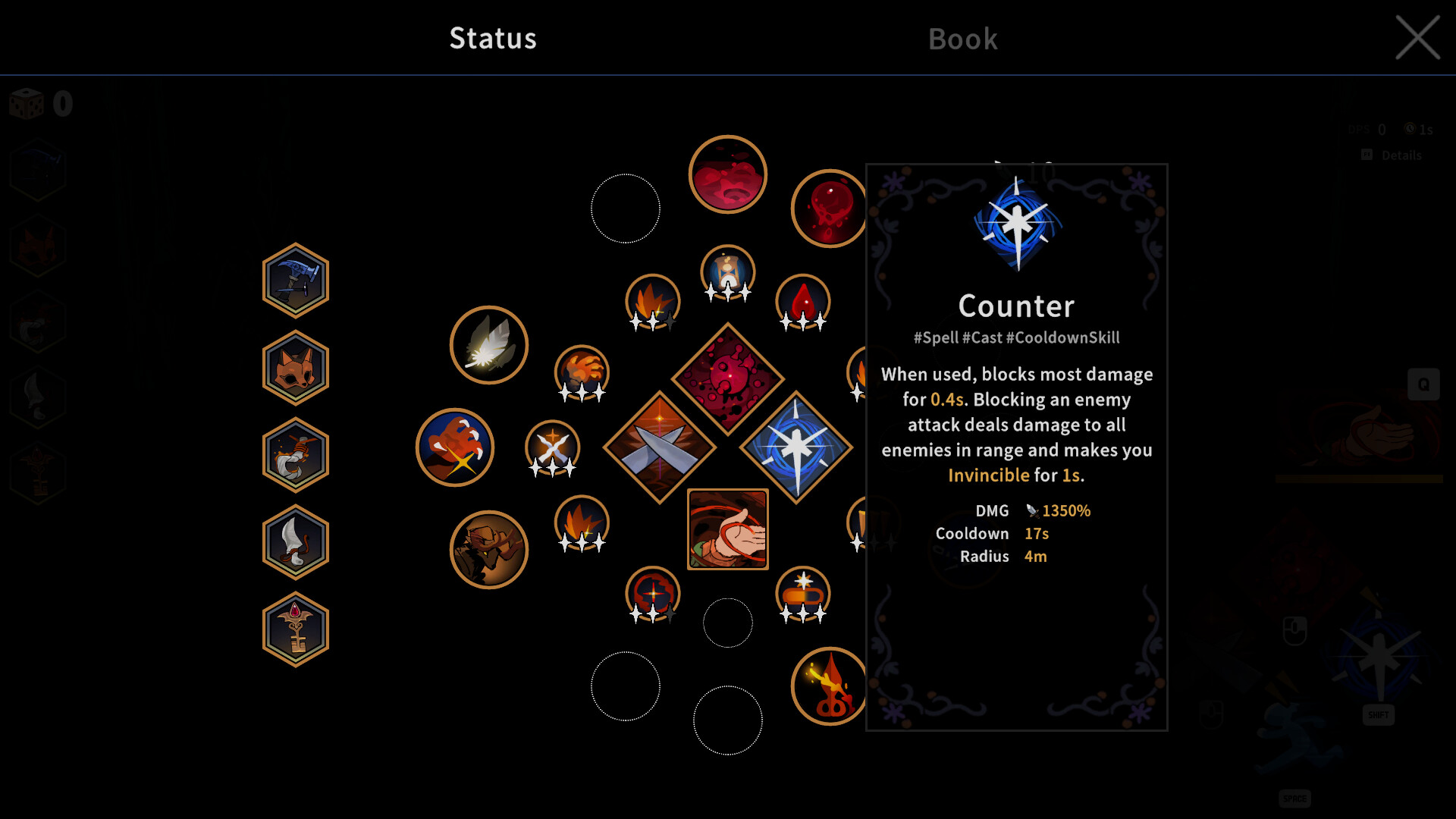
Your core weapon. Complete full Combos to unleash each pair’s unique finishing attack.
Charge, Combo and Channel — Fireball changes behaviour and power depending on how long you hold it.
Reshape how a skill works — one Giant Fireball for a single huge hit, or many small ones for on-hit effects.
Now the connective tissue between skills, enabling combinations that create new effects.
The Imprint system is the smartest part of the rebuild. Once a skill’s attribute hits level three, you pick one of three Imprints that fundamentally change how it behaves rather than just boosting its numbers. The same Spell can go in completely different directions from run to run.
And the build variety is real at the level of playstyle. As one player put it, you can go “stick to the target and parry it to death,” or “focus on dodging while lobbing projectiles.” Multiple reviewers report having fun with every weapon they tried — which, as one noted, is high praise in this genre.
The Trade-Off the Rebuild Made
Where It Absolutely Shines

Difficulty: Friendly by Default, Sharp on Hard
The consensus is that Garden of Witches is welcoming on Normal and genuinely demanding on Hard. Several players describe it as great for beginners — “one of the first roguelites I actually played till the end,” as one put it — while Hard mode rewards learning boss patterns rather than grinding levels.
1.0 also added an option to disable invincibility during dash, which experienced players are using alongside Hard to raise the ceiling. Very Hard was removed from the story chapters, with top-end difficulty moved into the reworked Challenge Mode, which unlocks after Epilogue 3.
Not everyone finds the curve smooth. One player called it “a bit uneven” with some grindy upgrades. And our 100%-complete veteran made a pointed observation: replaying the story with knowledge of strong builds, they took down most bosses far quicker than in beta, and suggested boss HP pools may need raising for returning players.
Things to Know Going In
The Good, The Bad, & The Ugly
| The Good | The Bad | The Ugly |
|---|---|---|
| Gorgeous, Warm, Hand-DrawnCute character designs with more unique sprites than expected, pretty effects, and a cosy atmosphere players compare to coming home. Nearly every review leads with the art. | Skills Don’t Talk to Each OtherThe 1.0 rebuild gave every Scissor and Spell a strong identity but stripped out most cross-skill interaction. A 100%-complete veteran argues it limits build creativity — the thing that gives roguelites their longevity. | Low Replay Value After the CreditsWith builds chosen before runs and limited in-run reward variety, several players felt done once they’d seen the ending. Challenge Mode helps, but the long tail is thinner than the genre’s best. |
| Bosses That Grow With YouEach witch has a personality, transformation and patterns — and gains new moves every chapter. Easy on first meeting, “real maniacs” later, with a spectacle-heavy arena and transition design. | More Buildcrafter Than RoguelikeYou pick your loadout in the Armory before each run. Fine once you know it — but anyone expecting Isaac or Hades-style run-to-run surprise will find the in-run variety thin. | Veterans Can Steamroll ItA player replaying with known strong builds tore through bosses far faster than in beta, and suggested HP pools need raising. Hard mode and the dash-invincibility toggle help, but the top end could use more bite. |
| A Stellar Japanese CastLed by Ikumi Hasegawa as Sil, and good enough that one player recommends it over any future English dub. Phone calls with the witches in Sil’s house add warmth between chapters. | Voice Acting Stops at Chapter 5Japanese VO covers only the main story, not the Epilogues, and there’s no English track. Players are asking for English, Korean and Chinese casts. | Simple Enemies, Rare ElitesRegular enemies challenge through numbers rather than behaviour, and elite encounters are rare enough to feel like a treat — which is nice, but also means the in-between fights can blur together. |
| A Studio That ListenedFifteen months of Early Access, a candid public explanation of why they rebuilt combat, the most-requested features delivered at 1.0 — keyboard and mouse, achievements — and a published plan for what’s next. | An Uneven CurveSome players found difficulty spiky and certain upgrades grindy, even with 1.0’s rebalance. | —Beyond one reported achievement bug, nothing technical recurs. It’s polished, runs on almost anything, and is Deck Verified. |
The Verdict
Garden of Witches is a warm, beautiful, genuinely likeable game made by a studio that clearly cares. The art is lovely, the Japanese cast is excellent, the bosses are the kind you remember, and the whole thing has a cosy, tea-party charm that makes even a hard run feel welcoming. For players who’ve bounced off tougher roguelites, it may be the one they finally finish.
The 1.0 rebuild is the story. Team Tapas saw that adding systems had made combat feel samey, said so publicly, and started over. That’s rare honesty, and the result is combat where every Scissor and Spell feels distinct and nearly every weapon is fun to use.
But that fix came at a cost. Skills that each do their own thing don’t combine into surprising builds, and surprising builds are what keep roguelites alive for hundreds of hours. The veteran player who’s seen every version of this game makes that case well, and it’s the difference between a very good game and a genre great. Relics are meant to bridge that gap; right now, they don’t quite.
The honest read: buy it if charm, story and boss fights are what you want from an action game — and at $18.99 for a polished, complete, Deck-Verified package, it’s easy to recommend. If what you want is a roguelike you’ll still be theory-crafting in a year, keep an eye on Team Tapas’ update plans. The foundation for that game is here. The interactions just need to catch up.
For more game reviews, check out our full reviews section.