
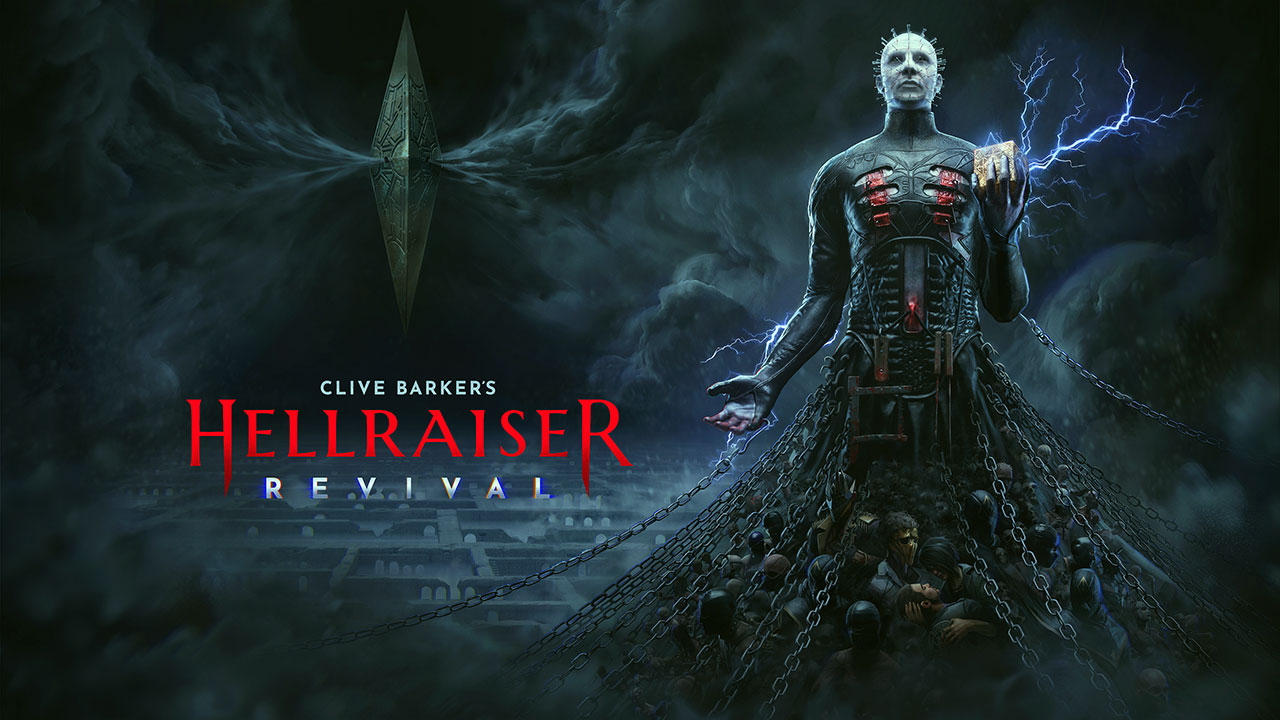
Clive Barker’s Hellraiser: Revival is a story-driven, first-person survival horror game from Saber Interactive, built in Unreal Engine 5. You play Aidan, who uses the Genesis Configuration, one of the series’ infamous puzzle boxes, to try to rescue his girlfriend Sunny from the Labyrinth after a ritual goes horribly wrong. Along the way he unwittingly triggers Pinhead’s own ritual and has to survive a bargain with him, fighting Cenobites, cultists and infernal priests with a mix of conventional weapons and the box’s powers.
Our verdict: Saber Interactive transforms Barker’s nightmarish vision into a visceral first-person experience that finally does the franchise justice. The combat and survival systems are more competent than inspired, but the atmosphere, art and devotion to the source material are something special.
Atmosphere You Can Almost Smell
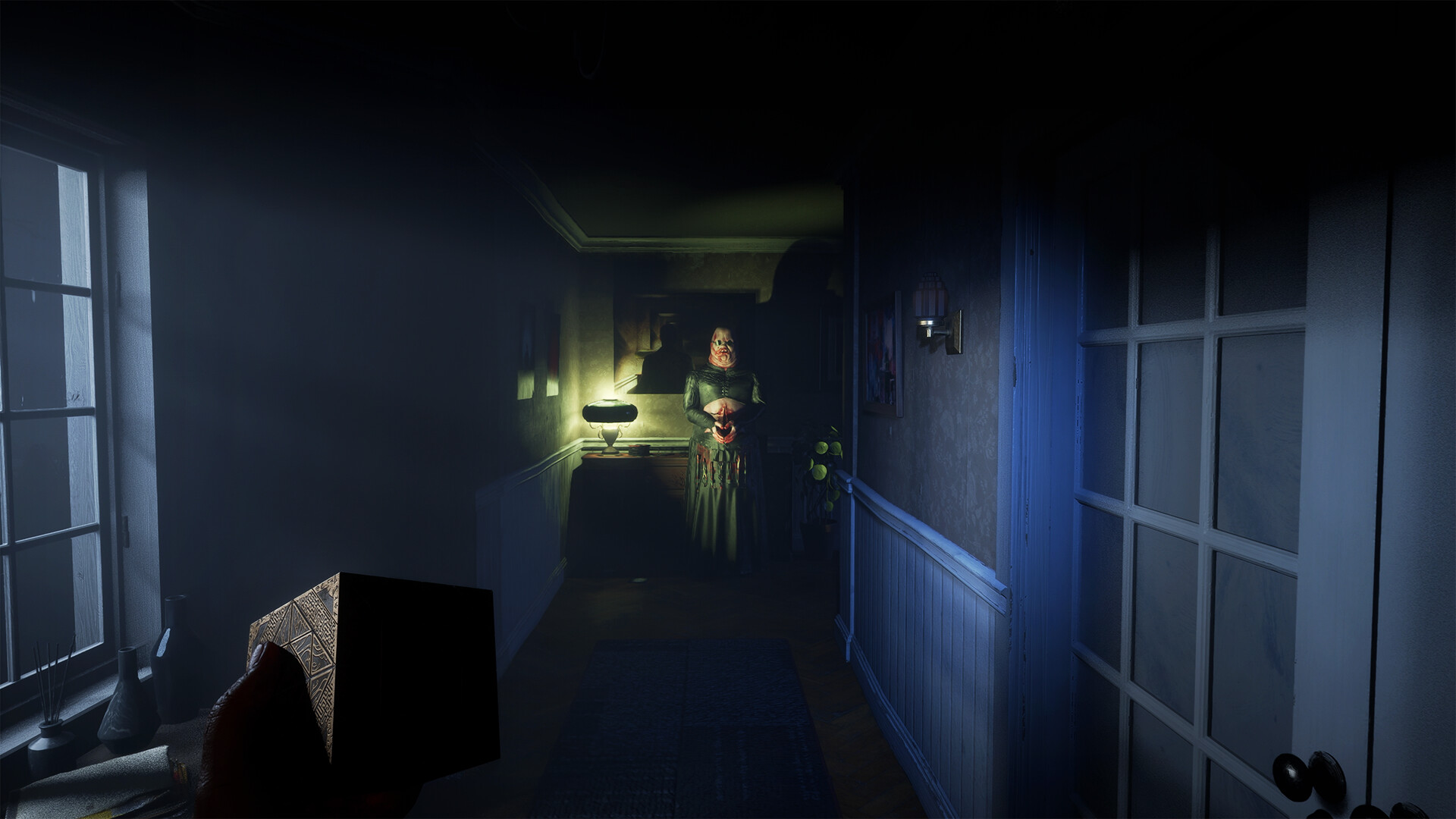
This is where Revival shines brightest. The set design is gorgeous in the most horrible way, and players say certain cutscenes are so convincing they forgot they weren’t watching real actors in prosthetic makeup. The Cenobites are depicted with real understanding, and their sections and cutscenes are singled out again and again as what sets the game apart. One player said it finds so much beauty in its violence that they’d stop just to take in the scenery.
The sound design and music get equal praise for keeping you on edge, and the voice cast, led by Bradley, is widely credited with selling the story. The lore is delivered in a good balance of collectible documents and natural storytelling, so it never feels like homework.
Into the Labyrinth
Most of the game takes place in the real world, but you regularly cross into the hellish Labyrinth, visualised as an endless wasteland of concrete mazes. It’s a stunning sight, and the box can sometimes reconfigure the world around you. You’ll occasionally be chased by a Chatterer in Outlast-style escape sequences, and the game plays with your sanity through shifting level geometry and jump scares.
This is also where one of the most detailed player critiques lands. They felt the Labyrinth visits are visually incredible but don’t go far enough: the chases are simple, the puzzles light, and the sheer scale never quite becomes as frightening or disorienting as it could be.
⚠️ Story spoiler: what happens after you find Sunny (click to reveal)
Guns, Blades and a Very Dangerous Box
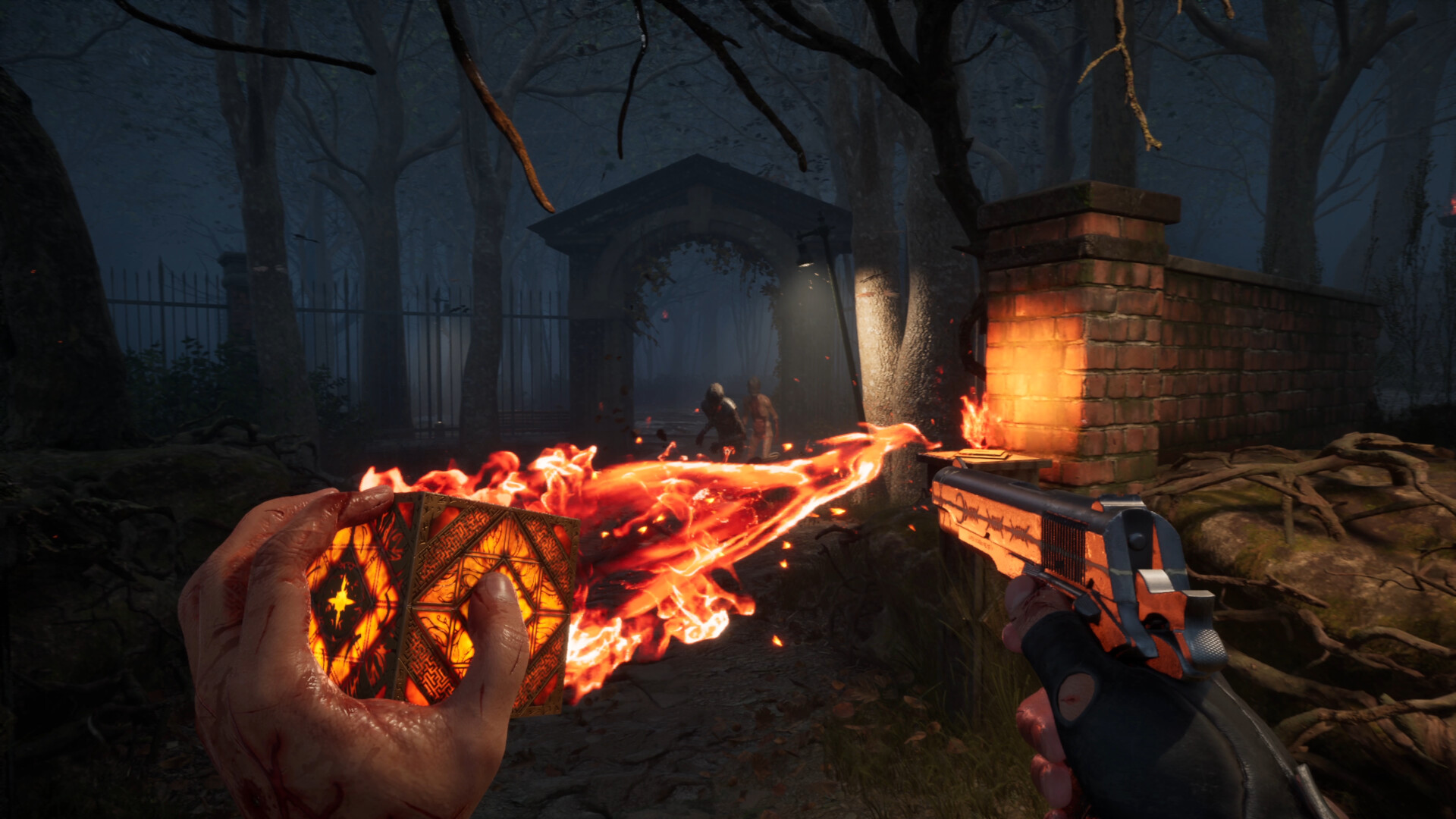
Gameplay mixes light puzzles, stealth, and meaty combat with melee weapons, guns and the puzzle box’s powers. One player compared the overall feel to Resident Evil: scarce ammo, a grid inventory, and resources that turn up just before a big fight.
Competent shooting with scarce ammo. Melee weapons are common but break quickly.
Hurl blades or fire from braziers at enemies. Both work, but players found them very similar.
A charged special that tears apart all basic enemies, powered by suffering.
Hide in bushes and shadows and take enemies down from behind. Useful for saving resources.
This is where Revival is weakest. One player described it, fairly, as an “almost” game: almost great, but still good enough. The action can feel a little clumsy, enemy variety is limited, and the box powers depend on objects conveniently placed near combat areas rather than feeling like natural tools. Stealth is basic too. You can’t move or hide bodies, distractions are rudimentary and patrols are simple. It all works, but it rarely surprises.

A Rare, Well-Optimised UE5 Game
One of the biggest surprises is how well it runs. Players call it one of the best-optimised Unreal Engine 5 games they’ve played. One reported no microstutter and no bugs, and another hit over 200 FPS with everything maxed on an RTX 5070 with frame generation. It’s not universal, though: one player saw a consistent 10–15 FPS drop in the later sections, and another wanted ray tracing and more graphics options. Plan for an 80 GB install.
Things to Know Going In
Critics vs. Players
That’s a big gap between critics and players. Critics who judged it purely as a survival horror game found a lot of familiar, sometimes clumsy mechanics. Players, many of them lifelong Hellraiser fans, judged it as a Hellraiser game, and on that front it’s hard to fault.
The Good, The Bad, & The Ugly
| The Good | The Bad | The Ugly |
|---|---|---|
| A True Hellraiser GameFaithful to the first two films and Barker’s books, with Doug Bradley back as Pinhead. | Clumsy, Familiar CombatCompetent but unremarkable, with limited enemy variety. | Progression BugsRare, but some players had to reload to get past blocked progress. |
| Stunning AtmosphereGorgeous, grotesque set design and cutscenes that look like practical effects. | Bland Box PowersTwo of the three abilities feel almost identical. | Late-Game Frame DropsA noticeable performance dip in later sections for some. |
| The CenobitesBrilliantly realised, with the game’s best sequences built around them. | Basic StealthNo body hiding, simple distractions, crude patrols. | — |
| Sound, Music and Voice ActingUnsettling audio and a cast that sells every scene. | An Underused LabyrinthVisually incredible, but never as scary or disorienting as it could be. | — |
| Excellent OptimisationOne of the smoothest UE5 games around, for most players. | Short, Little ReplayAbout 8–10 hours for the story, with little reason to replay. | — |
The Verdict
Clive Barker’s Hellraiser: Revival is the Hellraiser game fans have waited decades for. Its world is gorgeous and genuinely disturbing, the Cenobites are given the respect they deserve, Doug Bradley’s Pinhead is as commanding as ever, and for most players it runs better than the majority of Unreal Engine 5 games.
Underneath, though, the survival horror is merely solid. The combat is a little clumsy, the box’s powers are underwhelming, stealth is basic and the Labyrinth never quite lives up to its potential. If you’re not already invested in the franchise, it’s a good-not-great horror game with a superb coat of paint.
The honest read: a must-play for Hellraiser fans, and a strong pick for survival horror fans who can stomach it. At $39.99 for a polished 10-hour campaign, it’s easy to recommend, provided you’ve read that content warning.
For more game reviews, check out our full reviews section.