
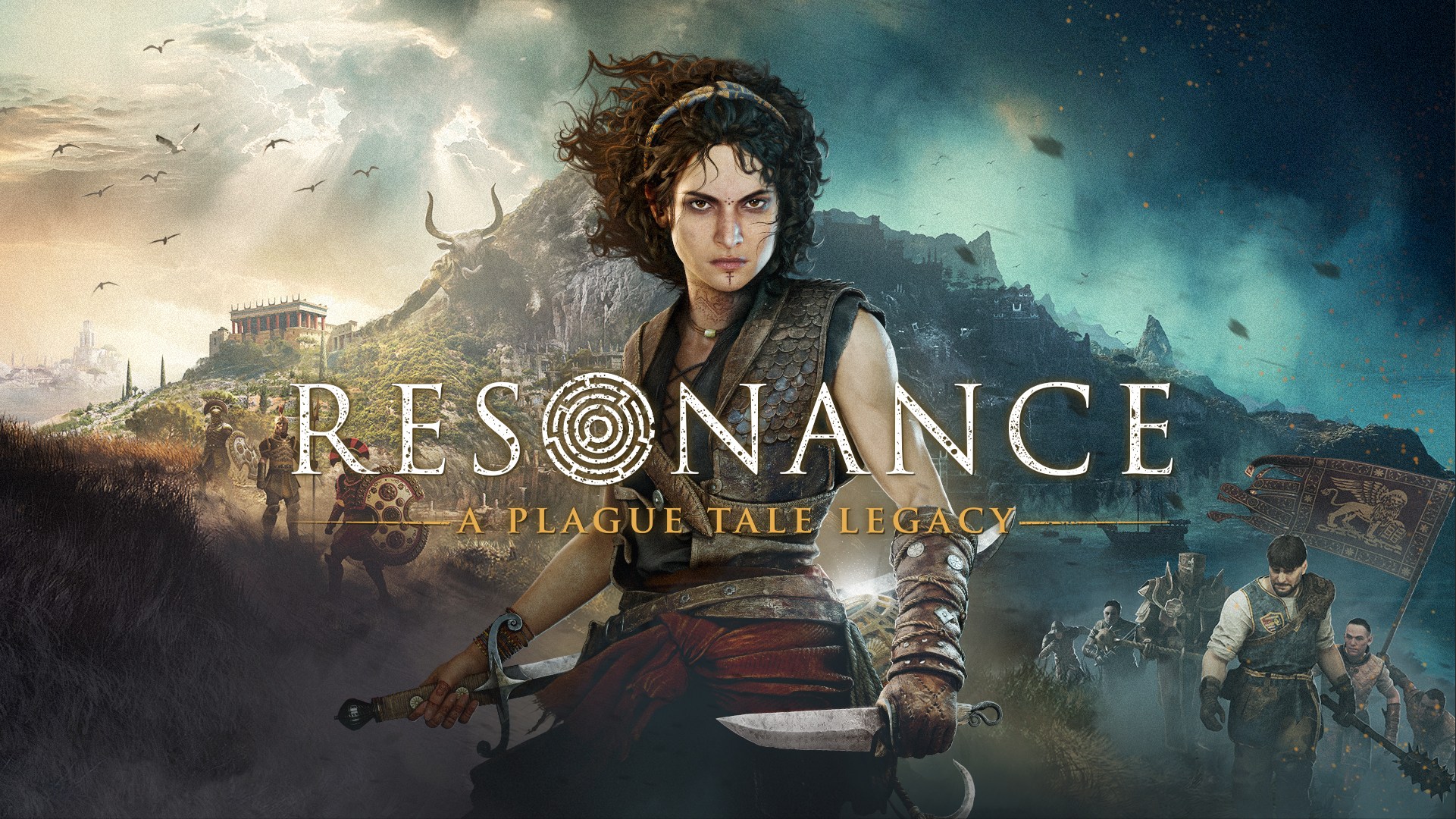
Resonance: A Plague Tale Legacy is Asobo Studio’s prequel to the A Plague Tale series, published by Focus Entertainment. Released on August 27 at $49.99, it sits at Very Positive across nearly 3,750 Steam reviews, with 84 on Metacritic and 81 on OpenCritic.
Our verdict: Asobo Studio crafts a captivating prequel that perfectly captures the series’ signature blend of mystery and danger. It’s also a bolder reinvention than the name suggests — and one strobe-lit sequence is something every buyer should know about.
Sophia’s Story, Fifteen Years Earlier
Set fifteen years before A Plague Tale: Requiem, Resonance follows Sophia — a supporting character from that game — as a young plunderer chasing the secrets of her own past. Players who haven’t touched the earlier games report it works perfectly well as a standalone.
Her backstory is genuinely dark: a childhood in a convent where she was subjected to experiments that triggered visions she was forced to record in a notebook, a rescue by her pirate father, and his death while searching for the source of those visions. That notebook becomes the thread that leads her, alongside Leni — a talented thief and Sophia’s love interest — to the Minotaur’s Island.
The standout structural idea is the parallel storyline in Minoan antiquity. In flashback sequences you play a Greek warrior in the island’s ancient past, seeing locations intact before Sophia explores their ruins centuries later. It’s a lovely device, and players single out the contrast between past and present as a highlight. One also praised the game’s female characters as strong, well-written, and never sexualised — a note several reviewers made a point of mentioning.
A Few Systems, Done Well
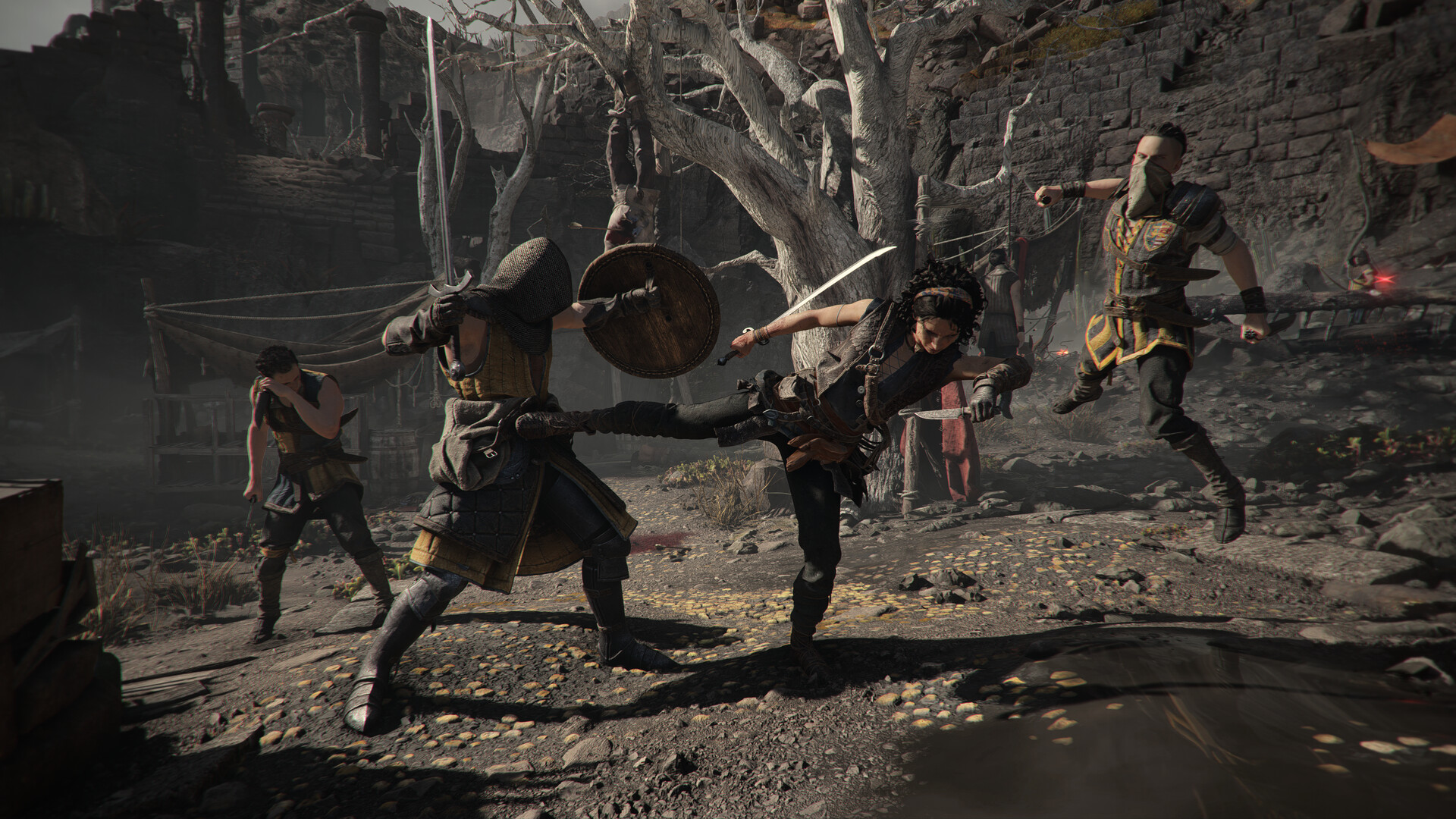
Sword and dagger. Dodge, block, parry, counter — plus kicks, throws and cliff launches.
Swing across chasms, and yank enemies straight into your blade mid-fight.
Redirect coloured light with a stolen Minoan sphere — Daedalus’ work, woven into the island.
Consult your notebook or ask Leni — you decide exactly how much help you want.
One detailed review made a point worth repeating: Resonance focuses on doing a few mechanics well instead of many mediocre ones. There’s no half-built crafting system, no bolted-on stealth tree. The game knows what it wants to be.
Combat is a clear step up from the earlier games. Dodging is safe and easy; blocking is harder but builds enemy stagger and fills Sophia’s special attack gauge — a risk-reward split one player compared to Clair Obscur: Expedition 33. Kick through shields, hook enemies toward you, launch them into each other or off cliffs. It’s never as deep as a dedicated action game, and some players call it merely “fine” — but it stays lively for the full run, and you can respec your mastery points at any time to try something new.
The puzzles lean heavily on light rays, reflections and symbol combinations. Players generally find them engaging and well-varied within that theme, and the on-demand hint system — via your notebook or Leni — is a thoughtful touch. The caveat: it’s the dominant puzzle type throughout, so if light-beam puzzles aren’t your thing, you’ll feel it.
Where It Stumbles

The Accessibility Gap Worth Fixing
It Looks and Sounds Superb
Almost every review leads with the presentation, and for good reason. The environments are beautiful but constantly unsettling, and one player said simply exploring the ruins was worth the price on its own. The level design makes those ruins feel like real ancient places — cluttered with debris, hidden paths and detail that rewards poking around.
Character animation, facial performance and the large-scale set pieces get consistent praise. It’s not quite at the absolute peak of the biggest-budget releases — the visual seams noted above are real — but it comes remarkably close for a mid-budget game.
And the music is outstanding. Olivier Derivière returns as composer, and players describe his work as “top tier, as usual.” It’s not always the kind of score you’d listen to on its own, one reviewer noted — but inside the game it does exceptional work carrying the atmosphere.
Things to Know Going In
The Good, The Bad, & The Ugly
| The Good | The Bad | The Ugly |
|---|---|---|
| The Middle Ground Done RightA polished, twelve-hour, linear adventure with real production values and no filler — the kind of game that’s nearly vanished between tiny indies and bloated AAA. “Classic Tomb Raider with a better story” is how one player put it, and it’s exactly right. | The Difficulty Curve Runs BackwardsThree health points and nothing to heal from make early bosses brutal; late-game buffs and a generous dodge window make everything too easy. Hardest when you’re least equipped, easiest once you’ve mastered it. | A Strobe Sequence With No ToggleA late-game area leans on strobe lighting hard enough that one player finished it in sunglasses — and couldn’t find a setting to disable it despite ten accessibility features. For photosensitive players, that’s a real risk. |
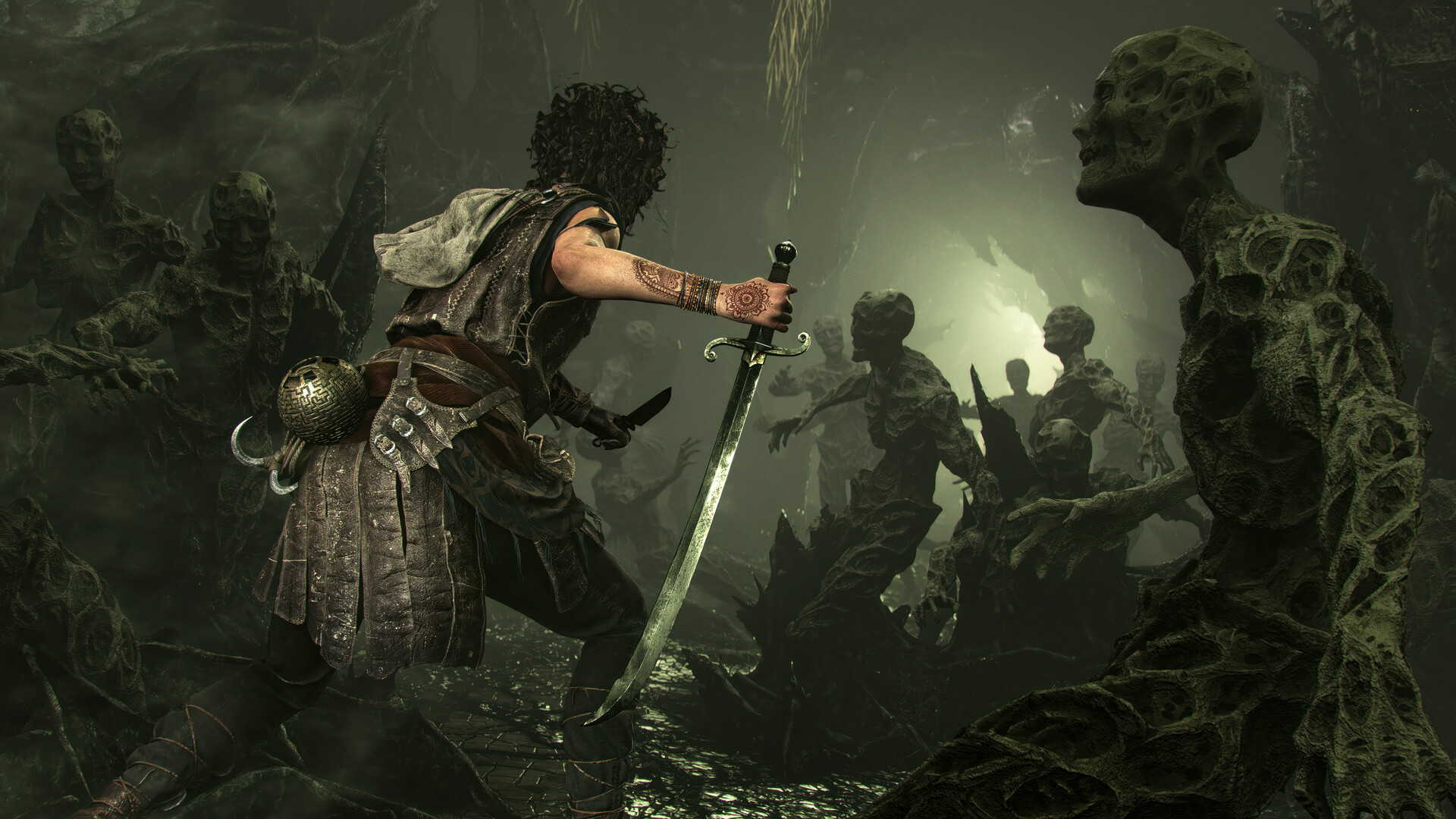
| The BeastThe rats’ spiritual successor, and players adore it. A presence that stalks you through the island’s depths, brings back a light stealth layer, and was called the work of “a freaking creative genius.” Every sequence with it is a highlight. | Chase Sequences and QTEsDramatic escapes that often come down to memorising routes and timings through repeated failure. One reviewer’s least favourite part of the whole game. | Falling Through the WorldStray from the intended climbing route and Sophia can drop straight through the geometry to her death — and the correct path isn’t always easy to read. Frustrating in a game that otherwise looks this polished. |
| Past and Present on the Same IslandFlashbacks let you play a Greek warrior in the island’s ancient past, seeing places intact before Sophia explores their ruins. A lovely structural device, and one of the most-praised ideas in the game. | It Isn’t Really a Plague Tale Game AnymoreSwords, parkour and set pieces replace the intimate, rat-dodging stealth of the originals. Most players welcome the change — but series fans expecting the old tone should adjust expectations. | Steep Hardware FloorSixteen gigabytes of RAM and an SSD are the minimum, on a 75 GB install. That’s a meaningful barrier for a mid-budget adventure, though Steam Deck Verified status is reassuring. |
| Presentation and ScoreBeautiful, unsettling environments, strong facial animation, and Olivier Derivière’s music doing exceptional work. One player said exploring the ruins alone was worth the price. | Limited Enemy and Weapon VarietyCombat is a real improvement over earlier games but stays fairly simple, with modest enemy variety and weapons that differ only slightly. Enjoyable throughout, rarely surprising. | —Nothing else recurs. No crashes or widespread performance problems appear in the player reports we read. |
The Verdict
Resonance is a braver game than its title suggests. Asobo could have made a third Plague Tale — more rats, more stealth, more intimate dread. Instead they took their most recognisable technology, pointed it at human crowds, and built a focused, mythological action-adventure around a supporting character from the last game. It’s a reinvention, and it largely works.
What it gets most right is scale. Twelve hours, no filler, and systems that are few but well made. In a market where big releases routinely pad themselves to fifty hours with open-world busywork, a polished, linear adventure that respects your time feels genuinely valuable — and the environments, score and The Beast give it an identity well beyond “Uncharted with a sword.”
The flaws are real but mostly mechanical. The difficulty curve inverts, combat stays fairly simple, climbing routes can be hard to read, and chase sequences lean on trial and error. None of those stop it being excellent.
The strobe sequence is different. It’s the one issue that could genuinely harm someone, and it sits oddly alongside an otherwise generous suite of ten accessibility options. We’d urge Asobo to add a flash-reduction toggle — and we’d urge photosensitive players to be cautious until they do.
The honest read: if you miss the era of tight, beautiful, single-player adventures, buy it. It’s the best example of that kind of game we’ve played this year. Series fans should go in expecting something new rather than more of the same — and if flashing lights are a concern for you, check the latest accessibility options before you start.
For more game reviews, check out our full reviews section.