
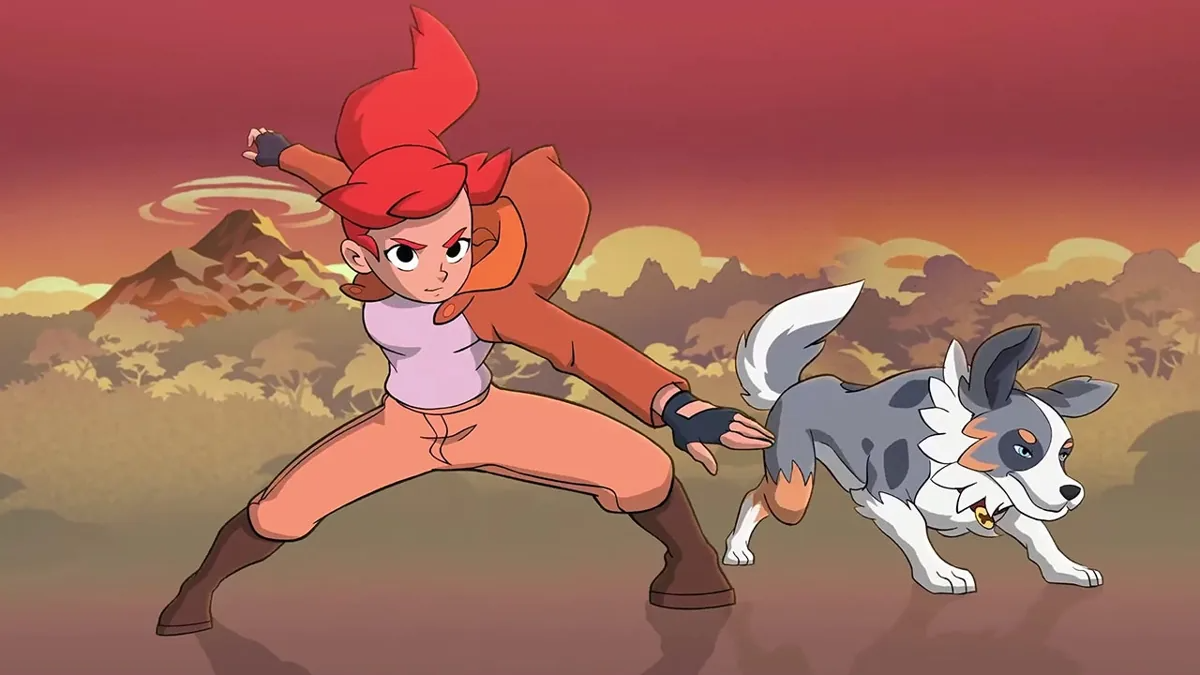
Signy & Mino: Against All Gods is a genuinely fresh take on turn-based combat, and that’s not a phrase we get to write often. AN Productions and Armor Games Studios have built a tag-team action RPG where you launch enemies into the air and keep them there — chaining attacks at different heights, swapping between two characters mid-combo, and dodging incoming hits with well-timed jumps.
It works. It works so well that our biggest complaint is the one you’ll hear from almost everyone who’s played it: there simply isn’t enough of it.
The Loop
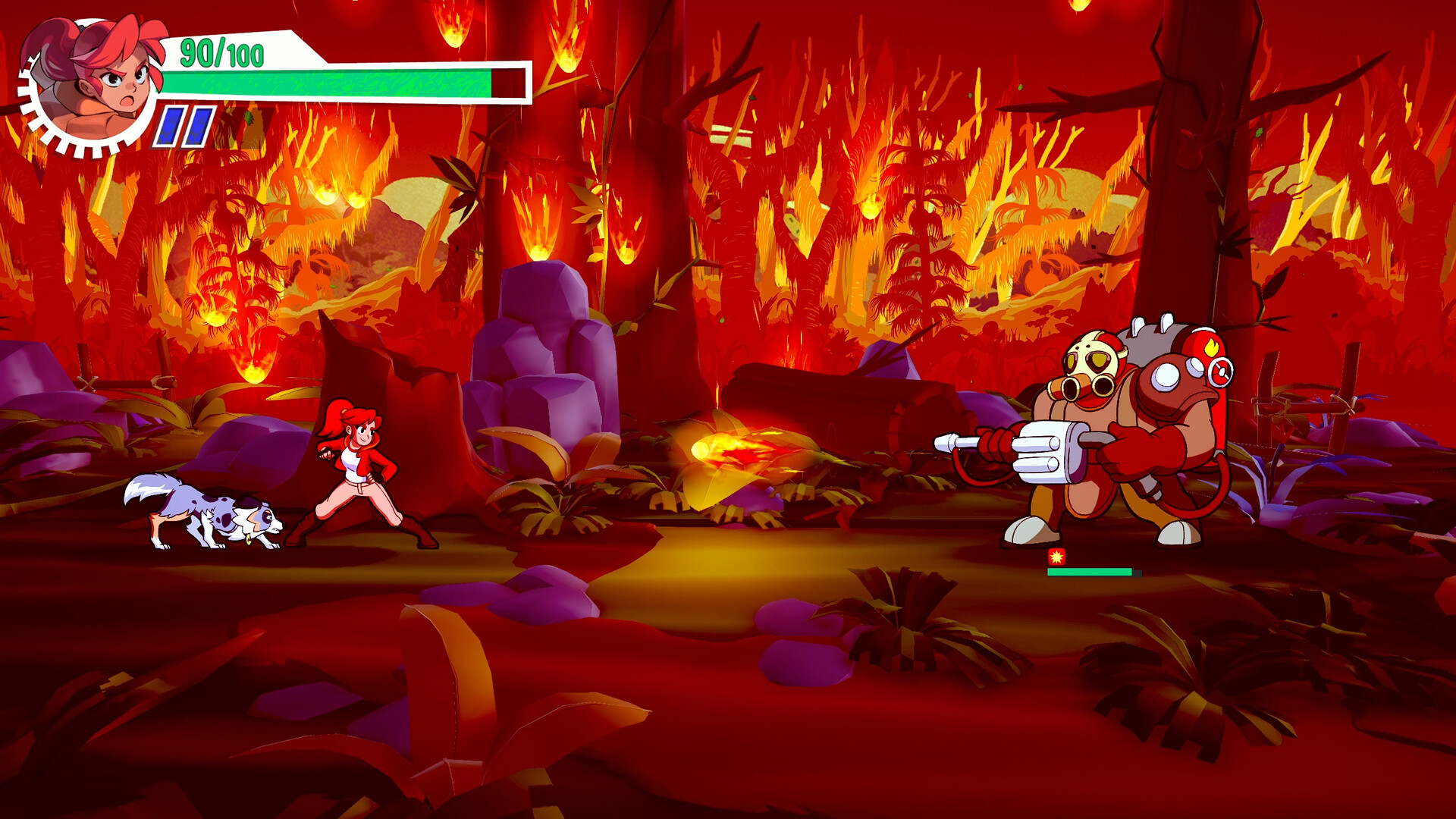
Pop enemies into the air with Mino’s nose-up launcher and keep them there. Different attacks connect at different heights — the whole system rewards keeping things airborne.
Signy and Mino have entirely different movesets, and swapping mid-combo is where the real depth lives. Fetch and toss is genuinely delightful.
Incoming attacks are dodged with timed jumps and parries, Mario & Luigi style. It’s active, engaged turn-based combat rather than menu-watching.
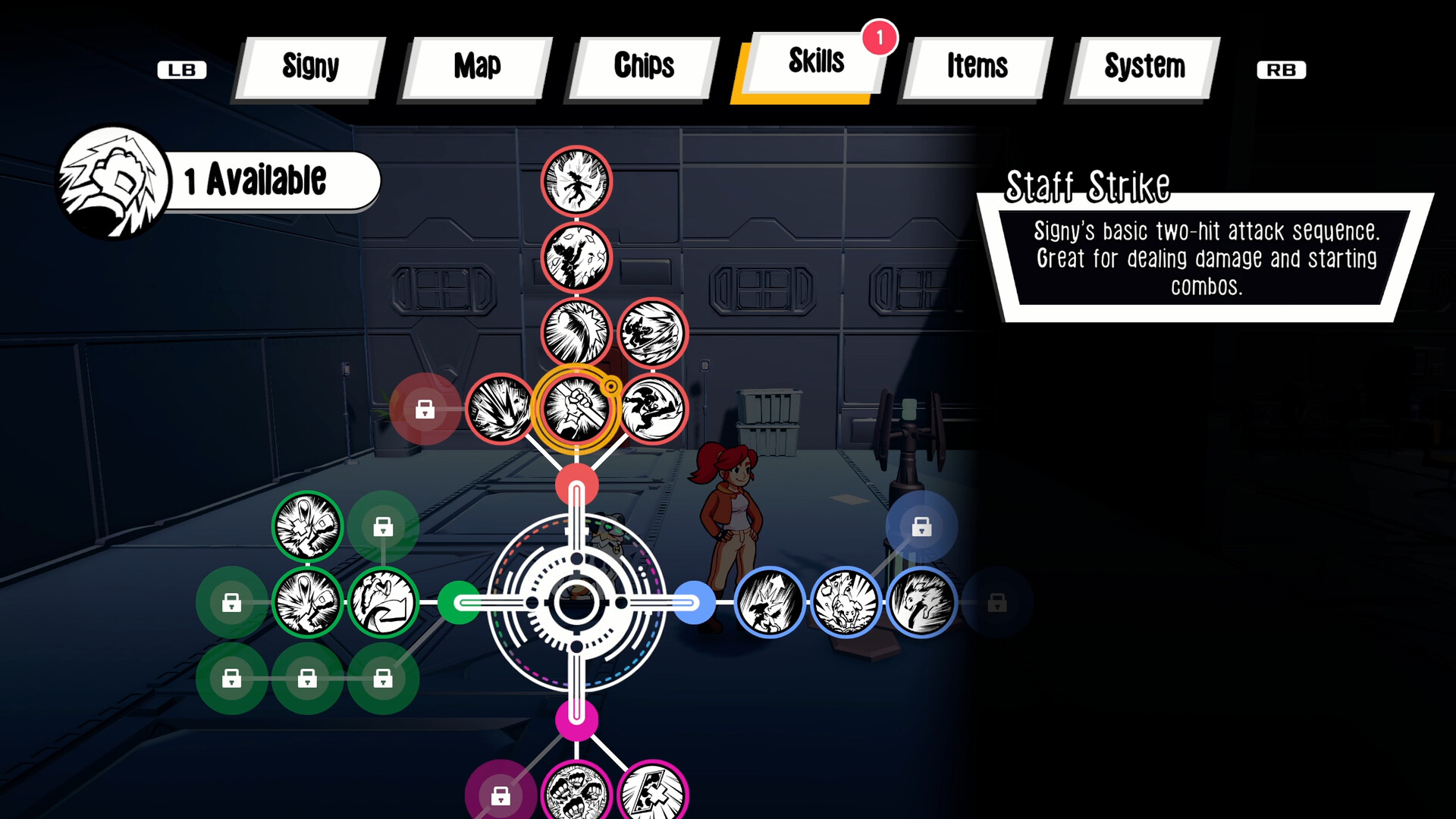
A skill tree and a chip system let you modify abilities and tune your approach between fights.
The Combat Is the Whole Thing, and It’s Great
Let’s be clear about what’s working here, because it’s a lot. The combo system is legitimately excellent — juggling enemies in mid-air, using different attacks at different heights, and switching between two characters with distinct movesets produces something that feels genuinely new in a genre that doesn’t often surprise anyone.
Crucially, the game keeps feeding it. New mechanics and enemy abilities get introduced steadily, which staves off the repetition that a system this focused could easily fall into. And when it all comes together late-game — when you clear an entire enemy line-up with one flowing, beautifully animated combo — it’s a genuine delight. That moment is the game’s whole argument, and it lands.
The presentation backs it up. The hand-drawn art direction is lovely, the animation on the combos is a real highlight, and the sound design is polished. There’s also a granny who will absolutely beat the hell out of you, which we mention because it deserves mentioning.
Too Easy, and It Undercuts the System
Here’s the problem, and it’s near-universal among players: the game is very easy. Multiple reviewers finished without dying once. The culprit is the parry — it nullifies essentially everything, and the timing window is generous enough that there’s no real reason to invest in any other defensive option.
That’s a genuine shame, because it flattens a system with obvious depth. One of our reviewers went in expecting to combine jumps and parries situationally; instead the parry just counters everything. The mechanic where switching targets costs health is meant to be a deterrent, but the cost is low enough that it never registers as a real risk.
The final boss is where all of this converges least favourably. Its central gimmick is underwhelming and doesn’t meaningfully change how you fight, so it plays out as the same combo with a couple of different opening moves. One reviewer wasn’t even certain the game had ended. For a title whose combat is otherwise so strong, that’s a flat note to finish on.
One Bug Worth Knowing About
Save often at the points you’re given, and be a little careful about where you land. It’s not frequent enough to sour the experience, but losing twenty-five minutes to a decorative object is the sort of thing that sticks with you.

The Good, The Bad, & The Ugly
| The Good | The Bad | The Ugly |
|---|---|---|
| Genuinely Fresh CombatMid-air juggling, height-dependent attacks, and tag-swapping between two distinct movesets add up to something new in a genre that rarely surprises. Clearing a full enemy line-up in one flowing combo is a real delight, and the game keeps introducing mechanics to sustain it. | Far Too EasyMultiple reviewers finished without dying once. The parry nullifies almost everything with a generous timing window, so there’s no reason to build any other defence. It flattens a system that clearly has more depth in it. | Only 4–5 Hours for $16The near-universal complaint. One reviewer beat it in about four hours while streaming. It’s a low price in absolute terms, but the ratio is divisive enough that several players who loved it still recommend waiting for a sale. |
| Lovely Art and AnimationHand-drawn art direction, polished sound design, and combo animation that genuinely sells the impact. The presentation is a clear cut above what the price point suggests. | Progression Peaks Too EarlyXP flows fast enough that players hit max level and a completed skill tree before the final dungeon, then coast fully upgraded. Nothing left to chase for the back half. | Geometry SoftlocksGetting stuck in level geometry with save points spaced out means lost progress — 25 minutes gone after landing on the wrong side of a vase the game told us to jump on. An unstuck button would fix it outright. |
| Signy, Mino, and That PremiseA tag-team RPG against the gods, starring a girl and an Australian Shepherd, with fetch-and-toss as a combat mechanic. Mino is the best boy. The mythological stakes and the charm carry the story between fights. | Underbaked SystemsThe chip system is a fun idea that does very little. The skill tree is a fun idea you exhaust too quickly. Combo challenges lose their puzzle element to infinite skill uses. Great foundations, thin implementation. | A Flat Final BossIts central gimmick barely changes how you fight, so you run the same combo with different openers. One reviewer wasn’t sure the game had actually ended. A weak close for combat this good. |
The Verdict
This tag-team RPG delivers satisfying combo-based combat that rewards experimentation and strategy. If you crave engaging battles with mythological stakes, it’s absolutely worth your money — and the combat system here is good enough that we’d like to see AN Productions given the budget to build a much bigger version of it.
The frustrations are all variations on one theme: there isn’t enough game around this excellent combat. It’s too easy, the progression tops out before the finale, the chip and skill systems never quite develop, and the whole thing is over in four to five hours. None of these are failures of design so much as failures of scale — every problem here would be solved by more content and a firmer difficulty curve.
The honest split: if a fresh, genuinely inventive combat system is what you’re here for, buy it now and enjoy it. Several of our reviewers were excited enough to buy it on day one and don’t regret a minute of it. The juggling is a joy, the art is lovely, and Mino is a very good dog.
If you weigh hours-per-dollar carefully, wait for a discount. That’s the advice most players who loved this game are giving, including the ones telling you to buy it. There’s no contradiction there — it’s a very good five hours that costs sixteen dollars.
Either way, this is a studio worth watching. Get the combat this right and everything else is a solvable problem.
For more game reviews, check out our full reviews section.
Score Breakdown