
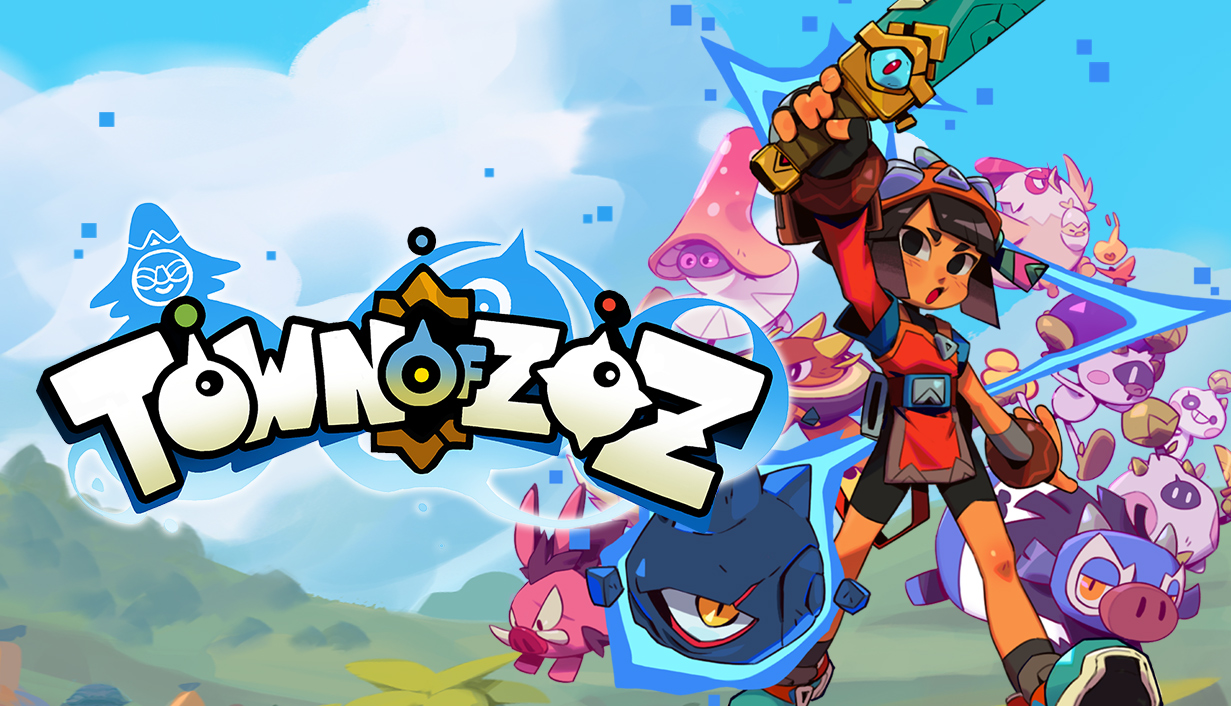
Every now and then, an indie game quietly drops onto the Steam storefront that perfectly captures the magic of a bygone era. If you grew up spending your weekends cross-legged in front of a CRT television playing the Nintendo GameCube or PlayStation 2, developer Studio Pixanoh has cooked up exactly what you are looking for.
Released last week, Town of Zoz is a colorful, cel-shaded action-adventure game that seamlessly blends top-down, Zelda-style combat with the cozy agricultural simulation of games like Story of Seasons (formerly Harvest Moon).
It is a game overflowing with personality, gorgeous anime-inspired cutscenes, and a shockingly deep cooking mechanic. But does the slow-burn opening and lack of modern quality-of-life features spoil the broth? Grab your machete and your favorite frying pan—let’s dive into Zoz.
A Shaman Chef Returns Home
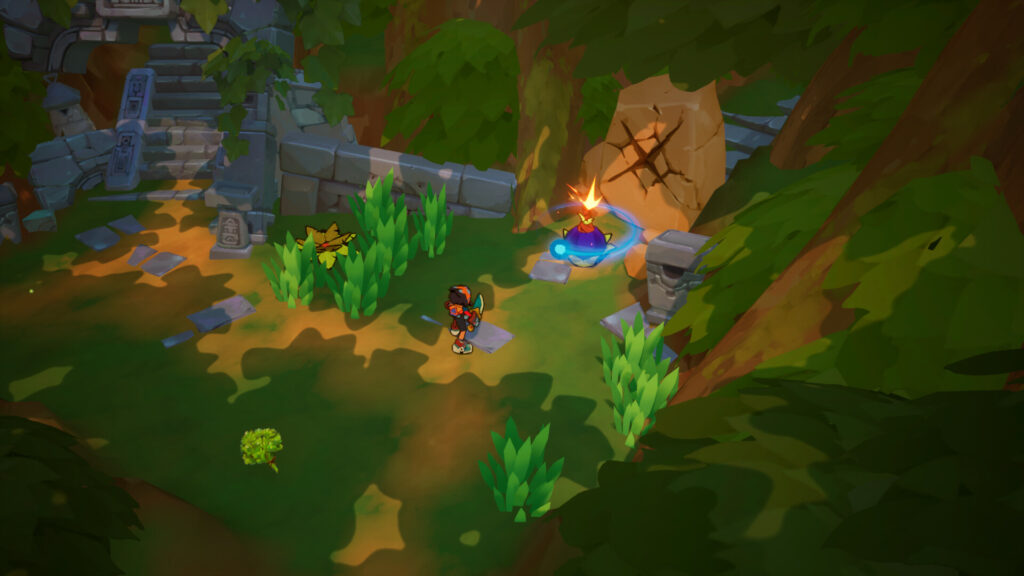
The premise of Town of Zoz is equal parts cozy and mysterious. You play as Ito, a young “shaman chef” adventurer who reluctantly returns to his hometown after receiving a letter from his parents. They need his help managing the struggling family farm and restaurant.
However, as Ito settles back into the rhythm of rural life, it quickly becomes apparent that the peaceful, vibrant Town of Zoz is hiding a dark, ancient secret. A mysterious shadow looms over the community, and it is up to Ito to uncover the forbidden past by lending a helping hand to the eccentric locals.
The character design in this game is an absolute triumph. The world is populated by a diverse, incredibly colorful cast of NPCs—ranging from legendary retired town heroes and magical sect leaders to fashionable shopkeepers and local sports stars. Getting to know these characters and helping them overcome their personal nightmares is the game’s emotional core.
While the game notably lacks voice acting, the writing is sharp enough to carry the narrative, and the stunning, hand-drawn anime cutscenes scattered throughout the story more than make up for the silence.
Farm, Fight, and Fry
Town of Zoz describes itself as a game where you “fight with flavor,” and the gameplay loop heavily reinforces that motto. The game is essentially split into three distinct pillars: farming, combat, and cooking.
The combat heavily channels the top-down, lock-on mechanics of classic 2D Zelda games (such as A Link to the Past). Ito wields a soul-infused machete, allowing you to slash, dodge, and parry your way through procedurally generated dungeons and overworld zones. The enemies are remarkably cute—there is even one specific enemy that looks suspiciously like a classic Bomberman character—but they can still pack a punch if you aren’t careful. You won’t be fighting alone, either; Ito can team up with several trusted companions who bring their own unique skills to the battlefield.
But you cannot survive on swordplay alone. You have to gather ingredients out in the wild and grow crops back at your family farm. This is where the cooking mechanics shine.
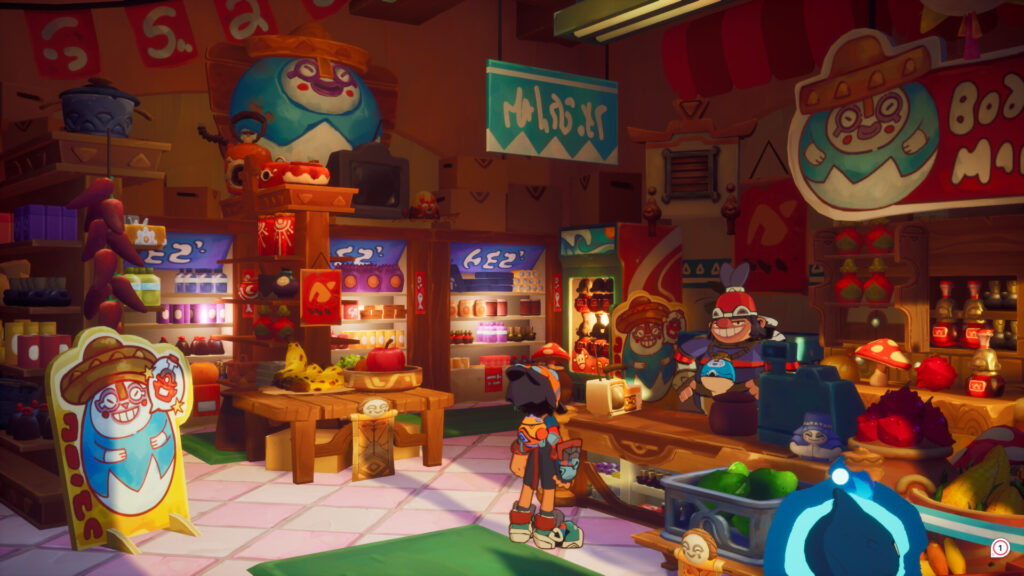
Cooking is incredibly vital to your progression. The meals you create can be eaten by Ito to provide massive, temporary stat boosts before a tough dungeon run. More importantly, food is the way to the townspeople’s hearts. By discovering and cooking a specific NPC’s favorite meal, you increase your bond with them, unlocking new dialogue, side quests, and insights into the town’s overarching mystery.
A Slow Simmer and Controller Quirks
While Town of Zoz is undeniably charming, it does ask for a significant amount of patience from the player.
The opening hours of the game are painfully slow. The game leans a bit too heavily into its farming-simulator inspirations early on, bombarding you with menial chores, slow traversal, and tedious bartering quests before the combat and narrative truly open up. If you can push through the first three hours, the mechanics eventually interlock beautifully, but that initial hurdle will undoubtedly push some players away.
Additionally, the game suffers from a few technical quirks. The game was clearly designed to be played with a gamepad, and the developers explicitly recommend against using a keyboard and mouse. However, there is currently a persistent UI bug in which the game displays only keyboard prompts, even when a controller is plugged in. Having to guess which face button corresponds to the “E” key during a fast-paced cooking mini-game can be incredibly frustrating.
The Good, The Bad, & The Delicious
| The Good | The Bad | The Ugly |
| The Art Style: The colorful, cel-shaded graphics and gorgeous anime cutscenes perfectly capture the magic of the PS2/GameCube era. | The Pacing: The first few hours are bogged down by slow traversal and tedious, chore-heavy farming tutorials. | UI Bugs: The game forces keyboard prompts on the screen even when playing with a highly-recommended controller. |
| The Combat: Snappy, challenging top-down action that heavily channels the classic 2D Legend of Zelda games. | No Voice Acting: While understandable for a small indie team, the lack of voice acting during the beautiful cutscenes is slightly disappointing. | |
| The Cooking: A deep, rewarding system that directly impacts both your combat stats and your relationships with the townsfolk. | Fast Travel: The lack of robust fast-travel options makes backtracking through previously cleared areas a bit of a slog. | |
| The Characters: A lovable, quirky cast of NPCs with distinct personalities and engaging side quests. |
Should You Buy It?
Yes, if: You miss the cel-shaded aesthetic of The Wind Waker, you enjoy games that blend cozy farming elements with action-RPG combat, and you love discovering an NPC’s favorite meal to build a relationship.
No, if: You get easily bored by slow, chore-heavy tutorials, you hate playing PC games with a controller, or you prefer deep, complex, modern character-action combat.
Recommended for fans of: The Legend of Zelda: The Minish Cap, Stardew Valley, Story of Seasons, Rune Factory, Dave the Diver, and Cult of the Lamb.
Town of Zoz: Town of Zoz is a hidden gem that wears its GameCube-era inspirations proudly on its sleeve. Studio Pixanoh has managed to successfully blend the satisfying, top-down combat of classic Zelda titles with the wholesome, relationship-building agricultural loops of Stardew Valley. While the painfully slow opening hours and minor UI bugs require a bit of patience, the gorgeous cel-shaded art style, deep cooking mechanics, and lovable cast of characters make the journey entirely worthwhile. If you are looking for a cozy, nostalgic adventure with a surprising amount of mechanical depth, Town of Zoz is serving up exactly what you need. – Obsidian