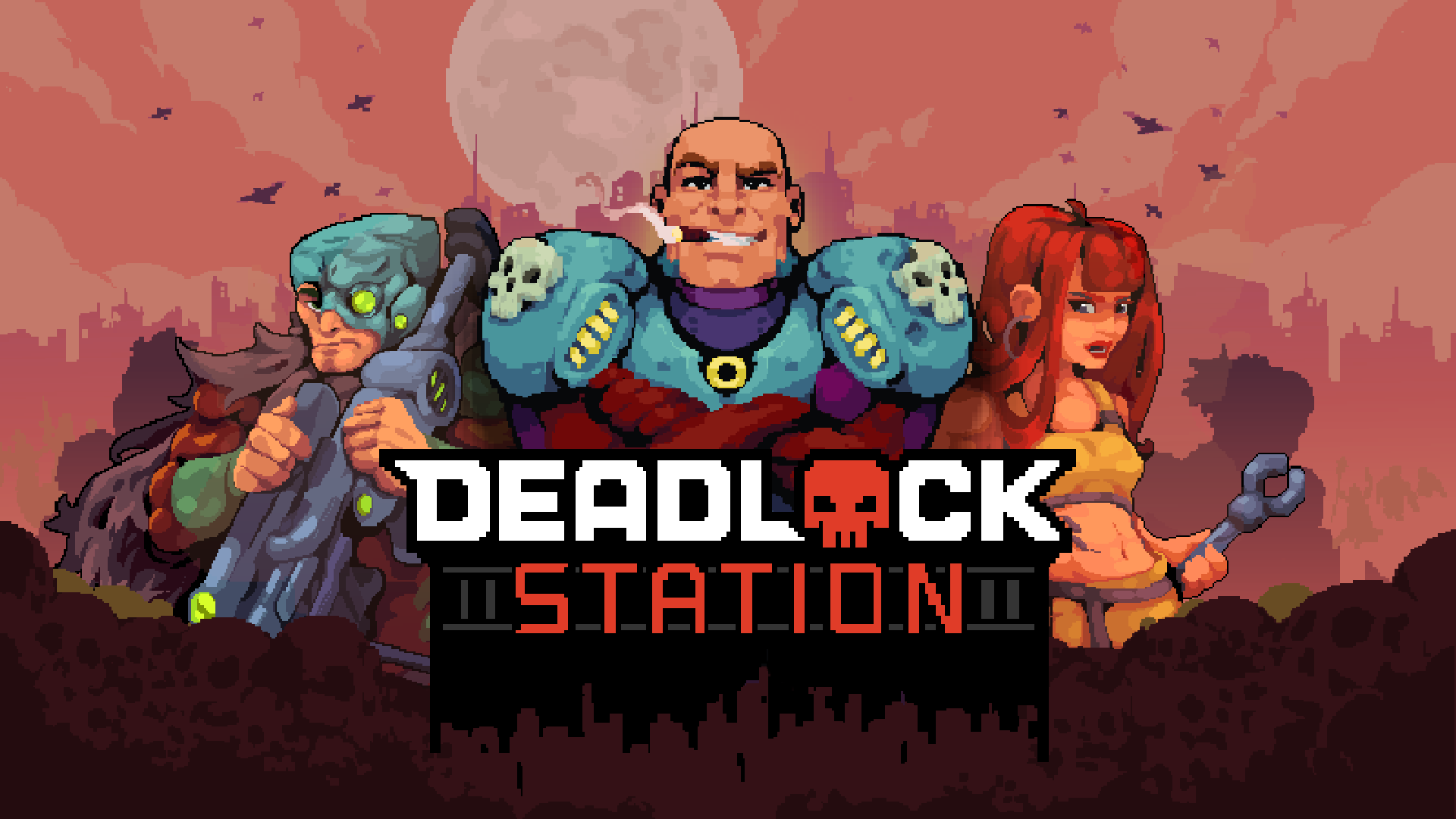
Deadlock Station is a squad-based tactical roguelite where the battlefield does most of the killing. You construct spike walls, bait enemies into traps, shove them onto mines and hazards, and generally arrange a situation in which your three robots survive and everything else doesn’t.
It’s the third project from Luxorix Games, a three-person indie team who met by chance and stayed together, and it’s comfortably their most ambitious. It’s also considerably deeper than the “autobattler” tag suggests.
Combat as a Puzzle, Not a Reflex Test
Our verdict: Deadlock Station brilliantly transforms tactical combat into an engaging puzzle where your planning matters more than reflexes. That’s the whole design in one line.
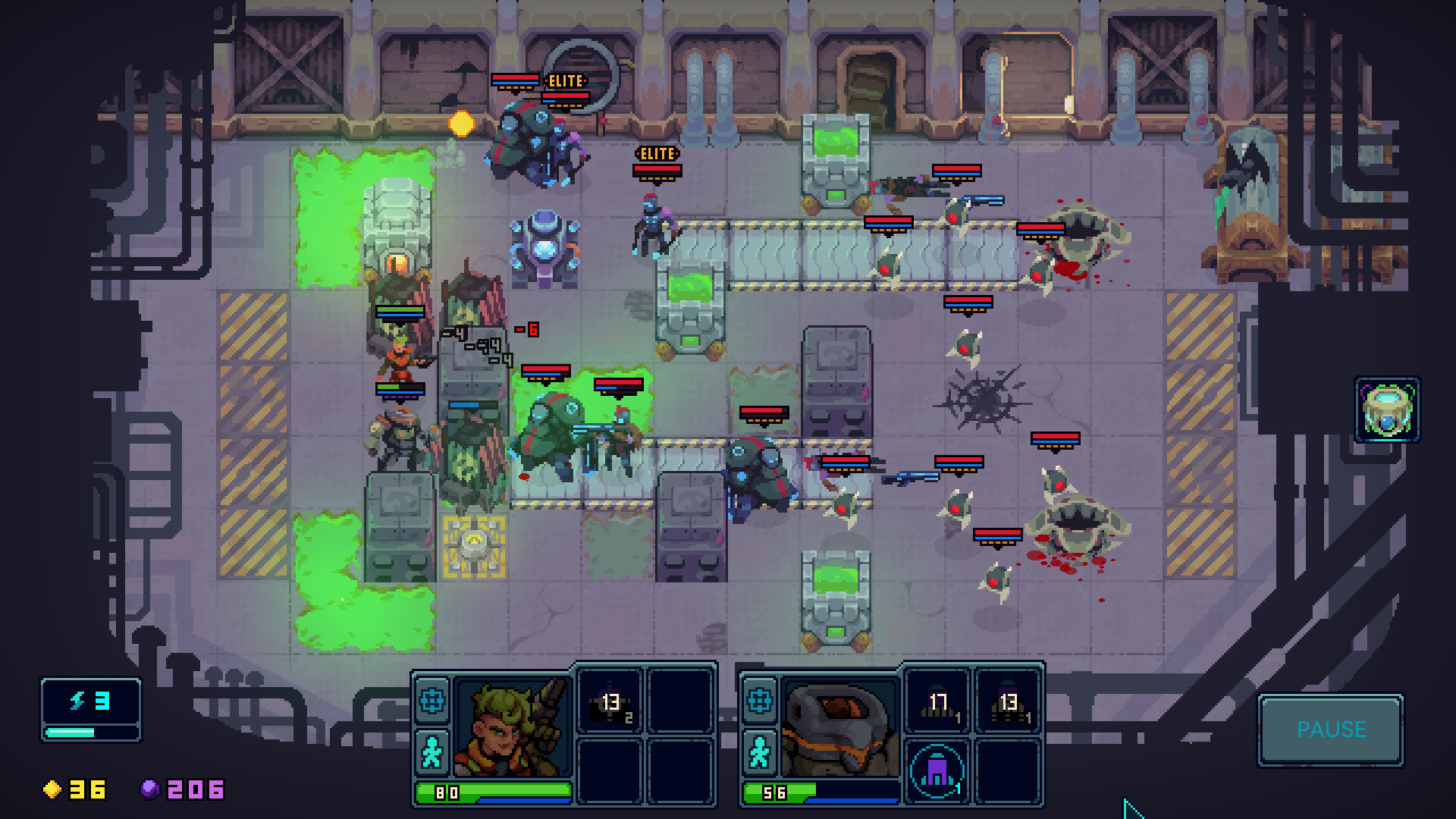
Before a battle you read the terrain, study the interactive objects, and decide who enters where. Tuck your shooters somewhere protected and put the armoured units on the front line — or try something less obvious and considerably riskier. Then you press Battle and find out whether the plan was any good.
Once it’s running, your influence comes through abilities, and here’s the constraint that makes them interesting: all your heroes draw from a single shared energy pool. You can’t use everything, so deciding which ability matters most right now becomes the central in-battle decision rather than a rotation you memorise.
Many of those abilities reshape the map rather than dealing damage — flooding sections with water or acid, repositioning units, changing what the terrain does. Combined with a pause that highlights enemy paths and intentions, it turns fights into something you solve rather than something you out-click.
The Loop
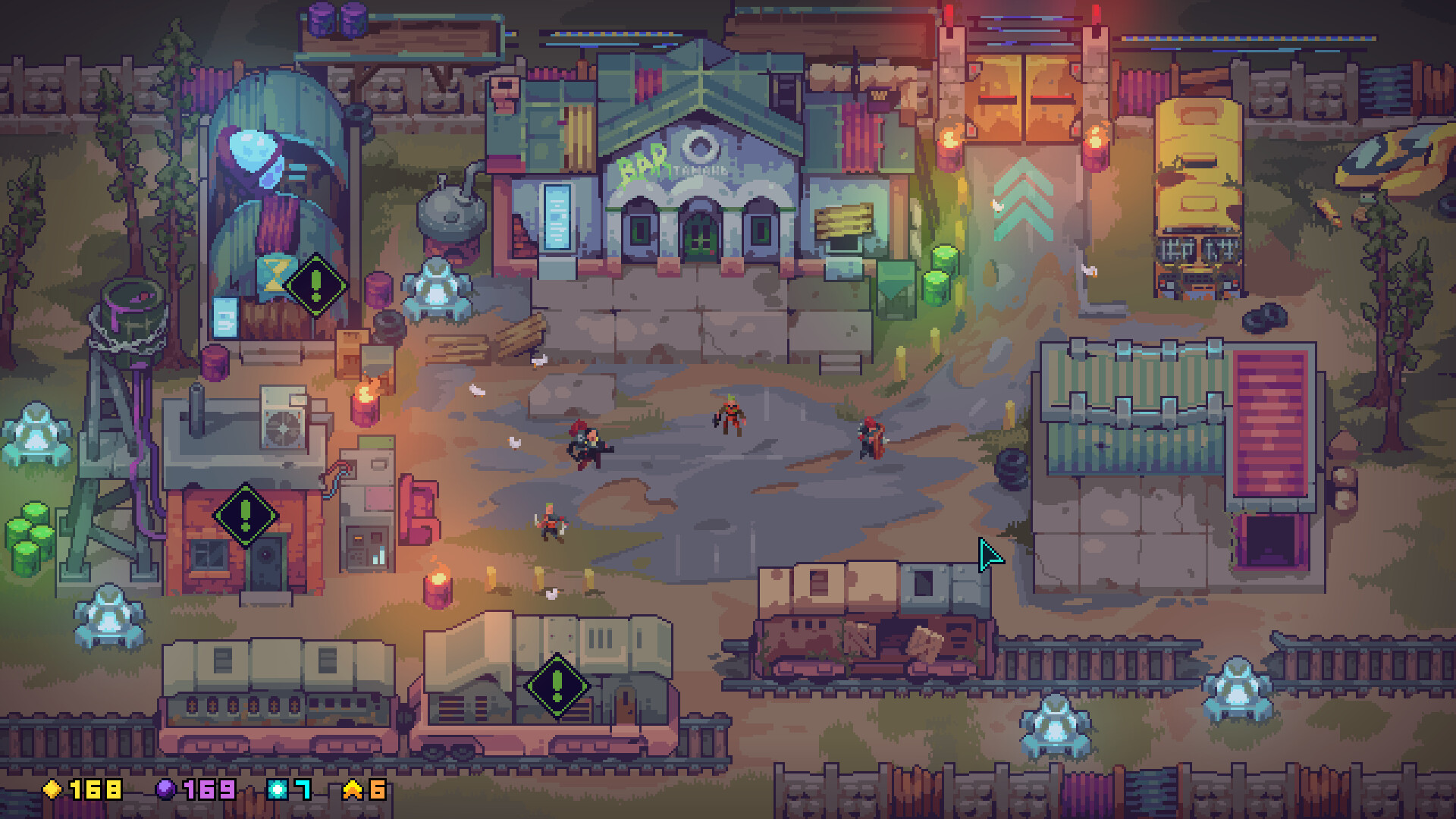
The Station is your hub — pick three of ten heroes, install modules, choose implants, set your starting loadout.
Read the terrain, place your squad, then commit. Most of the outcome is decided here.
Spend from a shared energy pool on abilities, pause to read intentions, and burn artifacts when things go badly.
Battles, events, traders and rest spots across four biomes, each ending at a location boss.
Three Systems Smarter Than the Genre Norm
That third point is worth dwelling on. Most roguelites send you back to square one and soften it with permanent upgrades; Deadlock Station moves the starting line forward instead. It means the four biomes function as chapters rather than as an increasingly tedious commute, which is the failure state that kills a lot of runs-based games.
The faction system deserves a specific mention because it isn’t just power creep. Unlocking an item doesn’t simply raise your numbers — every item comes with an effect to play with, which means expanding your loot pool expands your options rather than your stats.
What Players Are Saying
Early reception is small but consistently positive. One player called it “the best autobattler I’ve ever played, and maybe the most fleshed out one as well,” scoring it 9/10 — with the specific note that despite the autobattler label, there’s real RTS-with-active-pause in here.
The recurring practical observation: it starts hard and gets easier as you learn the systems. That’s the correct shape for this kind of game, but it does mean the opening hour is the least representative part of it.
The two criticisms raised were that the difficulty may have been softened slightly compared to earlier demos, and that the whole thing might be finished in under twenty hours — the latter delivered more as disappointment that it ends than as a complaint about value.
Things to Know Going In
Worth noting on that last point: the requirements are low enough to run on almost anything — an Intel HD4000 and 4GB of RAM as a minimum, with a 500MB install. That’s a genuinely wide compatibility net for a game with this much going on.

The Good, The Bad, & The Ugly
| The Good | The Bad | The Ugly |
|---|---|---|
| You Curate the RandomnessThe Laboratory lets you decide which implants appear in your run and which stay dormant. Deckbuilding logic applied to roguelite loot — you narrow the pool until the right drop becomes likely instead of praying for it. The standout system. | Steep, Unguided OpeningGenuinely difficult before the systems click, and it doesn’t walk you through them. The first hour is the least representative part of the game, which is a rough place to lose people. | Indirect Control Won’t Suit EveryoneYou don’t drive your squad moment to moment, and no amount of manual toggling changes that this is an autobattler at heart. That’s the design working as intended — but it’s a hard filter on who’ll enjoy it. |
| Failure Moves You ForwardFailed runs still progress you toward the location boss, and beating one means your next run starts from there. The biomes become chapters rather than an increasingly tedious commute — which is what usually kills runs-based games. | Possibly Softened DifficultyA player who completed both earlier demos felt the released version had been toned down slightly. Hard to verify, but worth flagging for anyone who came for the challenge. | Around Twenty HoursEarly estimates put a full run through the main objective at under twenty hours. Generous at $9.99, but players are already reporting they’ll be sad when it’s over. |
| Genuinely Deep for the PriceTen heroes, four biomes, modules, implants, artifacts, two currencies, faction reputation and telegraphed loot — all for ten dollars, from three people, running on hardware from a decade ago. | Very Little Aggregate DataReleased 19 August with only a handful of reviews. Early impressions are strong but the sample is small, and long-term balance is untested. | Steam Deck UnratedValve hasn’t assessed it. The requirements suggest it should run fine on almost anything, but there’s no verified badge to point at. |
The Verdict
Deadlock Station brilliantly transforms tactical combat into an engaging puzzle where your planning matters more than reflexes. For a ten-dollar game from a three-person team, the systems design here is genuinely impressive — and in a couple of places it’s smarter than games costing five times as much.
Letting you curate which implants can appear is the standout. It solves the oldest complaint in roguelites — that a run can be ruined by draws you had no say in — without removing randomness altogether. Telegraphing loot before each fight does something similar for route planning, and geographic progression means failure advances you rather than resetting you.
Around that sits a lot of game: ten distinct heroes across three slots, modules and implants and artifacts, two currencies, faction reputation, and battlefields you’re meant to weaponise rather than merely fight across.
The honest read: if you like tactics games where the thinking happens before the shooting, buy it — it’s an easy recommendation at $9.99. Push through the opening hours; almost every positive impression came with “it gets much better once you understand it” attached.
If you want direct moment-to-moment control of your units, this isn’t the game. That’s a deliberate design choice rather than a shortfall, but it’s the single thing most likely to decide whether you get on with it.
Three people, ten dollars, and some genuinely clever ideas. Worth your time.
For more game reviews, check out our full reviews section.
Score Breakdown