
Grail is a PvP autobattler deckbuilder from the Sokpop Collective, out now at $9.99 — currently $7.99 during an introductory window that closes September 8. Runs take fifteen to forty-five minutes, there are 250-plus cards and 100-plus traits, and every character unlocks through play rather than purchase.
It’s also, as far as we can tell, the first genuinely successful deckbuilder-autobattler hybrid — a combination plenty of studios have gestured at and nobody had quite landed. The core design here is excellent. What’s built around it is a good deal more uneven.
The Status Effects Are the Best Thing Here
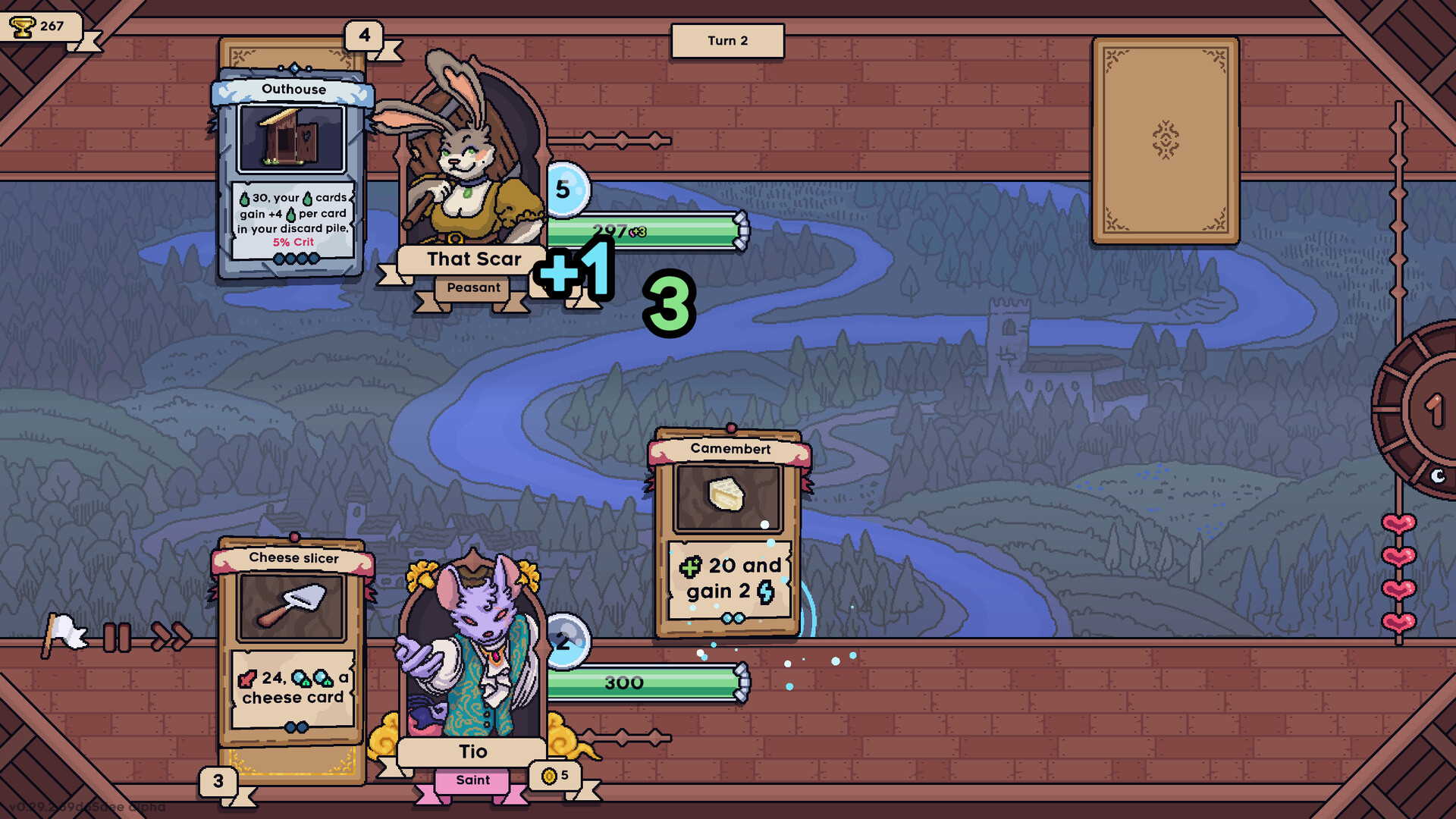
Our verdict: Sokpop’s deckbuilder brilliantly automates combat while letting you design intricate card synergies through upgrades and enchantments that feel genuinely clever. The status system is where that cleverness concentrates.
Each character has their own pool, so build variety scales with the roster rather than diluting it.
One per card. Double plays, crit chance, forced draw order. The lever that fixes autobattler randomness.
Cards can be sold outside battle for gold, which rewards ruthless deck-thinning.
Permanent stat boosts on individual cards, in randomised amounts, from shops, events and traits.
The Presentation Is Charming and Cheap in the Best Way
Sokpop’s art lands somewhere near Redwall — an anthropomorphic medieval fantasy of mice, bunnies and squirrels that’s warmer and more storybook than the genre norm. The roster leans into it: a Mouse Musketeer, a Bunny Bartender, a Squirrel Sciencer. The music is genuinely good.
The technical reach is remarkable too. Minimum spec is Windows 7, a dual-core 2 GHz processor, 4 GB of RAM and a DirectX 9 card with 500 MB, on a 500 MB install. There’s a macOS build. Steam lists seven accessibility features and eleven languages. This will run on essentially anything with a broadband connection, which for a PvP game matters more than usual.
Now the Problems, and They’re Structural
Everything above is the game. What follows is the scaffolding around it, and this is where Grail gets frustrating — particularly for anyone arriving on launch day rather than out of the demo.
The in-game compendium makes this worse rather than better. It only shows cards you’ve personally seen or drafted, apparently because completing it is an achievement chase. So you can’t look up an unfamiliar card, and because Augmenting silently boosts base stats while leaving cards visually identical, you often can’t even be confident what an enemy card’s baseline is supposed to be. That’s a learning curve problem the game creates for itself.

The Launch-Day Player Gets the Worst Deal
Three things compound here, and they all point the same direction.
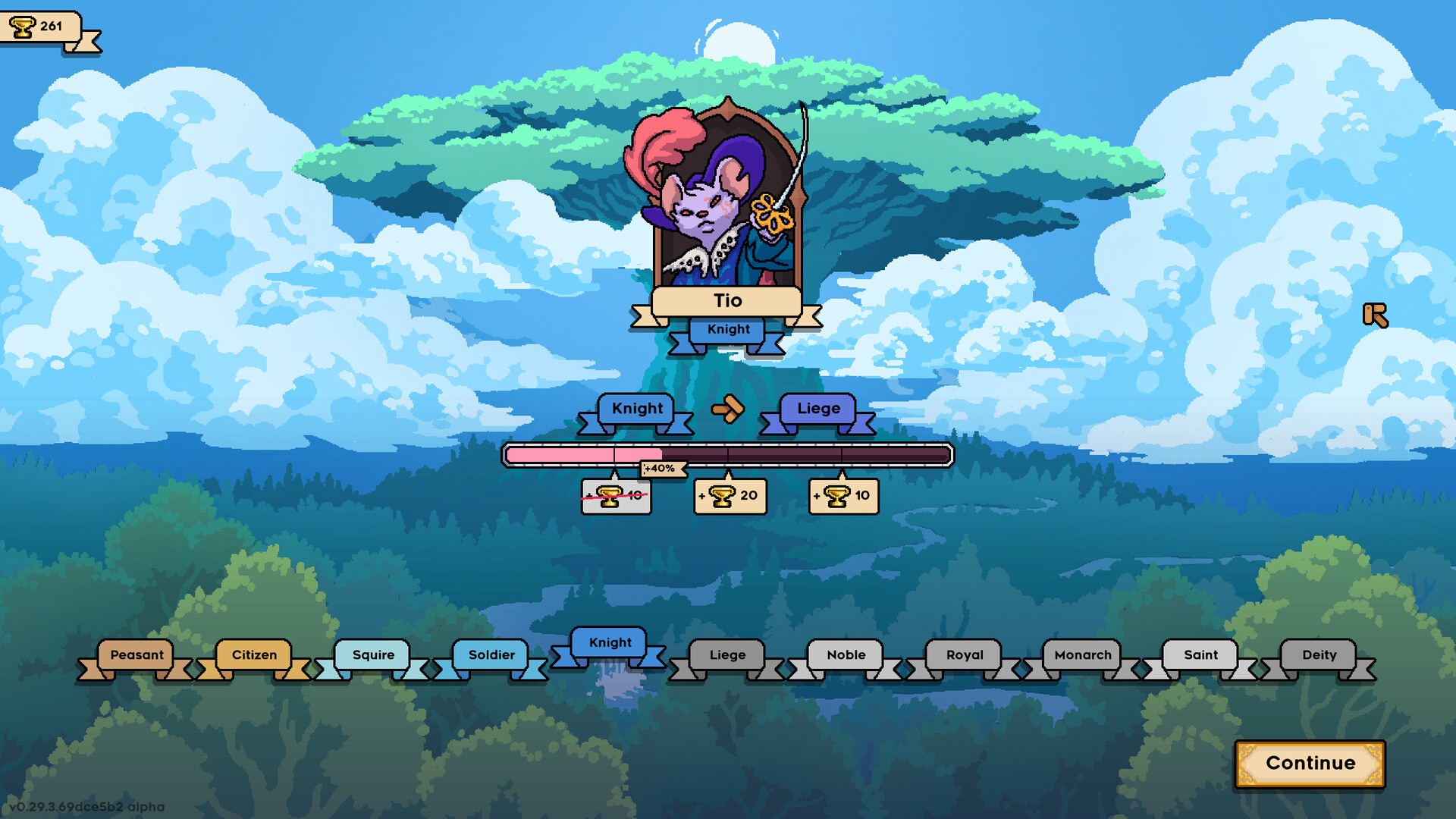
Ranking points largely carry between seasons, with Deity-tier climbing the exception. So demo players and pre-release playtesters started this week well up the leaderboard while you started at the bottom. Cosmetics from the demo period were advertised as exclusive, so you’ll see outfits you cannot obtain — and the ones you can are behind a gacha that hands out duplicates, though its currency can slowly be spent on specific items instead.
And the extra characters sit behind a 200-trophy wall each, at roughly 10 trophies per win, with trophy gain frontloaded. Multiple players flagged this independently as their main frustration. If you burned your demo trophies on cosmetics, you’re grinding those unlocks from scratch.
To be fair on the point that matters most: there are no microtransactions. You are not being asked to pay again for characters, which in this genre is worth real credit. The gating is time, not money. It’s just aimed squarely at the people who bought the game today.
Things to Know Going In
The Good, The Bad, & The Ugly
| The Good | The Bad | The Ugly |
|---|---|---|
| The Status System Is Genuinely OriginalBurn on play/discard, Poison on shuffle, Shock on energy gain, Bleed on any damage taken. Each hooks a different part of the cycling loop, so Burn punishes thin decks and Poison punishes the shuffles that dodge Burn. That interlock is the whole game and it’s excellent. | The Compendium Hides Cards From YouOnly shows what you’ve personally seen or drafted, because completion is an achievement chase. You can’t look up unfamiliar cards, and Augmenting means you often can’t tell an enemy card’s true baseline either. | Hidden Events, Solved Off-PlatformUndocumented triggers the game never explains, already fully mapped by Discord, datamining and a wiki. New buyers get queued against people building around payoffs they’ve never seen. For a genre about meta discovery, that’s the appeal quietly removed. |
| A Loop You Can Explain in a ParagraphDraw one, fill the pips, play or discard, shuffle for two turns when you’re empty. The shuffle penalty makes deck-thinning a real decision, and selling cards for gold makes it a tempting one. Elegant. | The Tutorial Traps YouThe skip option is buried in settings, which multiple players only found after completing a whole run. First impressions matter and this is a bad one for a game otherwise good at onboarding. | Launch Buyers Start BehindRanking points carry across seasons, so playtesters and demo players began this week well up the ladder. Demo cosmetics were advertised as exclusive, so there’s gear you’ll see and can never get. New characters cost 200 trophies each at ~10 per win. |
| Stickers Fix Autobattler RandomnessOne per card — double plays, crit frequency, guaranteed returns to the bottom of the deck. It’s the mechanism that lets you rig draw order, which is what stops “the deck plays itself” from meaning “the game plays itself.” | Weak Visual FeedbackWhen Poison ticks, what triggered a given effect, why a fight turned — none of it is signposted clearly enough, and there’s plenty of unused screen space that could be carrying it. | Matchmaking Flatters YouNo opponents above your rank, bot boards at lower ranks, no play-once-defend-once symmetry, and the active player wins simultaneous deaths. Everyone averages above 50% at every rank, so the ladder measures comfort more than skill. |
| Absurd Value, No Microtransactions$7.99 at launch for 250+ cards, 100+ traits and multiple characters, with every unlock earned by playing rather than paying. It also runs on a DirectX 9 card in 500 MB, with a macOS build and seven accessibility features. | Grace Is UnexplainedA mechanic often gated behind events, tied to endless mode and the ending structure, with no in-game explanation of what it’s for. Fine to ignore entirely — but you shouldn’t have to work that out yourself. | Third-Party Tools Are the Real MetaA wiki, a Discord where the obscure mechanics get discussed, and a site pulling player data via the game’s API for netdecking. Players who don’t know these exist are simply playing a harder game than those who do. |
The Verdict
Grail’s core is the real thing. The energy-and-pips loop is clean, the shuffle penalty gives deck-thinning genuine weight, the stickers restore enough control to make construction feel authored rather than hoped-for, and the five status effects lock together into something no other game in this space has managed. Sokpop have made the deckbuilder-autobattler work, and at $7.99 with no microtransactions and 250-plus cards, the value is close to indecent.
What surrounds it is a different standard. A compendium that withholds information for achievement reasons. Hidden events that were fully solved on Discord before launch day. Matchmaking that inflates everybody’s win rate. A ladder where the people who played the demo started ahead of the people who paid. None of these are gameplay flaws — they’re all decisions about progression, transparency and competitive integrity, and every one of them lands hardest on the newest player.
Most are fixable, and cheaply. Open the compendium. Document the events in-game. Reset seasonal ranking, or at least separate the demo cohort. Put a skip button on the tutorial’s first screen. None of that requires redesigning anything that works.
The honest read: buy it, and buy it for the deckbuilding rather than the ladder. If you want to construct absurd cascading machines out of mice and squirrels for eight dollars, this is one of the best things you’ll play this year. If you want a competitive PvP autobattler where the rank means something and everyone starts level, come back after a few patches — or accept that you’ll need the wiki open like everyone else.
For more game reviews, check out our full reviews section.