
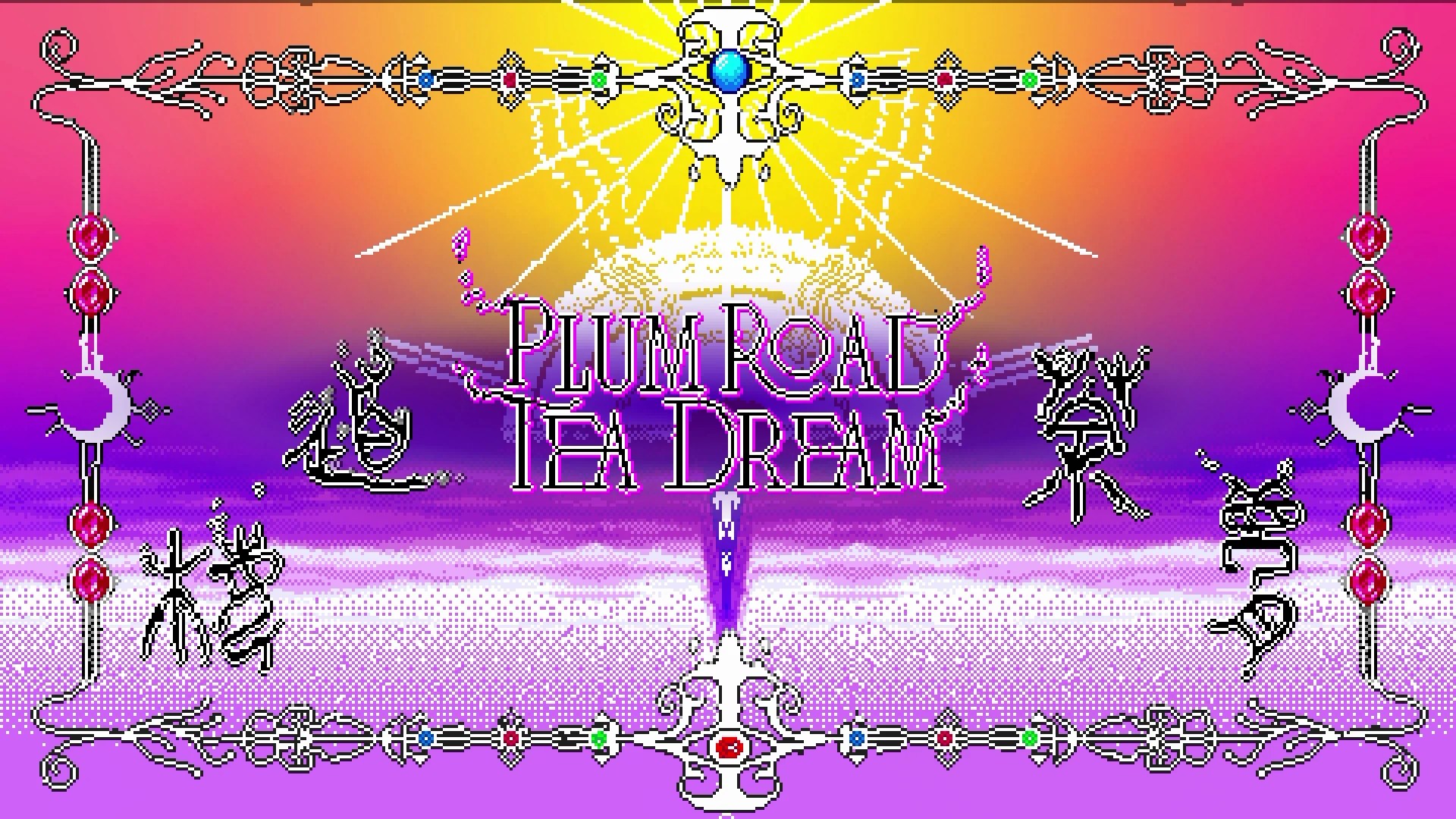
Our Plum Road Tea Dream review is for a game unlike anything else we’ve covered this year. It’s a semi-autobiographical narrative adventure from Belgian-Ghanaian creator Samuel Baidoo and Reveal Game Studio, built around the life of “S” — a young queer game designer of color who builds virtual sanctuaries that mirror their own journey through grief, identity, and healing. It’s an IGF Nuovo Award finalist, and it wears that art-first pedigree openly.
This Plum Road Tea Dream review is based on the free Prologue ahead of the July 27 launch, and it left us genuinely intrigued for the full release. This is a game that asks you to slow down — to walk, to sit, to listen, and to feel deeply. If you come to games looking for challenge, systems, or a win condition, this will read as strange. If you come to them as a medium capable of holding real grief and real hope, it’s doing something quietly remarkable.
Seven Sanctuaries
The core verbs are walking, sitting, and listening. Rather than tasks to complete, each space is a place to inhabit — a deliberate refusal of urgency that reframes what “playing” can mean.
Seven distinct chapters, each a structure built by “S” holding untold stories and the potential for healing. Every sanctuary has its own gameplay style and its own emotional register.
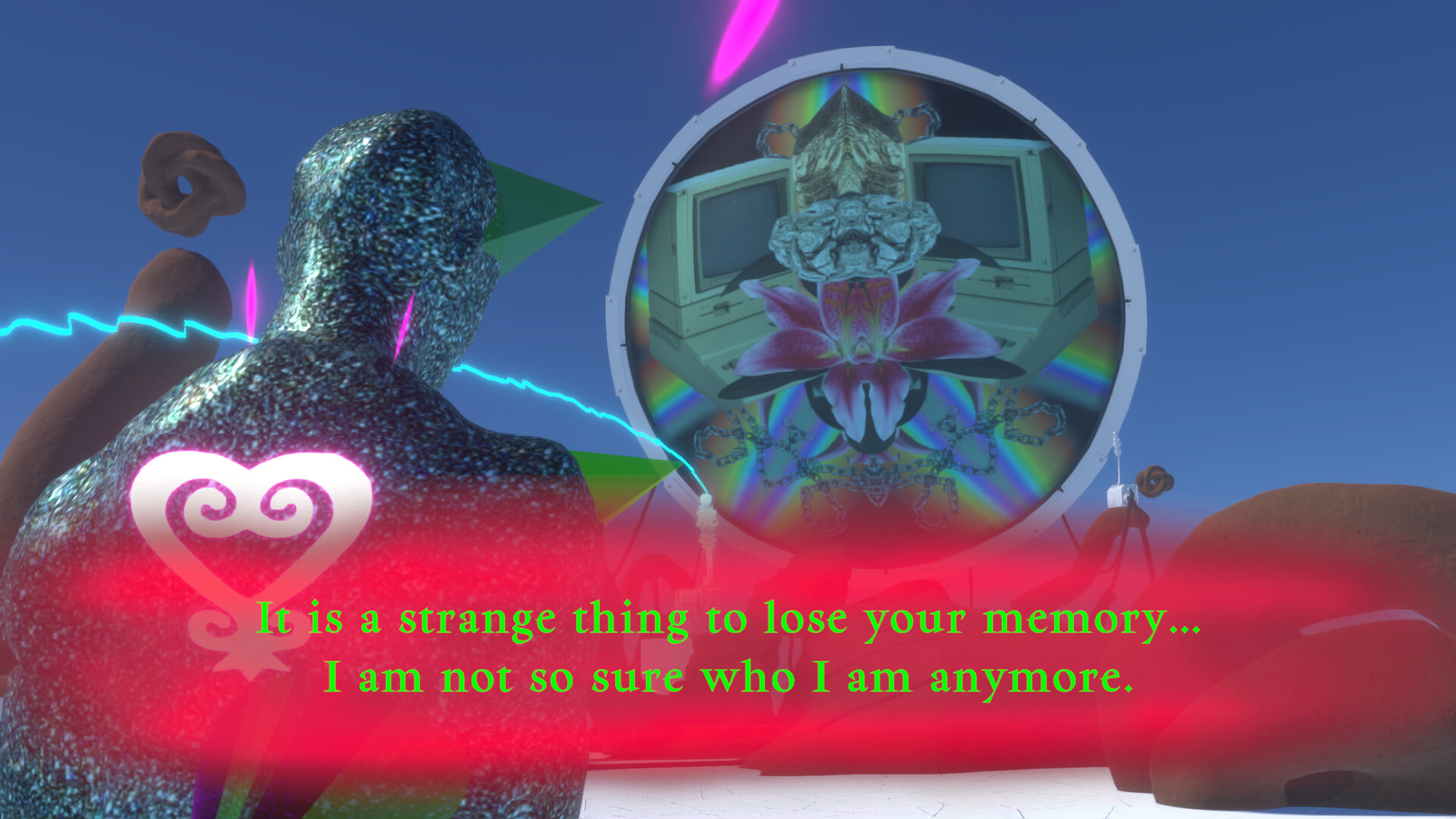
Collect tablets to create animistic gods with a futuristic machine; face challenges in empathy to manifest the Sword of Sadness and shape its myth. Ritual is a mechanic here, not just a theme.
Guardians portray the many selves of “S,” revealing the secrets of their surroundings. Identity isn’t a single character but a chorus — the game literally splits the self into voices.
Grief as Structure, Ritual as Mechanic
What struck us most about the Prologue is how deliberately Plum Road Tea Dream refuses the shapes games usually take. There’s no failure state, no optimization, no rush. The main action is walking, sitting, and listening — and that restraint is a statement. In a medium that so often equates engagement with pressure, choosing stillness is its own kind of radical, and the game trusts you to meet it there. It’s best played the way the developer suggests: slowly, with a warm cup of tea beside you.
The structure is where it gets genuinely inventive. Grief isn’t a cutscene here; it’s the architecture. Each of the seven sanctuaries is a space “S” built to hold a different kind of pain, and the mechanics bend to match — creating animistic gods from collected tablets, manifesting a Sword of Sadness through challenges in empathy, meeting guardians who are fragments of the same person. Ritual, so often flattened into a checklist in other games, is treated with real weight. It’s the rare game where the systems and the themes are the same thing.
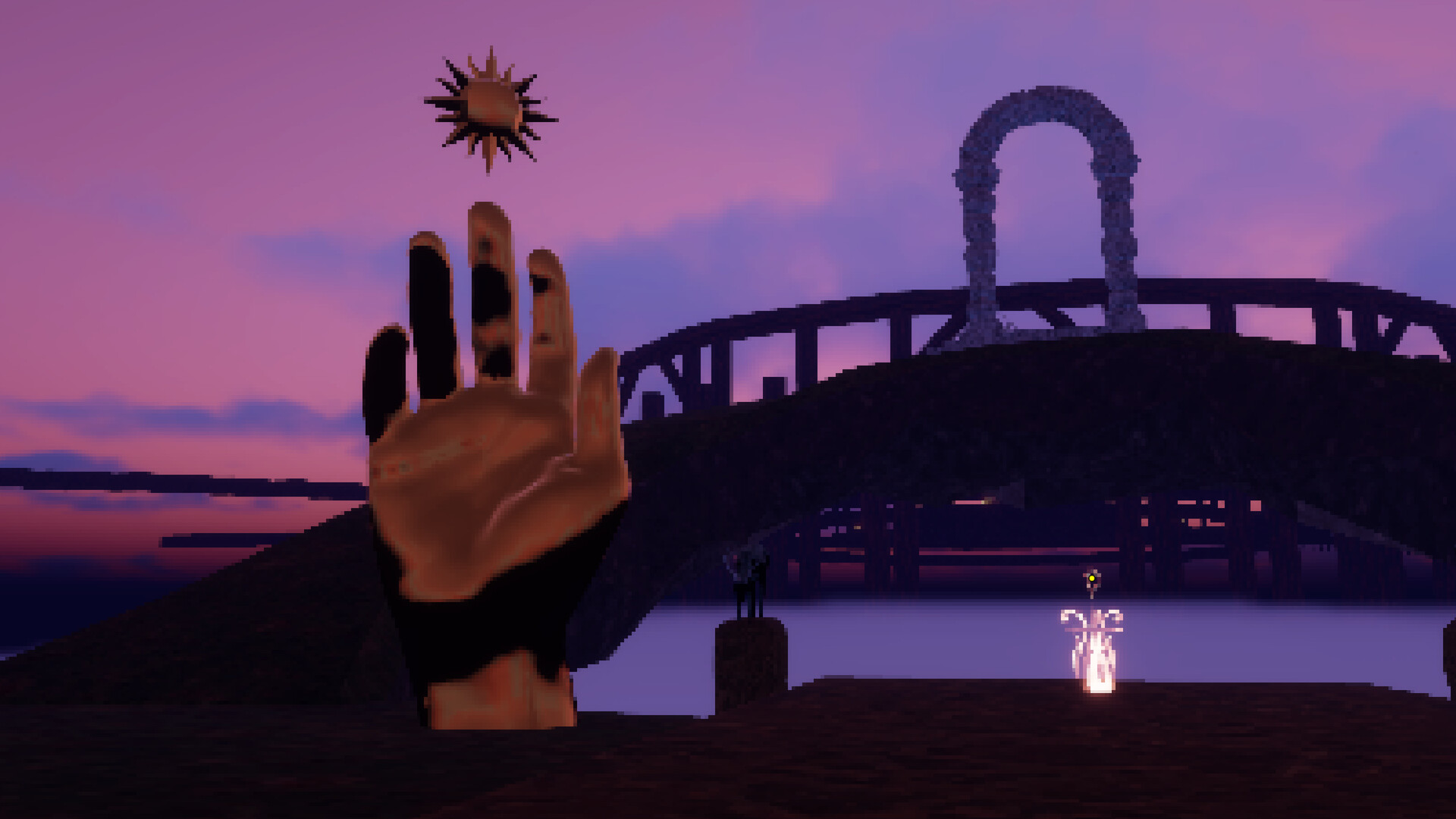
Visually it’s just as restless, and on purpose. The game moves between hyper-realistic modern rendering and the nostalgic pixelated haze of PSX-era graphics, using that whiplash to mark shifts in memory and headspace. It shouldn’t cohere, and yet the eclecticism is the point — a mind doesn’t remember in a single art style either. Dutch critics have already singled it out as a site of memory and remembrance, and even in the Prologue you can feel why.
What to Keep in Mind
It is not a game for everyone, and doesn’t try to be. If you want challenge, mechanical depth, or replayability, this isn’t that — and measuring it against those things misses the point entirely. Go in expecting a slow, reflective experience closer to interactive art or a walking-sim memoir than a traditional RPG, despite the store tag.
The subject matter is heavy. The developer is upfront that the game deals with police brutality, homophobia, gay-bashing, and threats of violence. It’s designed to be sat with rather than escaped into, and that’s a feature — but it means it asks something real of you emotionally. It’s not a wind-down game.
It’s short. This is a concise, curated experience by design, not a sprawling one. That’s the right call for what it’s doing — grief doesn’t need to be padded — but if your value calculus is hours-per-dollar, adjust expectations accordingly.
We’ve only played the Prologue. These impressions cover a slice of the full seven-chapter release. The structure and tone are already compelling, but we’re holding a firm verdict until the complete journey — and its promised hopeful conclusion — is in hand.

The Highlights, The Caveats, & The Heavy
| The Highlights | The Caveats | The Heavy |
|---|---|---|
| Grief as ArchitectureThe structure is the star. Seven sanctuaries where the mechanics and the themes are the same thing — ritual, myth-making, and empathy challenges that carry real emotional weight. It’s a genuinely inventive way to build a game about healing. | Not for EveryoneNo challenge, no systems, no win condition. If you want mechanical depth or replayability, this will feel alien. It’s interactive art in the shape of an RPG, and it needs to be met on those terms. | Confronts Real PainPolice brutality, homophobia, gay-bashing, threats of violence — the game asks you to sit with these, not escape them. That’s the point, but it means it’s emotionally demanding and not a casual play. |
| Bold, Restless ArtThe swing from hyper-realism to PSX-era pixels shouldn’t work and absolutely does, using visual whiplash to map memory and headspace. Distinct, atmospheric, and unlike almost anything else on Steam. | Short by DesignA concise, curated experience rather than a long one. The right choice for the material, but hours-per-dollar players should set expectations before buying. | Emotionally DemandingThis is a game to be sat with, not switched off into. It rewards presence and reflection, which is a very different ask than most games make — and worth knowing going in. |
| Rare, Necessary PerspectiveCentering queer and POC narratives with this much care and craft is genuinely uncommon in games. Award juries and critics have noticed, and even the Prologue shows why — it’s doing something the medium needs more of. | Prologue Only (For Now)Our impressions cover a slice of the full seven chapters. The tone and structure are compelling, but the complete verdict waits on the finished journey and its hopeful ending. | Hard to ScoreA number sits awkwardly against a semi-autobiographical work about someone’s real grief. We’ve scored it for consistency, but the words carry the review — not the figure. |
The Verdict
This intimate indie RPG transforms grief into profound self-reflection through methodical storytelling and meaningful ritual. That’s our TBB Curator take, and the Prologue absolutely bears it out. Plum Road Tea Dream is a very unique, quietly brave piece of work — the kind of game that reminds you the medium can hold sorrow and hope in the same breath, and that not everything worth playing is built to be “beaten.”
It won’t be for everyone, and it isn’t trying to be. It’s short, it’s slow, it asks you to sit with real pain, and it measures success in reflection rather than progress. But for the right player — anyone who believes games can be a place for memory, mourning, and care — it’s already among the more affecting things we’ve touched this year, even in prologue form.
The honest split: if you’re drawn to narrative art games, walking-sim memoirs, or stories rarely told in this medium — especially queer and POC stories told with this much craft — wishlist this and go in with an open heart. Play it slowly, with tea, the way it’s meant to be experienced.
If you need challenge, systems, or replay value to feel like you’re “playing,” this isn’t your game — and that’s okay. Not every work is meant for every player, and Plum Road Tea Dream is confident enough in what it is not to chase you.
We’ll be back with a full verdict once the complete seven-chapter release is out on July 27. But we wanted to say this now, to the developer directly: thank you for doing something different and creative. The world needs more work like this. Our Prologue score reflects a first look at something special — and our genuine intrigue to see the whole of it.
For more game reviews, check out our full reviews section.