
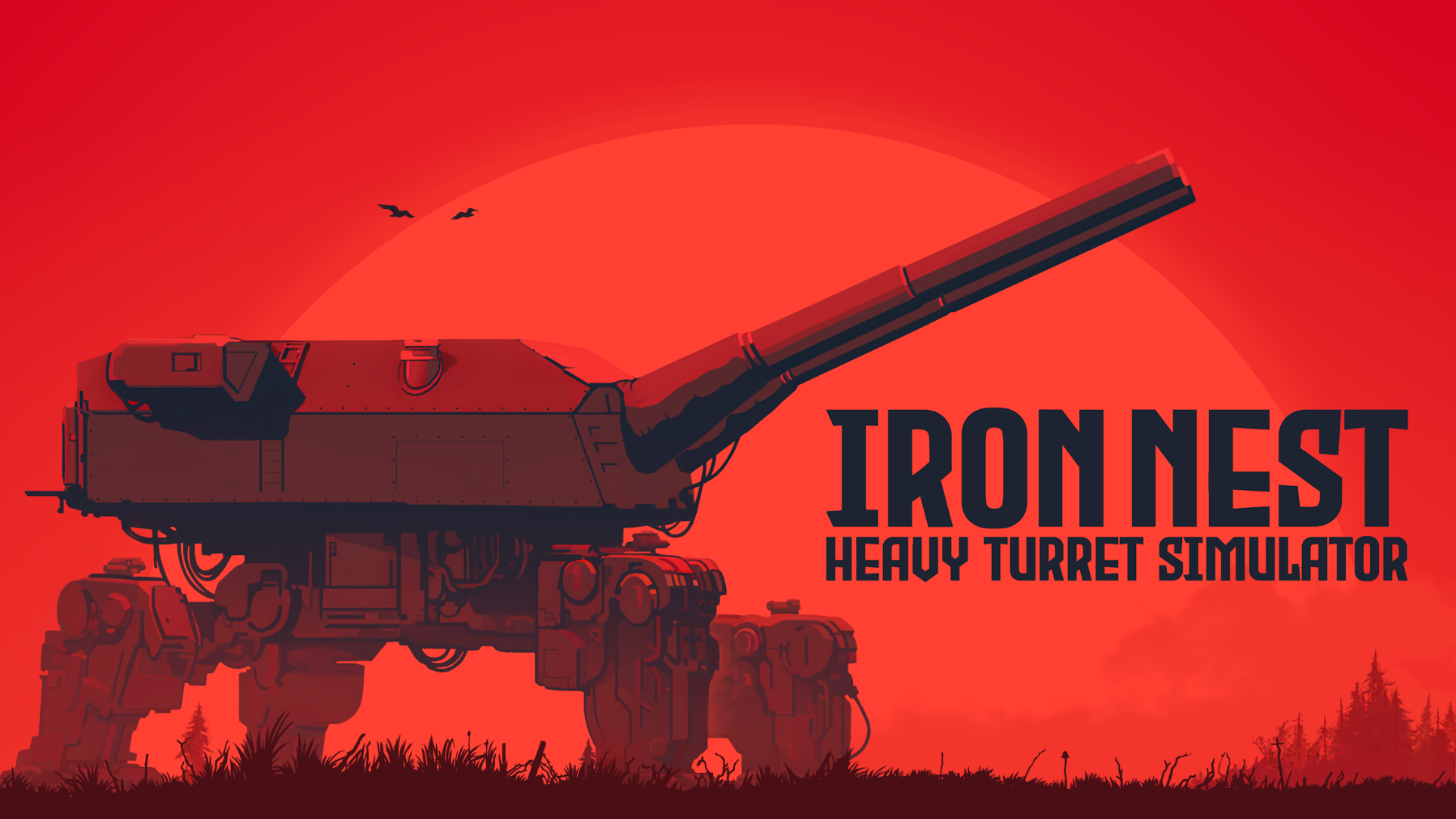
IRON NEST: Heavy Turret Simulator puts you alone inside a colossal dieselpunk artillery platform in an alternate-history Spain of the late 1920s, where the monarchy still holds and a republican uprising is spreading. You are the sole operator. Every lever, dial, wheel and shell is yours to handle.
It released on August 6 from a two-person team, costs $19.99, and currently sits at Overwhelmingly Positive across more than twelve thousand reviews. Having played it, that number is not a fluke. This is one of the most confidently executed small games of the year.
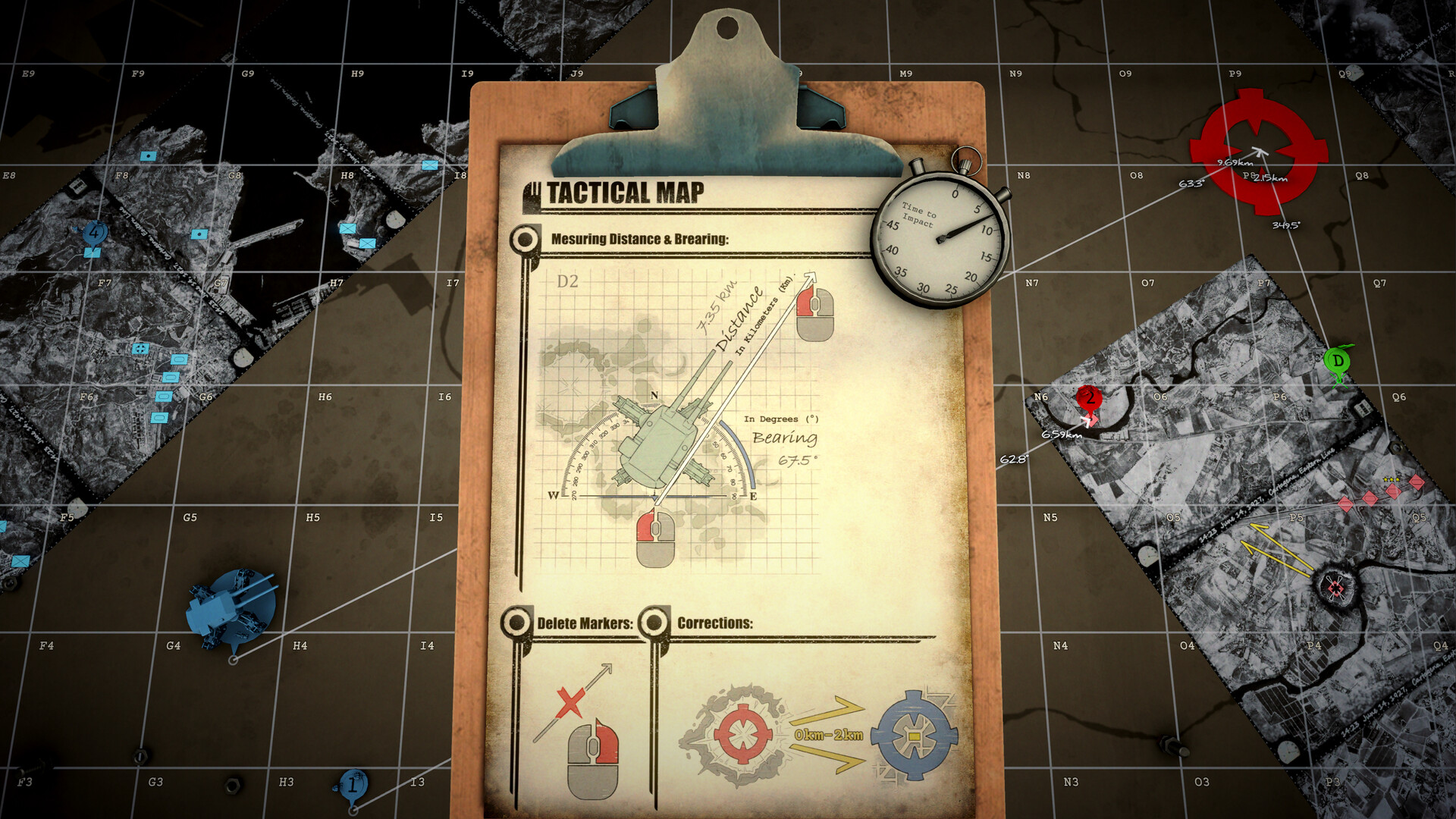
Work, Made Into a Game
Our verdict: IRON NEST delivers a uniquely grounded artillery experience that demands precision and patience over twitch reflexes. That’s the whole design, and it’s worth sitting with why it works.
High Command directives on one, frontline calls on the other. Both matter, neither is complete.
Figurines, lines, arcs and intersections. Your map is a workspace, not a UI overlay.
Armour-piercing for bunkers, smoke to screen withdrawals, and worse things on request.
Photos come back after the shot. That’s your feedback loop, and the wait is part of it.
Pressure That Actually Lands
What stops this from being a relaxing spreadsheet is that the enemy has artillery too. This is a setting where everyone had guns, and you will come under counter-battery fire while you’re mid-triangulation. Nobody waits for you to check your arcs.
Intelligence compounds it. Reports arrive partial, or time-sensitive, leaving you to fill the gaps. You can request additional recon to pin a position down — if your budget allows it — or fire early so the shell arrives exactly when it needs to. Those are real decisions with real costs, and they’re what elevate the loop above busywork.
The pressure has an edge to it. Being the sole operator while High Command demands new targets, the frontline calls for support, and shells fall around you, all while you’re still working out which radius intersection is the true one — that can genuinely throw you. Get it wrong badly enough and you’re a pile of wreckage.
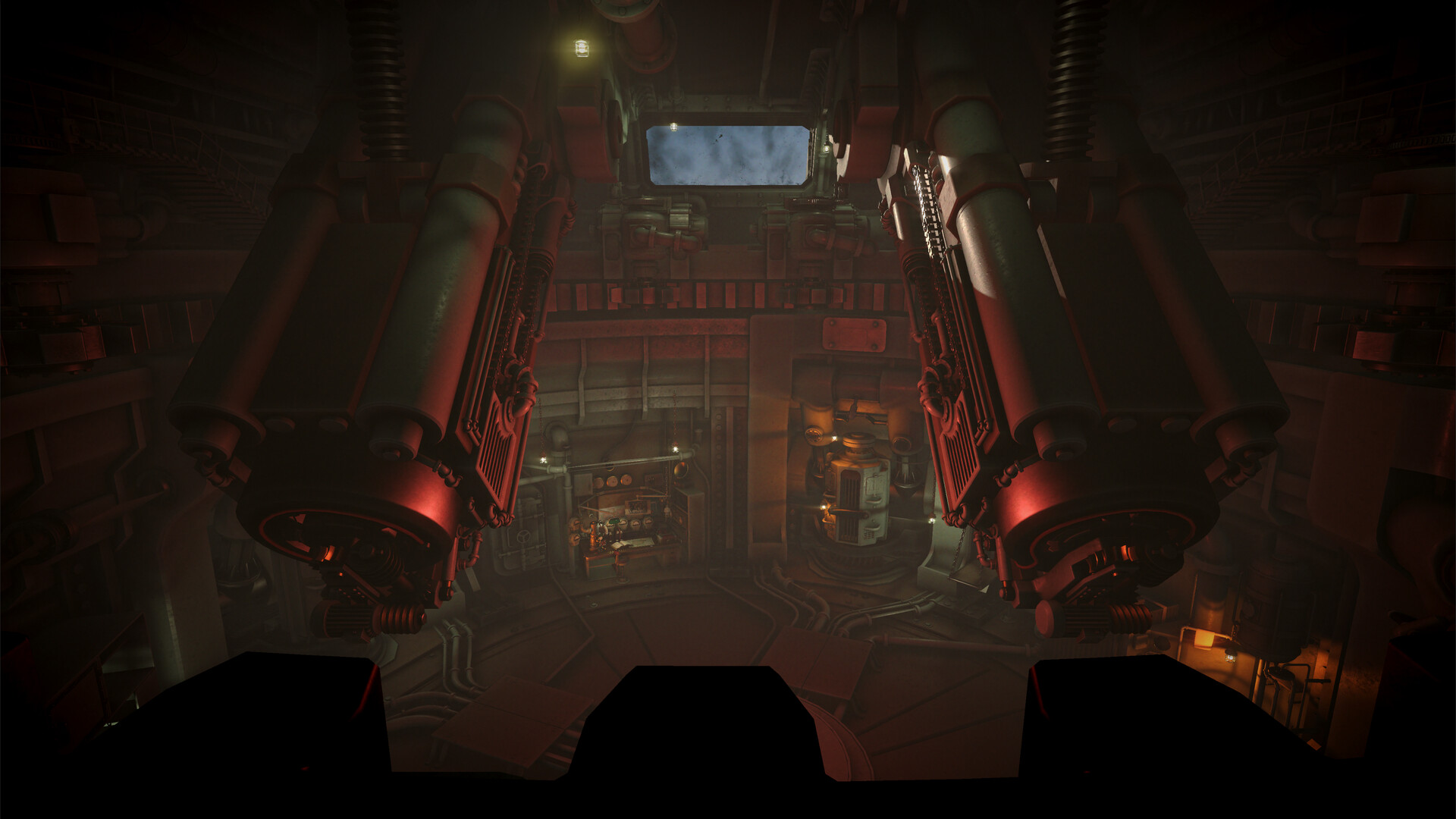
Where the Ideas Stop Developing
The most consistent criticism, and it’s a fair one: the core ideas don’t evolve much past the opening hours. The loop you learn in mission two is broadly the loop you’re still running in mission fifteen. Mission variety and escalating situations carry it further than they should, but mechanically the ceiling arrives early.
The clearest missed opportunity is the ammunition. You unlock thirty shell types, and very few missions are built to make them matter beyond a handful of obvious cases. Several players wanted scenarios that demanded plunging AP fire into buried bunkers, or flat trajectories to punch through heavy armour — situations where the angle of the shot has tactical meaning rather than just changing travel time. That’s a genuinely good idea the game leaves on the table.
Late-game input fatigue is real too. Manually entering angle and rotation every single time gets wearing by the end. The saving grace is that the campaign finishes at a reasonable length, so it stops before it wears out its welcome — though that’s fixing the problem by ending rather than by solving it.
Two People, and It Shows in the Right Way
IRON NEST is the work of Nick Nieuwoudt and Dominik Latos, with roughly two decades of combined experience and, by their own account, a lifelong obsession with artillery, interwar machinery and dieselpunk. Nieuwoudt has apparently wanted to make this for over a decade.
You can feel that. There’s no padding, no systems bolted on to hit a feature count, and a level of polish that a lot of much larger productions don’t reach. The team also went out of their way to credit PVKK as having helped shape the genre they’re working in, which is a class act.
Post-launch support has been quick. Patch #6 added a save and resume system a fortnight after release, alongside bug fixes, and there’s a public roadmap. Players are already asking for co-op multiplayer, which — given that this is a machine plainly designed for a crew — would be an extraordinary addition if it ever happens.
Things to Know Going In

The Good, The Bad, & The Ugly
| The Good | The Bad | The Ugly |
|---|---|---|
| Every Input Is PhysicalYou don’t select targets, you locate them. You don’t set elevation, you haul the wheel. Nothing is abstracted into a menu, which means every landed shell feels like something you personally achieved rather than something the game granted you. | The Ideas Stop EvolvingThe loop you learn in the first hour is broadly the loop you finish on. Mission variety carries it further than it should, but mechanically the ceiling arrives early and the game never raises it. | Medals Hide Their Own RequirementsYou aren’t told what earns a better grade, and some medals are impossible on a first playthrough because they need later unlocks. A blind self-challenge run can waste hours chasing something unachievable. Withheld information, not difficulty. |
| Exceptional Sound DesignThe clanking and whirring is genuinely therapeutic, and the interwar soundtrack keeps you steady while you work under fire. Multiple players described this as their game for when an FPS would be too much. | Thirty Shells, Few ReasonsYou unlock a huge ammunition roster and the missions rarely make most of it matter. No scenarios demanding plunging fire into bunkers or flat trajectories against armour — the angle rarely means anything beyond travel time. | Late-Game Input FatigueManually entering angle and rotation every single time wears thin by the end. The campaign finishes before it becomes intolerable, which solves the problem by stopping rather than by fixing it. |
| Pressure With Real TeethCounter-battery fire, partial intel, time-sensitive targets and a recon budget you have to spend wisely. The tension is structural rather than scripted, and it makes a plotting-table game genuinely nerve-wracking. | Bare-Bones StoryThere’s a handcrafted campaign and newspaper reports, but narrative depth isn’t on offer. Fine for what this is — just don’t come for the plot. | Ambiguous Spotter IntelTriangulation frequently resolves to two possible positions rather than one. Meant as fog of war, but several players read it as fussy rather than tense. |
| Absurd Value and Reach$19.99 from two people, running on integrated graphics with 4 GB of RAM and a 5 GB install, Steam Deck Verified, with a save system and patches landing fast. Overwhelmingly Positive across 12,000+ reviews. | Short CampaignAround 11 hours, and faster if you get quick at firing solutions. Procedural objectives and challenge modes extend it, but the authored content runs out sooner than you’ll want. | It Wants You to Feel BadNot a flaw — a warning. The chemical shells, the censored briefings, the line about propaganda not erasing your guilt. If you want an uncomplicated power fantasy, this deliberately isn’t one. |
The Verdict
IRON NEST is the rare simulator that understands the difference between complexity and procedure. There’s very little to memorise here. What there is instead is a sequence of careful physical steps that must be performed correctly, under time pressure, with incomplete information and people shooting back. That’s not a maths test. It’s a job, and it turns out doing a job well is enormously satisfying.
Everything that makes it work is craft rather than scope. The tactile feedback on every lever and wheel. The sound design that turns a plotting table into a place. The soundtrack that steadies your hands. The decision to make you run back across the turret to see what your own shell did. Two people built this and there is not a wasted component in it.
It has real limits. The core ideas plateau early, thirty shell types mostly go unused, and the medal system withholds information it has no business withholding. None of those are small complaints — but all of them are complaints about a game that has already earned your twenty dollars several times over.
The honest read: buy it. At $19.99 this is one of the easiest recommendations we’ve made all year, and the free demo means you don’t even have to take our word for it. If you like the idea of solving a problem with your hands, or you’ve ever wanted to understand what artillery crews actually did, this is the game.
Just know what you’re signing up for. IRON NEST is not interested in letting you off the hook for what you’re firing, and it’s a better game for it.
For more game reviews, check out our full reviews section.