
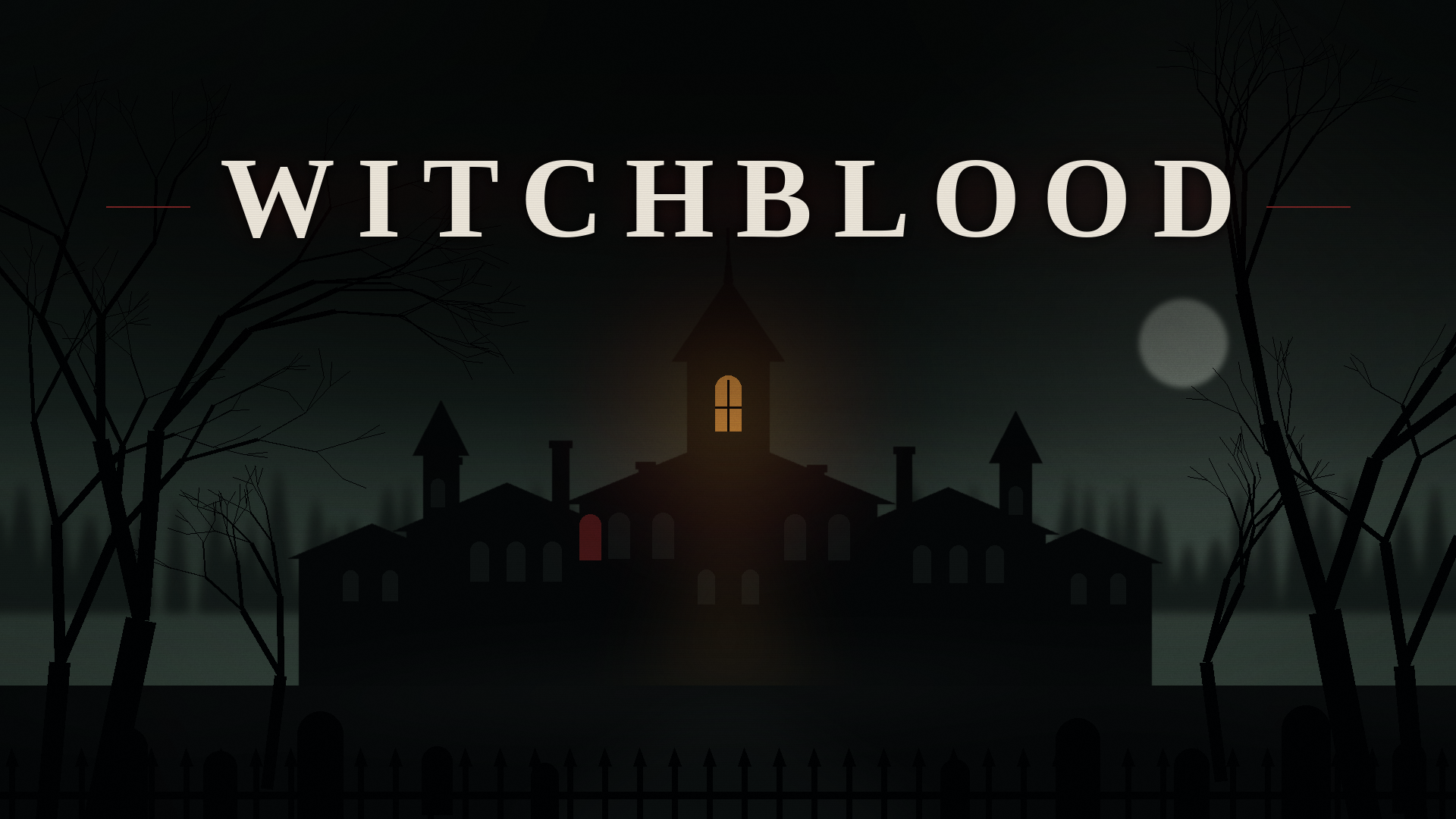
Witchblood takes place in the small town of Mistvale, and centres on the Harper family and the estate you spend the game exploring. Exactly why you’re there isn’t clear at the outset, and the game is in no hurry to tell you.
What it is in a hurry to do is unsettle you, and on that front it succeeds almost immediately.
The Atmosphere Is the Whole Reason to Play It
The jump scares deserve specific credit, which isn’t something we write often. Indie horror scares are usually telegraphed — the music drops out, the corridor narrows, you brace. Witchblood’s don’t follow that grammar. Experienced horror players have repeatedly reported being caught genuinely off guard, which after a couple of hundred indie horror games is a real achievement.
The house layout helps too. You’re free to explore rather than funnelled down a corridor, which means the scares aren’t waiting at predictable choke points — and it makes the estate feel like a place rather than a level.
It Wears Its Influences Openly
The opening in particular carries a strong flavour of it — the approach, the pacing, the reluctance to explain.
The first-person estate exploration and the texture of the house owe a clear debt here.
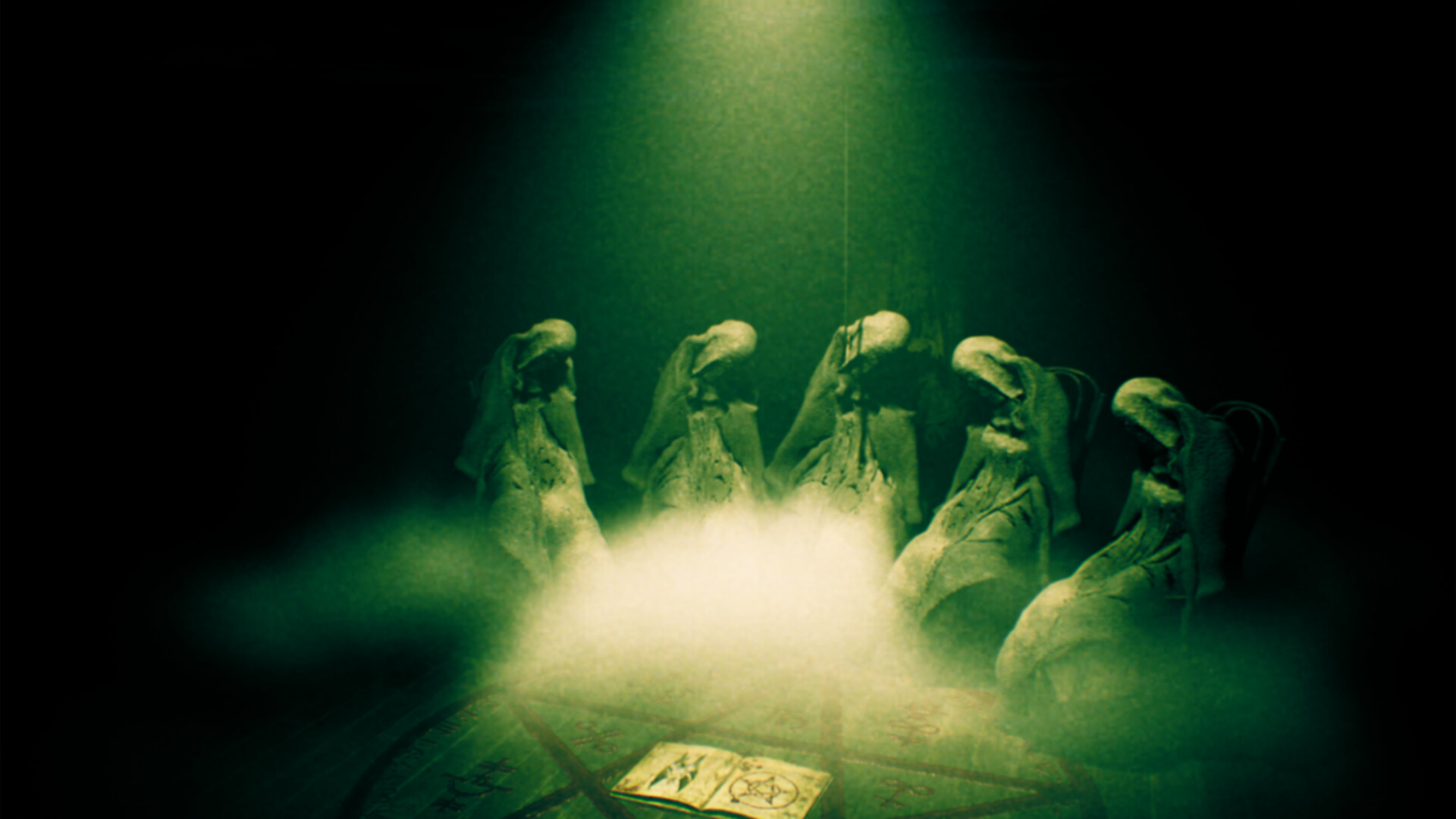
The red door and music box moments are direct nods, and land well if you know the films.
An unmistakable Stephen King reference that most players will clock instantly.
None of that is a criticism. Witchblood is openly built from things its developer clearly loves, and it recombines them into something with its own identity rather than just cosplaying. The newspaper articles scattered through the house are a highlight — genuinely worth reading, and they do more storytelling work than most collectible notes manage.
Now the Problems, and There Are Several


One genuine technical positive worth flagging: native ultrawide support out of the box. That’s something far larger productions routinely skip, and its presence here suggests the rough edges are a matter of time and resources rather than indifference.
Puzzle triggering is inconsistent too. It can be genuinely unclear what advances the next event, and at least one player lost twenty minutes to a hint they’d misread because scenery was obscuring the intended target. Some of that is fair adventure-game friction; some of it is the interaction problems compounding.
The Good, The Bad, & The Ugly
| The Good | The Bad | The Ugly |
|---|---|---|
| Outstanding Atmosphere and SoundThe Harper estate is genuinely oppressive, and the sound design carries it — layered, patient, and confident enough to leave long silences. The music is strong and knows when to vanish. This is the reason to play it. | Imprecise InteractionNo indicator of what’s interactable, no marker for where you’re clicking, and small objects that need an exact angle. In a game about examining a house, examining things is the weakest part — and it repeatedly pulls you out of the mood. | Soft-Locks and Sparse SavesProgress can be lost to a stuck state, and there aren’t enough save points to soften it. Replaying sections of an atmospheric horror game is exactly the wrong kind of repetition — the second pass isn’t scary. |
| Jump Scares That Actually LandThey don’t follow the usual grammar, and experienced horror players report being caught genuinely off guard. After a couple of hundred indie horror games, that’s a real achievement and it’s worth saying plainly. | No Options Menu Worth the NameNo graphics settings, no audio settings, and a menu that looks unfinished. For a PC release this is the most conspicuous gap in the package. | No Way to Reread NotesThe story is told largely through documents you can never revisit. It’s a design gap generally and a genuine accessibility barrier specifically — a journal log is cheap to add and should be the top post-launch priority. |
| A House You Can Actually ExploreFree exploration rather than a funnel, which makes the estate feel like a place and keeps the scares off predictable choke points. The newspaper articles are worth reading, too. | Blurry Despite UE5Unreal Engine 5.4.4 underneath, but frequently soft-looking with visible artefacts — though native ultrawide support out of the box is a real point in its favour. | The Blinking, and the Slow WalkA constant blink effect reaching for a realism the game doesn’t otherwise commit to — you can’t look down and see a body — and movement slow enough that backtracking drags. |
The Verdict
Witchblood is a haunting descent into psychological terror that nails the atmosphere of a decaying manor hiding unspeakable secrets. The hard part of horror — the part most games get wrong — it gets right. The house is oppressive, the sound is superb, and the scares genuinely work on people who have seen everything.
The easy parts are where it falls down. An options menu, a hover highlight, a notes journal, a few more save points: none of these are creative problems. They’re the accumulated missing furniture of a game built by one person who ran out of hours before they ran out of ideas.
That’s a frustrating place for a game to land, because the ceiling here is clearly high. The ending leaves room for a sequel, and on the evidence of the atmosphere alone we’d play it — provided the next one arrives with the plumbing finished.
Buy it if you like atmospheric haunted-house horror, you don’t mind some jank, and you want to back a solo developer with genuine talent for the scary bits. Two hours of it costs less than a cinema ticket.
Wait if imprecise interaction ruins immersion for you, or if losing progress to a soft-lock would end the experience entirely. A patch or two would move this game up considerably.
For more reviews, check out our full reviews section.