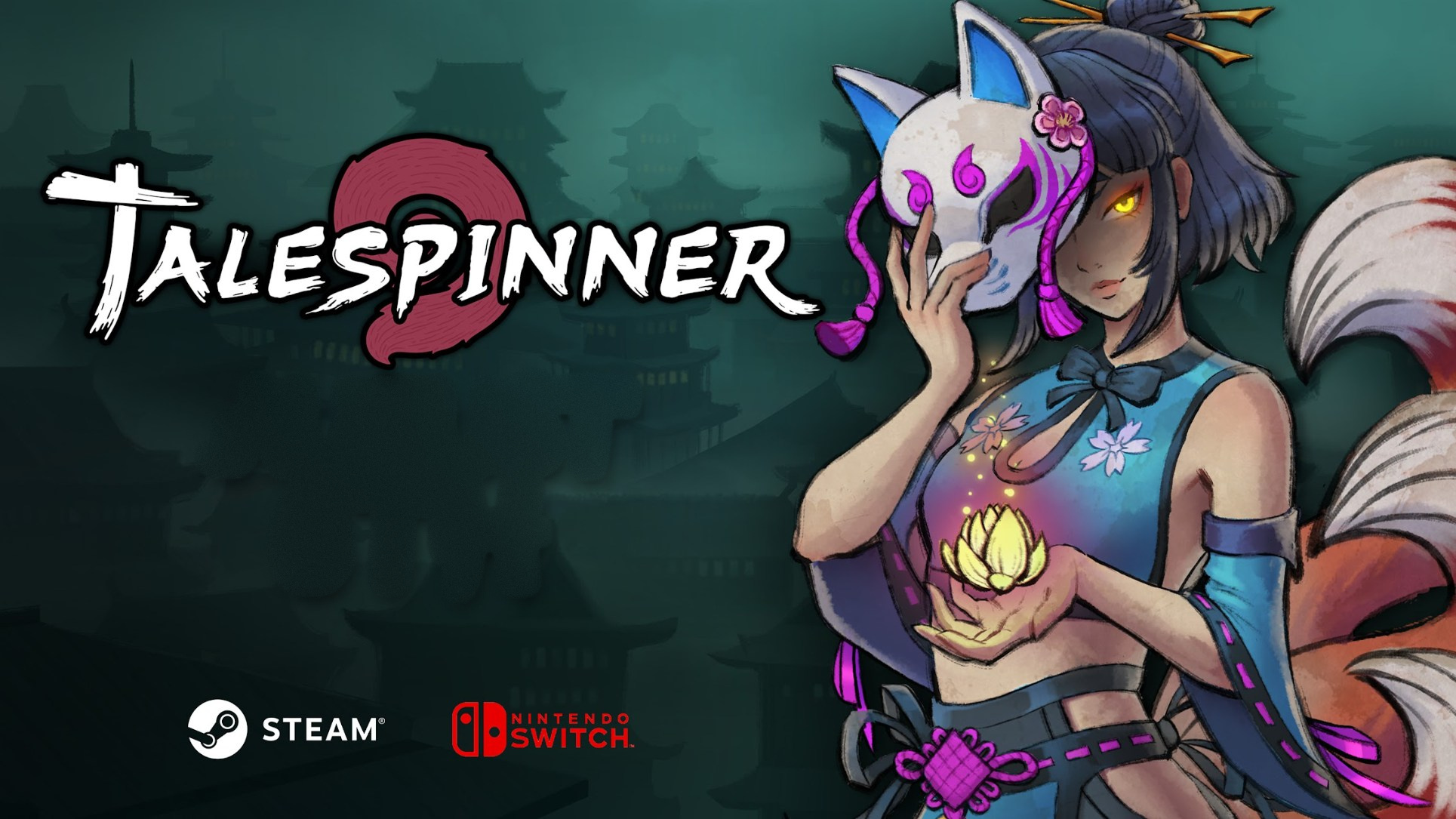
Talespinner is a deck-building roguelike from Flash Cat Games, published by Kwalee, set in a world woven from Japanese mythology. You play the storyteller, guiding a chosen hero through a narrative that shifts with your decisions and your deck.
Our verdict: Talespinner masterfully weaves Japanese mythology into a compelling deck-building roguelike that rewards creative deck construction and meaningful choices. At $14.99 it’s one of the better-value things in a very crowded genre — with a few rough edges that a patch or two would smooth over.
Combat Where You’re Never Just Clicking the Obvious Card
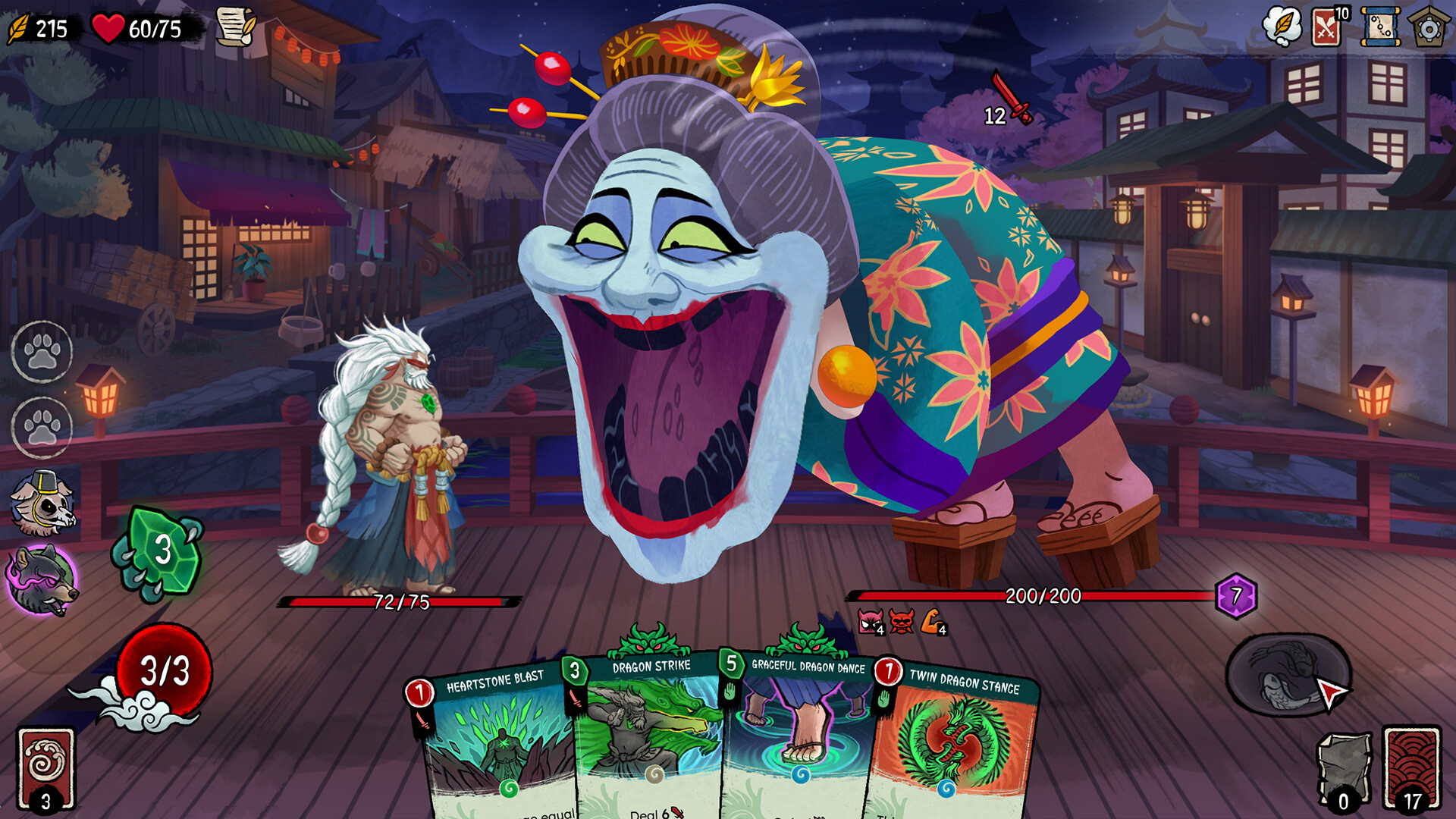
The thing that separates a good deckbuilder from a competent one is whether turns feel like decisions. Talespinner clears that bar comfortably. You’re constantly planning ahead, budgeting resources, setting up future turns, and weighing whether taking a little damage now is worth a much stronger combination later.
Underneath sits a dense layer of buffs, debuffs, status effects and card interactions that actively reward experimentation. There’s no single optimal deck. Stack offensive buffs and hit like a truck, chain extra turns, or build a defensive shell while a poison payoff matures — all of them work, which is what keeps run twenty interesting.
That design philosophy extends to the yokai themselves. Every creature is drawn from folklore closely enough that you can look up virtually any enemy by name and find the myth behind it — and how you deal with them is genuinely open. You can crush them in combat, or win them over through charm and cunning and take them with you.
The Systems Around the Cards
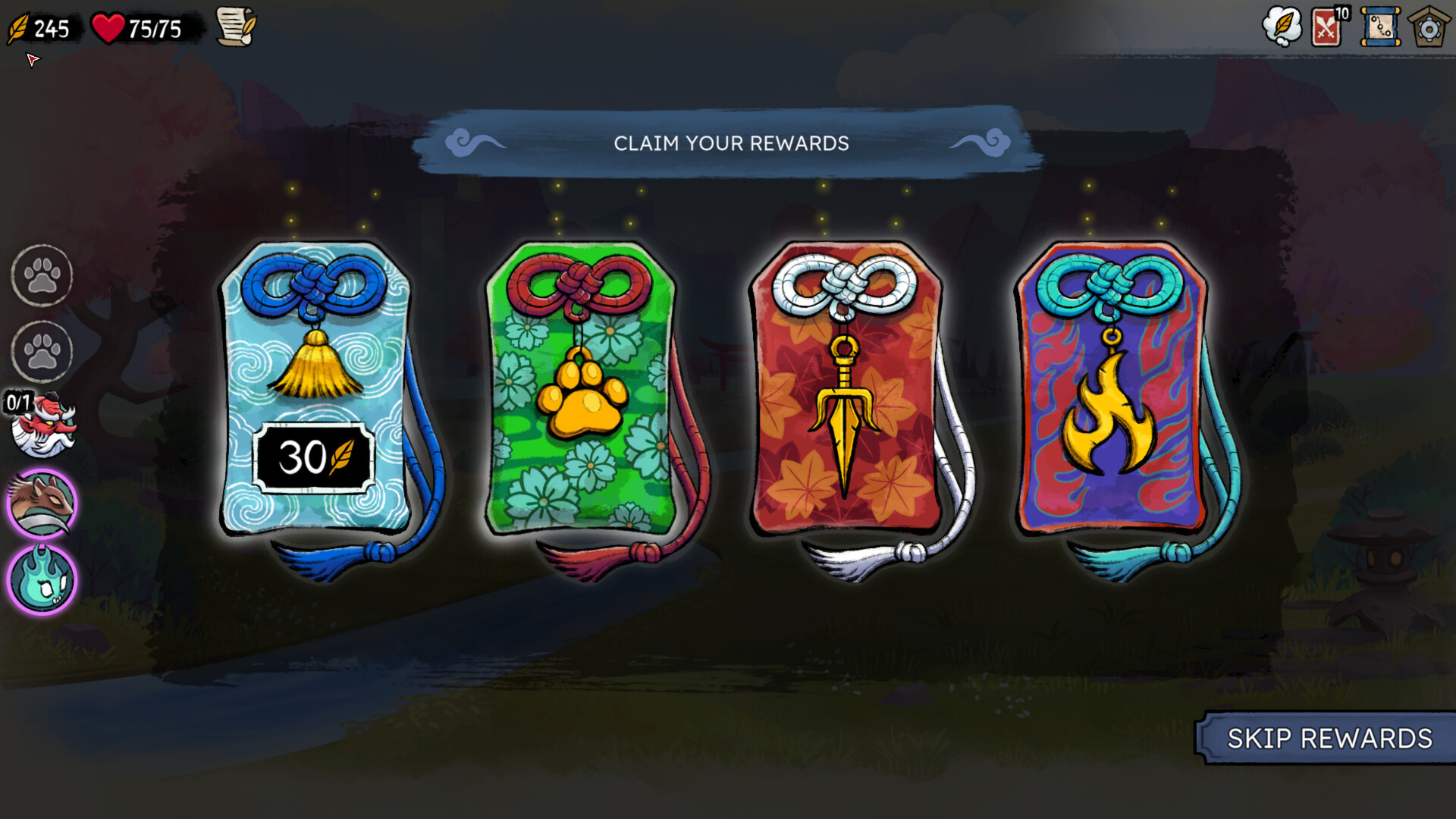
50+ of them, the relic equivalent. Extra energy, debuff clearing, direct damage, bonus cards. Some only found in events.
Spend story points mid-fight on cards, upgrades or food. The standout system here.
Modify encounters before you take them — ease off to progress, or raise the stakes for better rewards.
Route planning with more strategic texture than the genre norm, per players.
Presentation Punches Well Above the Price
The artwork is fantastic and the mythology isn’t decoration — enemy designs and abilities come out of the folklore, the biomes suit the setting, and the whole thing has a personality that most entries in this genre never develop. Animations are smooth, sound effects give good combat feedback, and the interface is clean enough to stay out of the way.
The soundtrack deserves specific mention. It leans on instruments including the sitar and stays catchy hours in, to the point that there’s a separate soundtrack DLC for anyone who wants it. Performance was excellent throughout, and the game is Steam Deck Verified — which, on a spec floor of a Core i3 and 1 GB of RAM, is not remotely surprising.
Where It’s Rough
The other complaints are smaller and consistent across players. The UX and animation feel clunky next to Slay the Spire — not broken, just less polished in the small moments. Card upgrades have to be previewed by right-clicking each one individually rather than seeing them all at once. And there are a handful of bugs, none game-breaking, but present enough that multiple reviewers mention them unprompted.
Hero progression also caps quickly — level 4 arrives sooner than you’d expect. And the broader request from players is simply more: more content, more card balance passes. That’s a good problem to have five weeks after launch, and Flash Cat have been patching, but it’s worth setting expectations.
Things to Know Going In

The Good, The Bad, & The Ugly
| The Good | The Bad | The Ugly |
|---|---|---|
| Three Heroes, Three Different GamesNot reskins — each has its own mechanical language, progression and multiple viable builds. Ten hours in we still couldn’t pick a favourite, which is the highest compliment you can pay a roguelike roster. | No Hero CodexForget how a hero’s mechanic works and your only recourse is resetting the tutorials. Baffling given the tooltips for keywords and card effects are excellent. One menu screen from being fixed. | Clunky Next to the BenchmarkThe UX and animation don’t feel as smooth as Slay the Spire’s, and in a genre where you’ll perform the same actions thousands of times, that friction accumulates. |
| Enemies That Change the PuzzleA boss that spawns a new enemy every time you hit for over 10 damage is the standout — suddenly your best attacks are the problem. Bosses here bring mechanics, not just health bars. | Card Upgrades Are FiddlyYou have to right-click each card individually to preview its upgrade rather than seeing them all at once. Small, but you’ll do it constantly. | Bugs, PluralNothing game-breaking, but enough that multiple players raise them unprompted. Five weeks post-launch that’s fair to flag, even if none of it stopped a run. |
| The In-Battle ShopSpend story points mid-fight on cards, upgrades or food, and reroll the stock if it’s useless. A genuine safety valve that rewards earlier discipline, and the idea we’d most want other deckbuilders to take. | Hero Progression Caps FastLevel 4 arrives sooner than you’d expect, which blunts one of the longer-term hooks. More headroom would help. | It Wants More ContentThe most common request from players is simply more — cards, balance passes, material. Good sign for the design, but the box is smaller than the systems deserve. |
| Mythology Done Properly, and CheaplyEvery yokai is lookupable in real folklore, the sitar-led soundtrack stays catchy for hours, and the whole thing is Steam Deck Verified on a 1 GB install. At $14.99 that’s exceptional value. | The Trickster’s Learning CurveHer lotus mechanic triggers on cards being played rather than by attachment — a genuinely confusing distinction that the missing codex makes worse than it needs to be. | Almost Nobody Is Playing ItConcurrent numbers are in single figures against an all-time peak of 67, and OpenCritic has no aggregate score. Irrelevant to a single-player game’s quality, but it does mean thin community resources. |
The Verdict
Every time a new deck-building roguelike appears, the reflex is to ask whether it’s another Slay the Spire clone. Talespinner isn’t. It takes the familiar foundation and builds a real identity on top of it — three heroes that play like three different games, enemy design that reshapes fights rather than inflating them, a mid-combat shop the genre should steal outright, and a mythology that runs through the art, the enemies and the music rather than sitting on top as a coat of paint.
The combat is the reason to stay. Turns ask you to think — plan resources, set up future hands, accept damage now for a payoff later — and when a run ended it was almost always because we’d misjudged something rather than because the deck betrayed us. For a strategy-focused deckbuilder, that’s precisely the right split.
What’s missing is polish rather than substance. A hero codex. Smoother animation. A batch upgrade preview. A bug pass. None of those touch the design; all of them would make the first five hours meaningfully less frustrating, and all are the kind of thing a small team ships in a patch.
The honest read: buy it. At $14.99 this is one of the easiest recommendations in a genre drowning in imitators, and it’s Steam Deck Verified on hardware requirements that belong to a previous decade. If you’ve grown tired of deckbuilders that feel like reruns, Talespinner is the one worth trying — and there’s a free demo, so you can confirm that before spending anything.
Just be ready to reset a tutorial the first time you forget how your hero works.
For more game reviews, check out our full reviews section.